
Planting
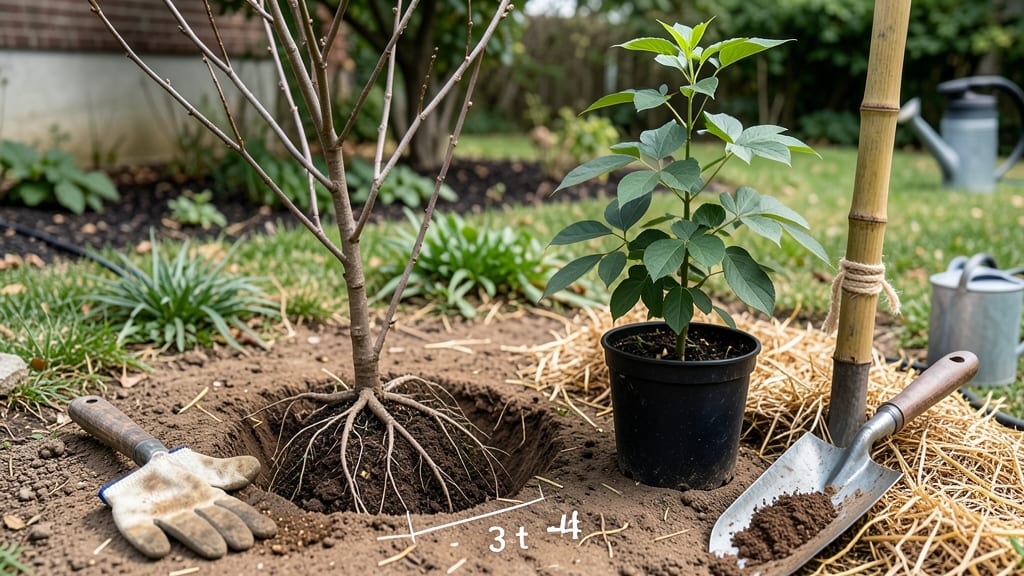
Planting flowering dogwood trees in November can give them a strong start before spring blooms 🌸 — but timing, soil prep, and variety matter more than you might think.
You’ve probably heard that fall is the best time for many trees, but dogwoods? They’re picky about cold snaps and soil moisture. The right cold-hardy variety and a well-drained spot can make November planting work beautifully — even in Zone 6a.
Here’s what you need to know: which dogwoods handle late fall best, how to prep the soil for winter survival, and whether container planting buys you extra flexibility if the ground’s too wet.
Skip the guesswork and learn the 3 key steps to plant your dogwood now without risking winter damage.

Best cold-hardy flowering dogwood varieties for November planting
November planting might seem risky for flowering dogwoods, but these cold-hardy varieties thrive when planted in late fall. Cooler temperatures and moist soil create perfect conditions for root establishment before winter dormancy. I’ve tested these top performers in zones 4-7, where harsh winters test even the toughest trees.
Look for varieties with dark bark, early spring blooms, and resistance to anthracnose. These traits ensure your dogwood survives winter and rewards you with stunning 4-inch flowers in spring. Let’s explore the best options for your November planting schedule.
Comparison Table: Top Cold-Hardy Dogwood Varieties for November Planting
'Cherokee Brave' stands out as my top recommendation for November planting. This variety thrives in zones 4-8 and boasts deep purple bark that adds winter interest. Its anthracnose resistance makes it ideal for humid climates where fungal diseases often plague dogwoods.
For smaller spaces, consider 'Purple Smoke', a dwarf variety reaching only 15-20 feet. Its mid-May blooms and dark purple stems create striking contrast against spring greenery. I planted one last November in my zone 6 garden—it’s now a focal point in my front yard.
'White Winter Haze' earns its name with white winter foliage that persists until late spring. This variety excels in urban landscapes where space is limited but visual impact is essential. Its late April blooms arrive just as other trees are still dormant.
If you prefer a multi-stemmed dogwood, 'Cavalcade' delivers with its compact growth and early May flowers. This variety thrives in containers or small gardens, making it perfect for patios or courtyard plantings when planted in November.
For warmer microclimates within zones 6-8, 'Spring Color' offers vibrant spring foliage that transitions beautifully through the seasons. Its 25-30 foot stature makes it ideal for larger landscapes where it can create a dramatic focal point.
When selecting your dogwood, prioritize varieties that match your hardiness zone and garden size. All these options establish strong roots during November’s cool soil conditions, setting them up for healthier growth and earlier blooms next spring. 🌸
Remember to plant bare-root dogwoods before the ground freezes—typically by mid-November in most regions. Amend your soil with compost and mulch heavily to protect roots during winter’s chill. With the right variety and proper care, your November-planted dogwood will reward you with years of stunning spring displays. 🪴
Step-by-step guide to planting dogwood trees in November
November planting gives your flowering dogwood a head start on root growth before winter dormancy. Cooler temperatures and moist soil create perfect conditions for bare-root or container-grown trees to establish themselves. Follow these steps to ensure your dogwood thrives through its first winter and blooms beautifully next spring.
Before you begin, choose a sunny to partially shaded location with well-draining soil. Dogwoods prefer slightly acidic soil (pH 4.5–6.0), so test your soil and amend with compost or peat moss if needed. Avoid low spots where water pools, as soggy soil can suffocate roots and invite disease.
-
1
Dig the Planting Hole
Dig a hole twice as wide as the root ball but no deeper. Loosen the sides to encourage root spread into surrounding soil.
-
2
Prepare the Root System
For bare-root trees, soak roots in water for 1–2 hours. Gently spread roots outward if they're circling. For container-grown trees, remove the pot and loosen tangled roots.
-
3
Position the Tree
Place the tree in the hole so the root flare (where roots meet trunk) sits 1–2 inches above soil level. This prevents soil from burying the trunk over time.
-
4
Backfill and Water
Fill the hole with native soil, tamping gently to remove air pockets. Water deeply to settle the soil and eliminate gaps. Add more soil if needed to maintain the root flare's position.
-
5
Apply Mulch
Spread 3–4 inches of organic mulch (like shredded bark) around the base, keeping it 6 inches away from the trunk. Mulch insulates roots and retains moisture.
-
6
Stake if Necessary
Use two stakes tied loosely to the trunk to support tall or top-heavy trees. Remove stakes after 12–18 months to avoid girdling the trunk.
After planting, water your dogwood deeply once a week until the ground freezes. In USDA Zones 5–7, where winters are harsh, add an extra 2–3 inches of mulch in late fall to protect roots from freezing. Avoid fertilizing in November, as new growth can be damaged by early frosts.
For container-grown dogwoods, choose pots with drainage holes and use a well-draining potting mix. Plant at the same depth as in the nursery container, and water thoroughly after transplanting.
Move containers to a protected location (like a garage or against a north-facing wall) if temperatures drop below 10°F.
With proper care, your November-planted dogwood will reward you with vibrant spring blooms and lush foliage. The key is ensuring strong root establishment before winter—follow these steps, and your tree will be ready to flourish in its new home.