Blooming
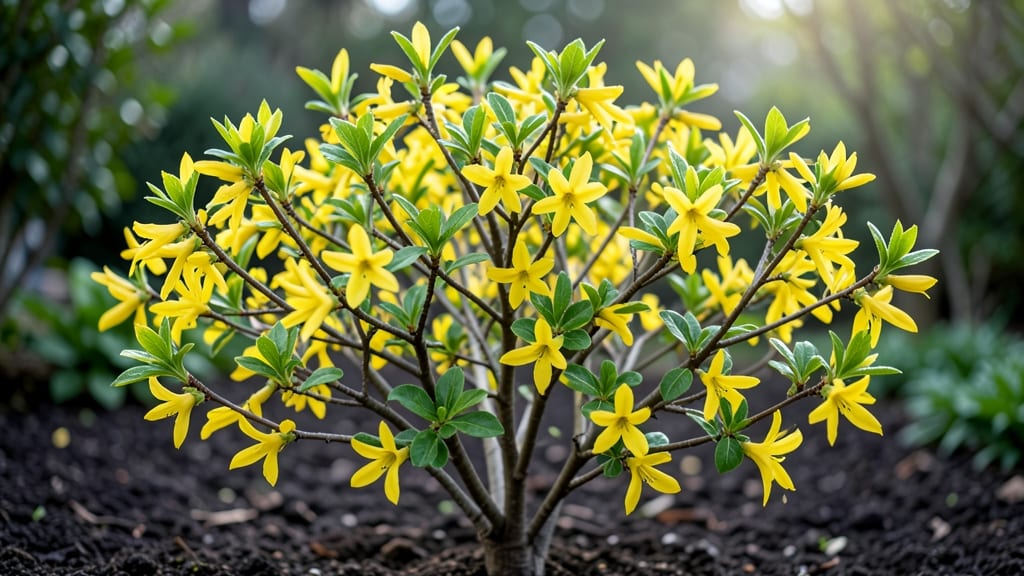
The forsythia flowering time in early spring 🌸 can vary dramatically by zone and variety, often shifting by weeks depending on where you garden.
If you’ve ever wondered why your forsythia blooms earlier—or later—than your neighbor’s, the answer lies in a mix of hardiness zones, plant varieties, and climate quirks. Timing these bright yellow bursts of spring accurately can mean the difference between admiring them for weeks or missing them entirely.
In USDA Zone 6a, where most gardeners live, forsythia typically flowers between late March and early April, but cooler zones like 4-5 may see blooms as late as May. Meanwhile, varieties like 'Lynwood Gold' often bloom 2 weeks earlier than standard types, while 'Northern Gold' holds off until April.
Below, I’ll break down the exact months by zone, share the top 5 fastest-blooming varieties, and reveal how pruning and sunlight can stretch those cheerful flowers into May. No more guessing—just reliable timing for your garden.
Forsythia flowering time by USDA hardiness zone: exact months
Forsythia is one of the first shrubs to announce spring with its bright yellow blooms, but the exact timing varies dramatically depending on your USDA hardiness zone.
In colder zones like 3-5, forsythia often blooms as early as late February, while in warmer zones like 8-9, you might not see flowers until March or even April. These differences are influenced by chilling hours and winter temperatures, which trigger the plant's dormancy cycle.
The earliest bloomers typically appear in Zone 3, where harsh winters force forsythia to push flowers quickly once temperatures rise. Meanwhile, Zone 9 gardeners often wait until mid-to-late March for their forsythia to burst into color.
Understanding these variations helps you plan pruning and enjoy the blooms at their peak without missing them.
Below is a detailed breakdown of forsythia flowering times by USDA zone, including early, mid, and late-season variations based on climate data and regional growing conditions.
In Zone 3, where winters are the coldest, forsyth
Top 5 forsythia varieties ranked by earliest and latest blooming times
Choosing the right forsythia variety can transform your spring garden from a missed opportunity to a stunning spectacle. Some cultivars burst into bloom as early as late February, while others linger into mid-April, giving you control over your seasonal color palette.
The key lies in matching your USDA zone with the variety's natural flowering rhythm.
For gardeners in zones 5-7, 'Northern Gold' often steals the show with its earliest blooms, while 'Spring Glory' rewards patient growers with late-season color.
Let's break down the top 5 forsythia varieties by their bloom timing and ideal growing conditions to help you plan your spring display with precision.
'Northern Gold' typically kicks off the forsythia season in late February to early March, making it perfect for gardeners eager to chase winter's last chill. This variety thrives in zones 3-7 and often produces brighter yellow blooms than other cultivars, with flowers that can reach 1.5 inches long.
Its compact growth habit (6-8 feet tall) also makes it ideal for smaller gardens.
If you prefer a mid-season performer, 'Lynwood Gold' delivers abundant blooms from mid-March to early April, extending your color palette by several weeks. This variety handles zones 5-9 beautifully and features golden-yellow flowers that create a stunning contrast against emerging spring foliage.
Its slightly larger size (8-10 feet) makes it a showstopper in landscape borders.
'Spring Glory' rounds out our latest-blooming trio with flowers that appear in mid-April, often when other forsythias have already faded. This variety excels in zones 5-8 and produces dense clusters of flowers that cover the plant's branches completely.
Its dwarf growth habit (4-6 feet) makes it perfect for foundation plantings or container gardens where space is limited.
For gardeners in warmer climates (zones 8-9), consider 'Dwarf Allee' which blooms slightly later than 'Northern Gold' but offers compact size (3-5 feet) and prolonged flowering.
Meanwhile, 'Spectabilis' provides extra-large flowers (up to 2 inches) that appear in late March, making it ideal for creating focal points in your landscape design.
To maximize your forsythia's bloom potential, plant varieties with staggered flowering times throughout your garden. This creates a sequential color display from late winter through early spring. Pair early bloomers like 'Northern Gold' with late-season varieties like 'Spring Glory' for a continuous show that keeps your garden vibrant longer.