
Size
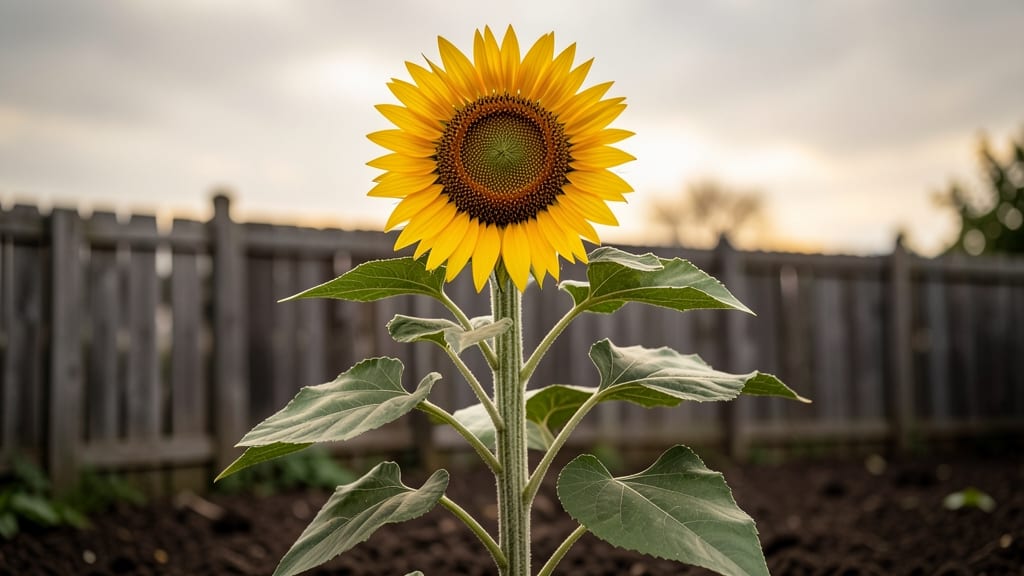
Mammoth sunflowers can grow up to 16 feet tall—taller than most gardeners can reach—making them a stunning but space-demanding addition to any yard.
Picture this: a towering 🌻 reaching for the sky, its massive blooms turning heads in the neighborhood. But here’s the catch—these giants don’t just shoot up overnight. Their growth depends on variety, soil, and sunlight, so spacing and planning are everything.
Whether you’re dreaming of a sunflower border or just curious about their size, knowing the height range helps you avoid overcrowding and ensures your garden layout works with nature—not against it.
Below, I’ll break down the exact heights by variety, growth stages, and the best ways to support their impressive stature without sacrificing strength or beauty.
Mammoth sunflower height ranges by popular varieties and their growth characteristics
When I first planted Mammoth sunflowers in my backyard, I was amazed by how quickly they shot up from tiny seedlings to towering giants. These sunflowers aren't just tall—they're architectural statements in your garden, with some varieties reaching heights that rival small trees.
Understanding the height ranges and growth characteristics of popular Mammoth sunflower varieties will help you choose the perfect one for your space and growing conditions.
The most dramatic differences in size come from variety selection. Some Mammoth sunflowers stay in the 8–10 foot range, while others can soar to 14–16 feet under ideal conditions.
Even within the same variety, factors like soil fertility, sunlight exposure, and watering consistency can influence how tall they grow. Let's explore the most iconic varieties and what to expect from their growth habits.
🌱 Note: All Mammoth sunflowers have thick, sturdy stems designed to support their massive blooms, but their stem thickness and bloom diameter vary. For example, 'Russian Giant' sunflowers often have stems as thick as your forearm, while 'Autumn Booster' varieties may have slightly thinner stems but equally impressive height.
The Russian Giant variety is often the tallest, with some plants reaching 16 feet in ideal conditions. These giants have thick stems that can support blooms up to 16 inches wide, making them perfect for creating a dramatic focal point in your garden.
If you're growing them for cut flowers, their height and sturdy stems make them excellent for large arrangements.
For gardeners with slightly more limited space, the Autumn Booster variety is a fantastic choice. While still reaching 8–12 feet, it matures slightly faster than other varieties, giving you blo
How mammoth sunflowers grow over time: stages, height milestones, and space requirements
Watching mammoth sunflowers grow is like witnessing a natural skyscraper rise from the earth. These giants don't reach their impressive heights overnight—they follow a predictable growth pattern that gardeners can track with excitement.
Understanding these stages helps you anticipate their space needs and adjust care routines for optimal growth. The journey from seed to towering bloom is both rewarding and educational.
From the moment you plant mammoth sunflower seeds, their growth trajectory begins. In the first 2-3 weeks, you'll see tiny sprouts pushing through the soil, reaching just 1-2 inches tall.
This early stage is all about establishing roots, so consistent moisture is critical. Many gardeners overlook this delicate phase, but proper watering here sets the foundation for future growth.
- 🌱 Week 3: 1 foot tall with 4-6 leaves - Rapid stem elongation begins
- 🌿 Week 6: 3-4 feet tall - Needs 18-inch spacing to prevent crowding
- 🌳 Week 8: 6 feet tall - Primary buds form; staking recommended for windy areas
- ☀️ Week 10: 8-10 feet - Full sun exposure critical for vertical growth
- 🌻 Week 12-14: 12-16 feet - Mature height achieved; 3-4 feet spacing essential
By week 6, your mammoth sunflowers will have shot up dramatically to 3-4 feet tall, showcasing their rapid growth potential. This is when you'll need to adjust your spacing strategy—these plants require at least 18 inches between neighbors to prevent competition.
I've seen many gardeners struggle with overcrowding at this stage, leading to weak stems and smaller blooms.
The most critical growth surge occurs between weeks 8-10, when your sunflowers can add 2-3 feet per week under ideal conditions. This is when proper soil nutrients and sunlight exposure become non-negotiable.
I recommend testing your soil's phosphorus levels before this stage, as phosphorus promotes strong root and stem development. A balanced 10-10-10 fertilizer applied at this point can make a noticeable difference in their vertical growth.
As your mammoth sunflowers approach their mature height of 10-16 feet, their space requirements become even more critical. The minimum spacing of 3-4 feet between plants isn't just about aesthetics—it's about preventing disease spread and allowing each plant to develop its full genetic potential.
In my experience, crowded sunflowers often produce smaller blooms and weaker stems that can't support their own weight.
One common misconception is that mammoth sunflowers grow at a steady rate throughout their lifecycle. In reality, their growth follows a sigmoid curve—slow at first, then explosive during mid-season, and tapering off as they mature.
Understanding this pattern helps you time your watering, fertilizing, and staking efforts more effectively. For example, deep watering every 3-5 days becomes crucial during that 6-10 foot growth spurt.
Remember that these height milestones are averages—your mammoth sunflowers might grow 20% taller with perfect growing conditions or 10% shorter in less-than-ideal circumstances. The key is to provide consistent care throughout their growth journey, from that first tiny sprout to their final towering presence in your garden.
With proper spacing and attention to their needs, you'll be rewarded with sunflowers that truly live up to their "mammoth" reputation. 🌻