
Flowers
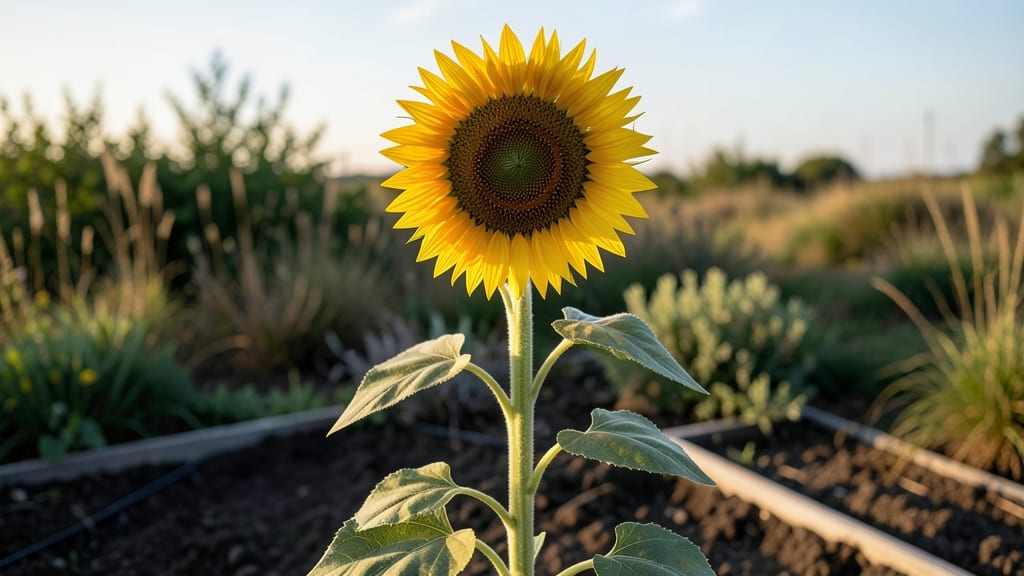
Growing Mammoth sunflowers from seed to their 10- to 14-foot glory takes about 100 to 120 days—longer than you might expect, but worth every moment.
If you’ve ever planted these giants only to wonder why they’re still just sprouts after weeks, you’re not alone. These sunflowers 🌻 aren’t just tall—they’re patient, and their growth timeline depends on more than just time.
Climate, soil quality, and even watering habits can shave weeks off (or add them on) to that three- to four-month window. In cooler zones like 6a, they’ll stretch toward their full height slower, while warmer springs can push them toward blooms in as little as 80 days.
Below, I’ll break down the exact stages—from germination to those showstopping blooms—plus the three key factors that speed up (or slow down) their growth so you can plan ahead for a garden that’s taller than your expectations.


Mammoth sunflower growth timeline: months from seed to full height
Growing Mammoth sunflowers from seed to their towering 10-14 foot heights is a rewarding journey that requires understanding each growth stage's exact timeline. These sunflowers don't grow overnight—they need time to develop strong roots, sturdy stems, and those iconic giant blooms.
Knowing what to expect month-by-month helps you plan your garden layout, watering schedule, and even when to stake your towering beauties before they topple over.
If you're starting with seeds, the journey begins in early spring after the last frost. Mammoth sunflowers typically take 80-120 days from seed to full maturity, but this timeline can shift based on your climate, soil quality, and care routine.
In warmer regions like USDA Zone 8 or higher, you might see faster growth, while cooler zones could extend the timeline by several weeks. Let's break down each stage so you know exactly what to expect.
| Stage | Timeframe | Height Milestone | Key Actions |
|---|---|---|---|
| Germination | 5-14 days | 0-2 inches | Keep soil moist, maintain 70-75°F |
| Seedling | 2-4 weeks | 6-12 inches | Thin seedlings, provide support stakes |
| Vegetative Growth | 4-8 weeks | 3-6 feet | Fertilize monthly, monitor for pests |
| Bud Formation | 8-10 weeks | 6-8 feet | Reduce watering, add mulch |
| Flowering | 10-12 weeks | 8-12 feet | Support stems, protect from wind |
| Maturity | 12-16 weeks | 10-14 feet | Harvest seeds, remove dead blooms |
During the germination stage (5-14 days), your seeds will sprout into tiny 2-inch seedlings if kept in warm, moist soil. This is the most delicate phase—too much water can cause rot, while too little can stall growth.
I always use a seedling heat mat set to 70-75°F to ensure consistent sprouting. Once they emerge, place them in a sunny spot or under grow lights for 12-16 hours daily to prevent leggy growth.
By week 3-4, your seedlings should reach 6-12 inches tall, signaling the seedling stage. This is when you'll need to thin them to 12-18 inches apart to give their roots room to spread.
I recommend using a transplanting tool to avoid damaging delicate stems. If you're growing in containers, choose pots that are at least 12 inches deep to accommodate their rapid vertical growth.
The vegetative growth phase (weeks 4-8) is where the magic happens—your sunflowers will shoot up 3-6 feet in height. This stage demands nutrient-rich soil with a pH of 6.0-7.0 and regular fertilization. I use a balanced 10-10-10 fertilizer every 4-6 weeks to encourage strong stem development.
If you notice yellowing leaves, it's a sign of nitrogen deficiency—add some compost or a quick-release fertilizer to revive them.
Around week 8-10, you'll spot bud formation as the flower heads begin to swell. Your plants will now be 6-8 feet tall, and their stems will need support. I stake mine with 3-foot bamboo stakes tied loosely to the stem to prevent snapping in wind or rain.
Reduce watering slightly during this phase to encourage blooming—overwatering can lead to weak stems and fewer flowers.
By week 10-12, your Mammoth sunflowers will burst into full bloom, reaching 8-12 feet in height. This is the most exciting stage, but
Factors that speed up or slow down Mammoth sunflower growth
Growing Mammoth sunflowers to their towering heights of 10-14 feet depends on more than just time—it’s about creating the perfect conditions. These sunflowers are sensitive to their environment, and even small changes can double or halve their growth speed.
Whether you're eager to see blooms by summer or just want to understand why your plants are lagging, these key factors will help you optimize their development.
First, let’s address the biggest myth: Mammoth sunflowers don’t grow overnight. While some varieties reach maturity in 80-100 days, these giants often take 100-120 days to fully bloom, especially in cooler climates.
But with the right conditions, you can shave weeks off that timeline—or risk months of frustration if conditions are off. Let’s break down what truly makes the difference.
- 1 Sunlight exposure: 6-8 hours of direct sun daily is non-negotiable. These sunflowers thrive in full sun—any less, and growth slows dramatically. Even partial shade can reduce height by 30%. Place them in the sunniest spot in your garden, like a south-facing location.
- 2 Soil quality: Rich, well-draining soil with a pH of 6.0-7.0 is ideal. Amend clay soil with compost or sand to prevent root rot. Poor soil? Expect stunted growth and weak stems. Test your soil and add organic matter like compost or aged manure before planting.
- 3 Watering schedule: Deep watering every 3-5 days keeps roots strong. Overwatering causes root rot, while underwatering stunts growth. Water at the base of the plant in the morning to reduce evaporation. During summer heat, increase frequency to daily.
- 4 Temperature ranges: Ideal growth occurs between 70-85°F (21-29°C). Below 50°F (10°C), germination slows or stops. Heatwaves above 90°F (32°C) can stress plants, causing bolting or wilting. Use shade cloth in extreme heat to protect young seedlings.
- 5 Fertilizer use: Apply a balanced 10-10-10 fertilizer every 4-6 weeks to encourage rapid growth. Over-fertilizing leads to leafy growth at the expense of flowers. Stop fertilizing 6 weeks before harvest to avoid bitter-tasting seeds.
Now that you know the critical factors, let’s talk about how to accelerate growth. Start by ensuring your Mammoth sunflowers get full sun exposure from day one. If your garden lacks sunlight, consider using grow lights for seedlings until they’re transplanted.
For soil, mix in compost or aged manure before planting to give roots a nutrient boost right away.
Consistent watering is another game-changer. Instead of light, frequent watering, give your sunflowers a deep soak every 3-5 days. This encourages roots to grow deeper, making the plant more drought-resistant and sturdy.
During hot summer months, mulch around the base to retain moisture and keep roots cool. A 3-inch layer of mulch can reduce watering needs by up to 30%.
Finally, pay attention to temperature fluctuations. If you’re in a cooler climate, start seeds indoors 4-6 weeks before the last frost to give them a head start. Use row covers or black plastic mulch to warm the soil and speed up germination.
In hot climates, provide afternoon shade for young plants to prevent stress. With these adjustments, you can cut weeks off the growth timeline and enjoy those golden giants sooner.
Remember, every garden is unique, so experiment with these tips to find what works best for your Mammoth sunflowers. With the right care, you’ll be watching them shoot up like skyscrapers in no time! 🌻