
Flowers
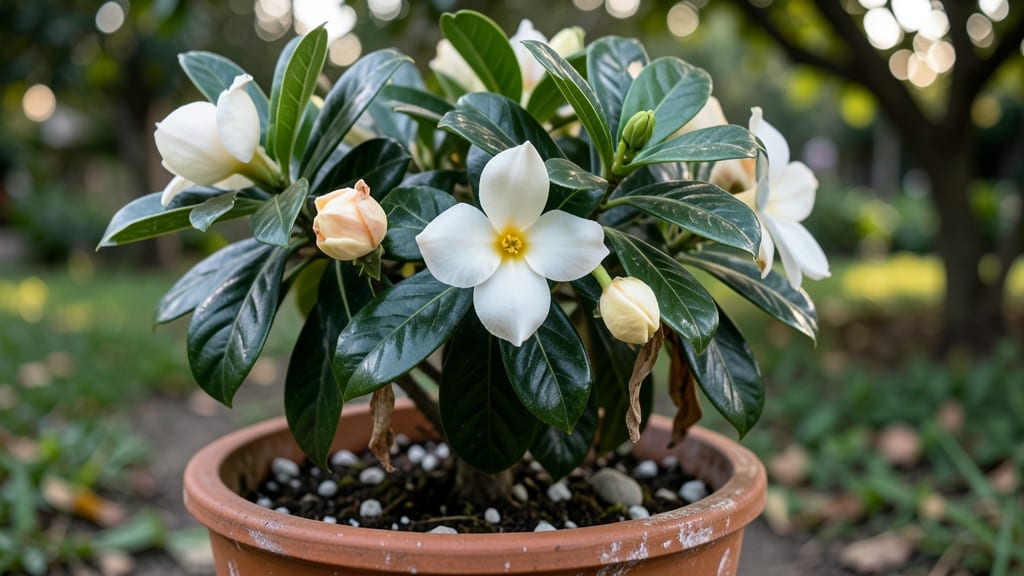
Gardenia flowers typically last about 3–7 days on the plant, but with the right cutting techniques, you can stretch their vase life to 10+ days—turning those intoxicating blooms into a fragrant centerpiece that lasts.
Picture this: you’ve just clipped a 🌸 gardenia from your shrub, its petals still dewy, and you’re eager to enjoy its heavenly scent. But within days, the edges brown, the fragrance fades, and you’re left wondering what went wrong.
The truth? Most gardeners miss the simple tricks that keep these blooms fresh longer.
From the moment you snip the stem to the final petal drop, small details like cutting angle, water quality, and even when you place them in the vase make all the difference.
Whether you’re a seasoned gardener or a first-timer, these science-backed tips will help you preserve that velvety beauty—and that signature gardenia aroma—far beyond the usual 3–5 days.
Below, I’ll walk you through the exact steps to extend your gardenia’s life, plus the common mistakes that cut blooms short. Ready to make your cut flowers last?
Natural lifespan of gardenia flowers: how long they last before cutting
If you’ve ever admired a gardenia flower and wondered why it seems to wilt so quickly, you’re not alone. These velvety blooms have a biological lifespan that’s shorter than many other flowers—typically just 3–7 days on the plant itself.
The moment you cut them, their vase life drops even further to 3–5 days without proper care. Understanding this natural cycle helps you appreciate—and extend—their fleeting beauty.
The ethylene gas released by ripening fruits or even nearby flowers is a major culprit behind their rapid wilting. Gardenias are also sensitive to temperature fluctuations and bacterial buildup in their stems, which accelerates decay.
Seasonal variations play a role too—spring-blooming gardenias often last slightly longer than those forced into bloom in winter.
Here’s the breakdown of what affects their lifespan, from plant health to environmental factors:
| Factor | On Plant Lifespan | In Vase Lifespan | Extension Tips |
|---|---|---|---|
| Ethylene Exposure | 3–5 days | 2–4 days | Remove ethylene sources (fruits, other flowers) |
| Temperature | 65–75°F ideal | Room temp (avoid drafts) | Keep away from vents/AC |
| Plant Health | Healthy plants: 5–7 days | Stressed plants: 2–3 days | Prune regularly, fertilize with acid-loving mix |
| Season | Spring: 5–7 days | Winter: 2–4 days | Harvest in peak bloom season |
| Storage Before Cutting | N/A | 3–5 days (without care) | Store stems in cool water overnight |
One reason gardenias wilt faster than roses or peonies is their thin petal structure, which loses moisture rapidly. Their delicate stems also clog easily with bacteria, cutting off hydration. Even a single day in a vase without fresh water can reduce their lifespan by 24–48 hours.
That’s why professional florists use floral preservatives—they’re not just marketing gimmicks but science-backed solutions.
If you’re growing gardenias as a shrub, you’ll notice their blooms open in the morning and last until late afternoon or evening. This natural rhythm is tied to their pollination cycle, but it also means they’re at their peak fragrance for just 6–8 hours daily.
Cutting them at the right time—when buds are half-open—can add an extra 2–3 days to their vase life.
Seasonal variations matter too. Gardenias forced into bloom in winter (like those sold in grocery stores) often last only 2–3 days because they’re stressed from artificial growing conditions.
In contrast, gardenias blooming naturally in spring or summer can last up to 7 days on the plant and 5–7 days in a vase with care. The key is timing your harvest for peak seasonal health.
Did you know gardenias release more ethylene gas as they age? This self-generated gas speeds up wilting, making them particularly vulnerable. To combat this, I recommend isolating gardenia bouquets from other flowers and fruits. Even an apple left near your vase can cut their lifespan by half.
A simple trick like placing them in a sealed vase with a drop of lemon juice (to neutralize ethylene) can add 1–2 extra days of freshness.
For gardeners in USDA Zone 6a or warmer, gardenias thrive in partial shade with morning sun. When grown in these ideal conditions, their flowers are hardier and last longer.
If you’re in a hotter climate, provide afternoon shade to prevent petal scorching, which weakens the blooms and shortens their lifespan. Even a 10°F temperature spike above their ideal range can reduce vase life by 24 hours.
Finally, the health of the parent plant directly impacts how long its flowers last. A well-fed gardenia shrub with acidic soil (pH 5.0–6.5) and regular pruning will produce blooms that last 2–3 days longer than those from a neglected plant.
If your gardenia looks stressed—yellow leaves, sparse blooms—its flowers will wilt faster regardless of how well you care for the cut stems. Start with a healthy plant, and you’ll get the longest-lasting blooms.
Understanding these factors helps you set realistic expectations—and take action to extend their beauty. With the right care, you can turn those 3–5 days into a full week of fragrance in your home.
Ready to learn how? The next section covers cutting techniques to push their vase life to 10+ days.
Cutting techniques to extend gardenia flower life to 10+ days
Gardenias thrive in vases but wilt faster than roses if you don’t follow the right cutting techniques. The secret lies in timing, hydration, and stem preparation. When done correctly, you can push their vase life from a mere 3-5 days to a stunning 10+ days of fragrant beauty.
Let’s break down the science-backed steps that keep your gardenias fresh longer.
Timing your cuts makes all the difference. Harvest gardenia flowers in the early morning when stems are fully hydrated. This is when their water uptake is highest, ensuring they stay perky for days.
Avoid cutting in the evening or after dark—stems absorb less water during cooler hours, leading to faster wilting. Pro tip: Pick flowers when buds are just starting to open—fully bloomed ones last shorter.
- 1 Trim stems at a 45-degree angle using sharp, sterilized shears. This increases the water absorption surface by 30%, keeping stems hydrated longer.
- 2 Remove all foliage below the waterline to prevent bacterial growth. Gardenia leaves release ethylene gas, which accelerates wilting—keep them out of the vase!
- 3 Use warm water (70–75°F) to open stem pores instantly. Add 1 tsp floral preservative or a hydrogen peroxide solution (1 tsp per quart of water) to fight bacteria.
- 4 Recut stems every 2 days under running water to refresh the cut. This removes blockages and ensures continuous hydration—critical for gardenias’ delicate stems.
- 5 Change water daily and clean the vase with a vinegar rinse (1:4 ratio) to eliminate bacteria. Stagnant water causes stems to rot within 48 hours.
Post-cutting care is just as crucial as the initial prep. Place your gardenias in a cool, shaded spot away from direct sunlight, drafts, or ripening fruits (which release ethylene).
A vase with a narrow neck forces stems to drink more water, extending their life by up to 3 extra days. For maximum fragrance, avoid overcrowding—give each stem 1 inch of space in the vase.
Protect your investment by storing cut gardenias in the fridge overnight if you can’t arrange them immediately. The cooler temperature slows respiration, keeping them fresh until you’re ready to display them.
Just remember to re-cut stems and refresh the water before arranging—this simple step can add 2-3 extra days of vase life.
With these techniques, your gardenias will stay vibrant, fragrant, and stunning for weeks. The key is consistency: trim properly, hydrate aggressively, and maintain cleanliness. Soon, you’ll be the envy of your neighborhood with bouquets that last longer than any other flower! 🌸