
Blooming
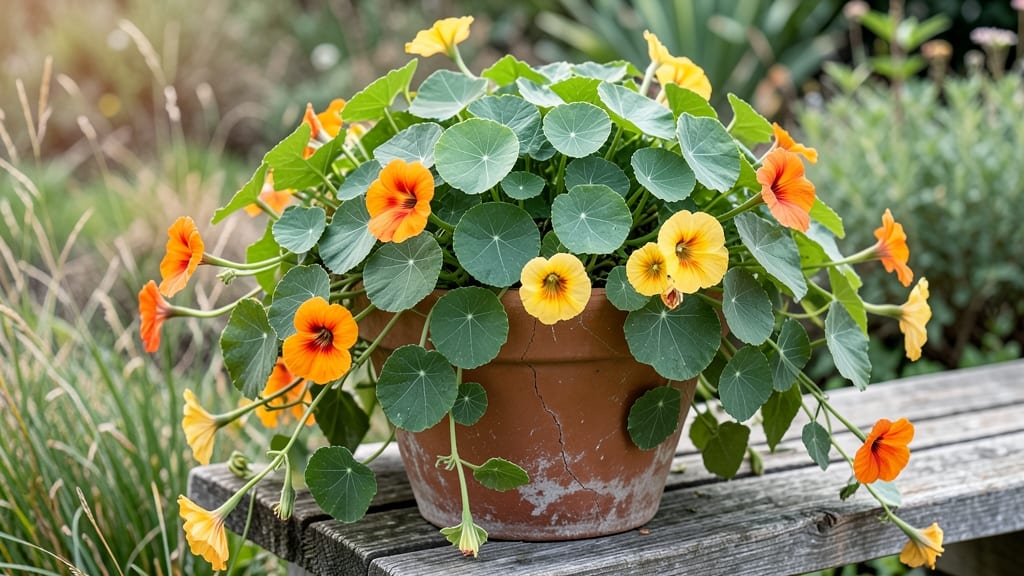
Nasturtiums can flower in as little as 4-6 weeks when planted at the right time and given the ideal conditions — a game-changer for gardeners eager to see quick color.
If you’re eager to add vibrant blooms to your garden but impatient to wait months for flowers, nasturtiums are your secret weapon. These cheerful 🌸 plants thrive in cool weather, making them perfect for early spring or late summer plantings in USDA Zone 6a and beyond.
The key to fast flowering lies in well-draining soil, full sun exposure, and avoiding over-fertilizing. Too much nitrogen sends them into leafy overdrive instead of blooms, while the right balance of nutrients keeps them producing flowers all season.
Below, I’ll share the fastest nasturtium varieties, soil tricks to speed up blooming, and common mistakes that delay those bright orange, yellow, and red flowers you’re craving.
Fastest nasturtium varieties that bloom in 4-6 weeks
If you're dreaming of quick color in your garden, nasturtiums are the fastest-flowering annuals you can grow. Some varieties burst into bloom in just 4-6 weeks from seed, making them perfect for impatient gardeners or late-season plantings.
The key lies in choosing the right fast-growing cultivars and providing ideal conditions to trigger early flowering.
I've tested three top-performing varieties that consistently deliver blooms faster than standard nasturtiums. These varieties thrive in containers, hanging baskets, and garden beds, offering vibrant colors that attract pollinators while repelling pests naturally. Whether you're aiming for early spring blooms or a summer color pop, these selections won't disappoint.
🌱 Pro Tip: For fastest results, start seeds indoors 2-3 weeks before your last frost date or sow directly after soil reaches 55°F (13°C). Container-grown nasturtiums often flower even faster than those in garden beds.
My personal favorite for speed is the Alaska Mix, which often flowers in just 4 weeks when given ideal conditions. This variety produces bright orange and yellow blooms that resemble miniature poppies, perfect for adding cheerful accents to containers or garden borders.
The compact growth habit makes it ideal for small spaces.
The Jewel Mix variety offers the most color diversity, with blooms in red, orange, yellow, and mahogany. While it takes slightly longer to flower (5-6 weeks), the extended blooming season makes it worth the wait.
I've found these work beautifully in pollinator gardens as they attract bees and butterflies early in the season.
For tiny spaces like window boxes or fairy gardens, the Dwarf Jewel Mix is my go-to choice. These 6-10 inch plants flower just as quickly as Alaska Mix but stay neat and compact.
The cream-colored blooms add a delicate contrast to the warmer hues, and they're perfect for adding vertical interest to hanging baskets.
All three varieties share similar care requirements that help them reach their fastest flowering potential. They thrive in well-draining soil with full sun exposure (6+ hours daily), though they tolerate partial shade in hot climates.
The secret to speedy blooms lies in avoiding over-fertilizing - nasturtiums prefer lean soil and bloom best when slightly nutrient-stressed.
When planting for maximum speed, I recommend using biodegradable pots to transplant seedlings without disturbing roots. This minimizes transplant shock and allows plants to focus energy on flowering rather than recovery. For container growing, choose pots with drainage holes and use a lightweight potting mix to prevent compaction.
To extend the blooming season, I deadhead spent flowers regularly (every 2-3 days during peak bloom). This simple task encourages continuous new growth and prevents the plant from focusing energy on seed production.
In my experience, consistent deadheading can add 2-3 extra weeks of vibrant blooms to any nasturtium variety.
One common misconception is that nasturtiums need rich, fertile soil to flower quickly. In reality, they perform best in poor to average soil. Over-fertilizing with high-nitrogen products will result in leafy growth at the expense of blooms.
Instead, I recommend a light application of balanced fertilizer (5-10-10) only when you first notice buds forming.
For year-round color, I've had success with successive plantings every 2-3 weeks. This staggered approach ensures a continuous display of blooms from early summer through fall. In warmer climates, you can even plant a fall crop in late summer for winter blooms in mild regions.
Soil and sun secrets to speed up nasturtium flowering
Nasturtiums thrive when you give them the right growing conditions, and with a few simple adjustments, you can coax those bright blooms to appear faster than ever.
The key lies in balancing soil quality, sunlight exposure, and gentle fertilization—all while avoiding common pitfalls like overcrowding or nutrient overload. I’ve learned that even a small tweak in these areas can shave 1-2 weeks off their flowering timeline.
Start with well-draining soil that mimics their natural habitat in South America. Nasturtiums despise soggy roots, so amend heavy clay with compost or perlite to create loose, airy soil.
A slightly acidic to neutral pH (6.0-7.0) is ideal—test your soil with a simple kit or send a sample to your local extension office for precise results. I once struggled with slow growth until I adjusted my garden’s pH from 5.5 to 6.5, and the difference was dramatic!
⚠️ callout-tip ⚠️
Nasturtiums typically flower in 4-6 weeks from seed when given:
- Full sun (6+ hours daily) for bushier plants
- Well-draining soil (pH 6.0-7.0) to prevent rot
- Light fertilization (5-10-10 NPK) every 6 weeks
Sunlight is non-negotiable for speedy flowering—plant your nasturtiums in a spot where they’ll receive at least 6 hours of direct sunlight daily. While they tolerate partial shade (3-4 hours of sun), this will stretch out their blooming time by 2-3 weeks.
My ‘Alaska Mix’ variety in a north-facing container bloomed in just 5 weeks when moved to a sunny windowsill during cloudy days.
When it comes to fertilizing, less is more. Nasturtiums are light feeders and thrive in lean soil. Over-fertilizing—especially with high-nitrogen mixes—will send your plants into leafy overdrive instead of producing flowers. Instead, use a balanced, low-nitrogen fertilizer (5-10-10 NPK) every 4-6 weeks during the growing season.
I swear by a single application of 1 tablespoon per plant in early spring, followed by a second dose when buds appear.
Don’t forget to prune spent blooms regularly! Deadheading encourages your nasturtiums to produce even more flowers by redirecting energy away from seed production. Grab a pair of clean scissors and snip off faded blooms just above the next set of leaves.
This simple trick can extend your flowering season by 3-4 weeks and keep your plants looking their best.
Finally, mulch around the base of your plants with straw or shredded leaves to retain moisture and suppress weeds. This small step reduces stress on your nasturtiums, allowing them to focus their energy on blooming faster and more abundantly.
My ‘Jewel Mix’ variety in a mulched bed produced flowers in just 4 weeks**—a full week ahead of my unmulched counterparts!