
Size
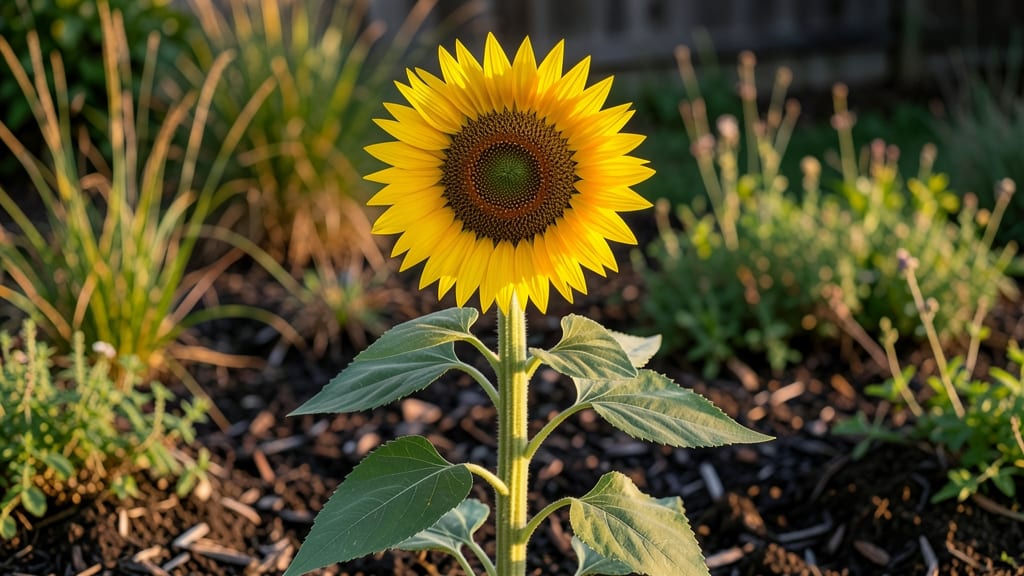
Understanding the sunflower grow time from seed to a towering 🌻 12-foot giant takes between 50 and 120 days, depending on the variety and growing conditions.
Picture this: you tuck a tiny seed into warm soil in early May, and by late July, you’re staring up at a sunflower taller than you, its golden face tracking the sun like a natural compass.
But here’s the catch—some varieties bloom in just 6 weeks, while others take nearly four months to reach their full glory.
Timing isn’t just about patience; it’s about understanding how soil warmth, sunlight, and even your local climate can speed up or slow down the process. A dwarf variety might be ready for harvest in 70 days, while a mammoth sunflower could need twice that time.
In this guide, I’ll walk you through every stage—from the first sprout poking through the soil to the moment the seeds are ready to harvest—so you can set realistic expectations and troubleshoot delays before they happen.


Sunflower grow time: full timeline from seed to bloom by month
Sunflowers are nature’s fastest-growing giants, transforming from tiny seeds into towering sun-loving plants in just a few months. Their growth timeline varies based on variety, climate, and care—but understanding these stages helps you plan for harvest-ready blooms or dwarf varieties perfect for containers.
Whether you’re growing Mammoth sunflowers (12+ feet tall) or Teddy Bear varieties (3-4 feet), knowing what to expect each month keeps your garden thriving.
The average sunflower grow time from seed to bloom ranges from 50 to 120 days, depending on the type. Dwarf varieties like Sunspot may bloom in as little as 60 days, while giant varieties like Russian Giant can take 100+ days.
Below, we break down each growth stage by month, including key milestones and what you should be doing to support your plants.
| Stage | Days to Reach | Key Milestones | Care Tips |
|---|---|---|---|
| Germination | 5–14 days | First sprouts emerge; seed leaves appear | Keep soil moist (not soggy); maintain 60–70°F soil temp |
| Seedling | 14–30 days | True leaf development (4–6 leaves); stem strengthens | Thin seedlings to 12–18 inches apart; fertilize lightly with 10-10-10 |
| Vegetative | 30–60 days | Rapid stem elongation (3–6 ft for standard types); bud formation begins | Stake tall varieties; water deeply (1 inch/week); avoid over-fertilizing |
| Flowering | 60–90 days | Bud opens fully; petals unfurl; pollination occurs | Reduce watering slightly; protect from pests (birds, squirrels) |
| Seed Maturity | 90–120 days | Petals droop and brown; seeds turn dark and plump | Harvest seeds when back of head turns yellow; dry seeds for storage |
In USDA Zone 6a (like much of the Midwest), sunflowers sown in late April to early May typically bloom by mid-to-late July, with seeds ready by August or September.
However, if you plant in warmer zones (Zones 7–10), you can start seeds as early as March and expect blooms by June. Cooler climates may delay germination, so consider using a seedling heat mat or starting indoors 2–3 weeks before the last frost.
One of the biggest factors affecting sunflower grow time is the variety you choose. Dwarf varieties like 'Teddy Bear' or 'Sunspot' mature faster (60–75 days) and are ideal for containers or small gardens.
Meanwhile, giant varieties like 'Mammoth' or 'Russian Giant' take 100+ days to reach their full height but produce seeds in higher quantities. If you’re short on time, opt for early-blooming types like 'Autumn Beauty' or 'ProCut' (cut-flower hybrids that bloom in 70–80 days).
During the first 30 days, focus on consistent moisture—sunflower seeds need soil temperatures above 60°F to germinate. If your soil is cooler, try black plastic mulch or a cold frame to speed up sprouting.
Once seedlings emerge, thin them to 12–18 inches apart to reduce competition. Overcrowding slows growth and increases disease risk, so don’t skip this step!
Between 30 and 60 days, your sunflowers enter their rapid growth phase, where stems can elongate 2–3 inches per day under ideal conditions.
This is when you’ll notice bud formation—a sure sign your plants are ready for staking or caging (especially for varieties over 6 feet tall). Wind or rain can cause stems to bend, so provide support early. Also, reduce fertilization to prevent leafy growth at the expense of flowers.
When buds begin to swell (around day 50–60), your sunflowers are just weeks away from their showstopping blooms. This is also the time to monitor for pests
Critical factors that speed up or slow down sunflower growth time
Sunflowers are fast growers, but their growth time can vary dramatically based on environmental conditions. If you're impatient like me, you'll want to optimize every factor to see those golden blooms sooner.
The biggest game-changers are soil temperature, sunlight exposure, and watering consistency—each playing a starring role in your sunflower's timeline.
For example, Mammoth sunflowers typically take 80-120 days to mature, while Teddy Bear varieties bloom in just 50-70 days. Even within the same variety, a cool spring can stretch growth by 2-3 weeks compared to warm planting conditions.
Understanding these variables lets you set realistic expectations and troubleshoot delays before they happen.
Factors That Speed Up Sunflower Growth
Germination speeds up dramatically when soil temps reach 60°F+. Use black plastic mulch to warm soil faster in cool climates.
Sunflowers thrive with 8+ hours of direct sun. Even partial shade can delay flowering by 10-15 days.
Deep watering 2-3x weekly prevents stress. Drought conditions can halt growth entirely for 7-10 days.
Treasure seeds or organic-certified varieties sprout 2-3 days faster than generic seeds.
Neutral soil pH ensures nutrient uptake. Test your soil—acidic soil (pH <5.5) can stunt growth by 20%.
Planting after last frost (when soil is 55°F+) cuts growth time by 14-21 days vs. late spring.
Factors That Slow Down Sunflower Growth
Germination can take 2-3 weeks in cold soil. Use row covers to warm beds faster.
Drought stress causes growth stunting. Overwatering (soggy soil) leads to root rot in 5-7 days.
Waterlogged soil slows growth by 30%. Amend clay soil with compost or sand.
Partial shade delays flowering by 10-15 days. Choose sunflower varieties like Sunspot for low-light tolerance.
Old or damaged seeds may take 5-7 extra days to sprout. Store seeds in a cool, dry place.
Planting after June risks immature blooms before frost. Stick to April-May in most climates.
One of my biggest lessons came when I planted Mammoth sunflowers in partial shade last summer—they took 18 days longer to bloom than my full-sun batch. The difference? Just 2 hours less sunlight daily.
Even small adjustments make a surprising impact on your sunflower grow time. For fastest results, prioritize warm soil, full sun, and consistent moisture.
If you're growing dwarf varieties like Teddy Bear, you'll see blooms in as little as 50 days under ideal conditions. But for giant varieties like Russian Giant, be prepared for 120+ days to maturity.
The key is matching your variety to your climate—short-season varieties thrive in cooler regions, while long-season giants need warm summers.
Pro tip: Monitor your soil temperature with a soil thermometer. Aim for 60°F+ for fastest germination. If your soil runs cooler, try planting in black plastic-lined beds to speed up warming. Every degree counts when you're racing against the clock to see those sunflower blooms before frost.
Remember, even the best-laid plans can hit snags. If your sunflowers seem sluggish, check for pests, nutrient deficiencies, or disease signs early. Catching issues when plants are young gives them the best chance to recover and meet your growth time expectations. 🌻