
Planting
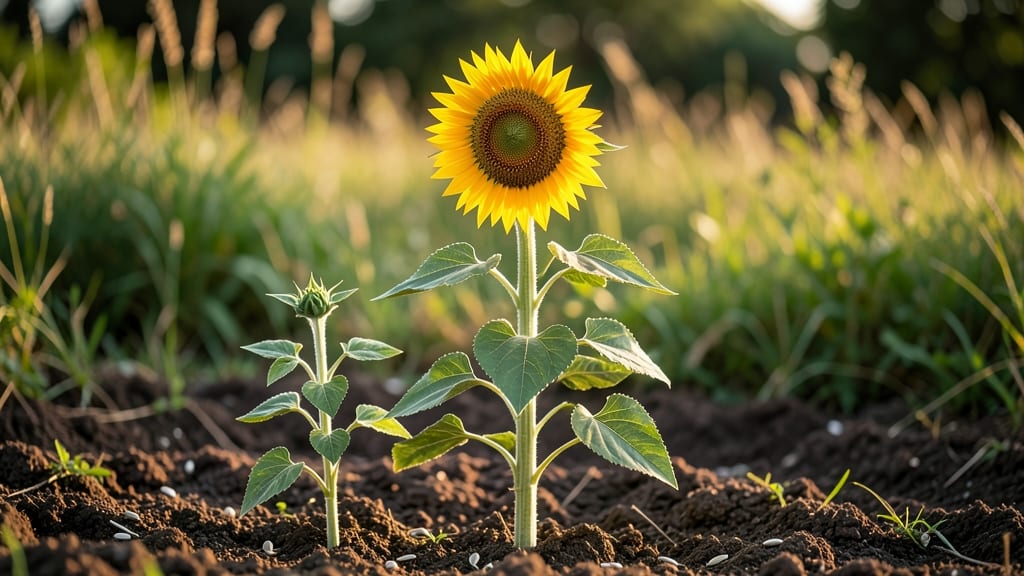
Growing sunflowers from tiny seeds to towering 🌻 blooms takes about 80-120 days—that’s the sunflower growth time—depending on variety and care, but timing it right is the secret to those iconic golden faces greeting you all summer.
Picture this: you plant your seeds in early May, and by late July, you’re staring up at a sunflower taller than you, its petals basking in the afternoon sun. That three-month transformation isn’t magic—it’s science, and knowing the stages helps you avoid common pitfalls like leggy stems or delayed blooms.
From the first green sprout peeking through the soil to the day the flower head nods its thanks, every phase matters. Too little sunlight? Your sunflower might stretch like a sleepy cat.
Too much water? Roots could rot before they reach their potential. We’ll break down the exact timeline so you can give your 🌻 sunflowers the best shot at thriving.
Ready to turn your garden into a sunflower spectacle? I’ll walk you through the growth stages, the fastest varieties, and the little tweaks that shave weeks off your wait time—so you can enjoy those cheerful giants sooner than you think.


Sunflower growth stages: timeline from seed to full bloom
Watching a sunflower transform from a tiny seed into a towering, golden bloom is one of gardening's most rewarding experiences. Understanding each sunflower growth stage helps you predict milestones and troubleshoot delays.
From the first sprouts to mature seeds, the journey typically takes 80-120 days, though varieties and conditions can shift this timeline by weeks.
Your sunflower's growth unfolds in four distinct phases: germination, vegetative growth, flowering, and maturity. Each phase has unique visual cues and care needs.
For example, you'll notice the first true leaves appear within 7-14 days of planting, signaling the end of germination and the start of rapid stem elongation. Let's break down what to expect at each stage.
During the germination stage, your sunflower seed needs consistent moisture and warmth to break dormancy. Plant seeds 1 inch deep in well-draining soil with a temperature between 70-75°F.
You'll see the first sprouts emerge within 7-14 days, marked by two small, round cotyledons. This is your signal to thin seedlings to 6 inches apart if planting densely.
Once true leaves appear (the second set of leaves), your sunflower enters the vegetative growth phase. This is when the real magic happens—stems can grow 1-2 inches per day under ideal conditions. You'll notice rapid elongation and the development of the main stem.
This phase typically lasts 30-50 days, but dwarf varieties may mature faster. Pay attention to leaf color: dark green indicates healthy growth, while yellowing suggests nutrient deficiencies.
The bud formation stage begins when you spot a small bump at the top of the stem. This bud will eventually become your sunflower's iconic bloom. During this 10-20 day period, the plant focuses energy on developing the flower head.
You might notice the bud curling slightly—this is normal as petals prepare to unfurl. Reduce watering slightly during this phase to prevent bud rot, but maintain consistent moisture in the soil.
When your sunflower finally blooms, it's a spectacular sight. The flowering stage lasts 7-14 days, during which the petals fully open and face east or south to maximize sunlight absorption. This is also when you can expect pollinators like bees to visit, though sunflowers are self-pollinating.
Watch for the petals to dry out slightly at the edges—this signals the plant is transitioning to the maturity phase and preparing to produce seeds.
In the final maturity stage, your sunflower's life cycle completes as the petals dry and fall away, leaving the seed head ready for harvest. This stage takes 20-30 days, during which the back of the flower turns brown and seeds plump up.
For seed saving, allow the heads to dry completely on the stem. If you're harvesting for cut flowers, cut stems when 25-50% of petals have dropped for maximum vase life.
Pro tip: Track your sunflower's progress using a simple growth journal. Note the date of germination, first true leaves, bud formation, and bloom. This helps you predict future plantings and identify any delays.
For example, if your sunflower takes longer than 120 days to bloom, it might need more sunlight or nutrients. Adjust care accordingly for next season.
Understanding these stages also helps you plan companion plants. For instance, sunflowers can repel pests like squirrels when planted near vegetables. Time your succession plantings so that as one sunflower matures, another is just beginning to sprout, extending your garden's beauty and productivity throughout the season.
🌻
Factors that speed up or slow down sunflower growth time
Sunflowers thrive on consistency, and their growth time can vary dramatically based on just a few key factors. While most varieties bloom in 80-120 days, some gardeners achieve full sunflower blooms in as little as 60 days by optimizing these variables.
Understanding how sunlight exposure, soil quality, and watering habits impact growth helps you take control of your sunflower's timeline.
One of the biggest mistakes I see is assuming all sunflowers grow at the same pace. In reality, temperature fluctuations and nutrient availability can either accelerate or stall progress.
For example, planting in warmer climates (like USDA Zone 8+) can shave off 10-20 days from the typical growth timeline, while cooler regions may extend it. Let's break down how to optimize each factor for faster, healthier sunflowers.
Sunflower Growth Accelerators vs. Delayers
✅ Growth Accelerators
- Full sun (6-8+ hrs/day): Speeds growth by 20-30%
- Warm soil (70°F+): Germinates seeds 3-5 days faster
- Balanced fertilizer (10-10-10): Reduces bloom time by 10-15 days
- Consistent moisture: Prevents stunted growth from drought stress
- Early planting (after frost): Maximizes growing season length
❌ Growth Delayers
- Partial shade (<4 hrs sun): Extends growth by 30-50 days
- Cold soil (<60°F): Delays germination by 7-14 days
- Poor drainage: Causes root rot, stunting growth
- Inconsistent watering: Leads to weak stems and slower blooming
- Late planting (after July): Limits time to maturity
Sunlight exposure is the single most critical factor for sunflower growth speed. These plants are heliotropic, meaning they follow the sun's movement to maximize energy absorption. When planted in full sun (6+ hours daily), sunflowers grow 20-30% faster than those in partial shade. I've seen 'Moulin Rouge' sunflowers bloom in just 55 days when given optimal sunlight, compared to 90+ days in shadier conditions.
Soil quality directly impacts nutrient uptake, which affects both stem strength and flower development. Amending your soil with compost or aged manure before planting provides essential nutrients like phosphorus and potassium, which are crucial for root development and flowering.
I recommend testing your soil's pH (ideal range: 6.0-7.0) and adding lime if needed—acidic soil can slow growth by up to 25%.
Watering habits play a surprising role in growth timing. While sunflowers are drought-tolerant once established, inconsistent moisture during the first 30 days can stunt growth.
I've found that deep watering 2-3 times per week (rather than daily shallow watering) encourages stronger root systems, which translates to faster stem elongation. Avoid watering at night to prevent fungal diseases that can delay blooming.
Temperature ranges create another critical variable. Sunflowers germinate best in soil temperatures above 70°F (21°C), and growth slows significantly below 50°F (10°C). In cooler climates, using black plastic mulch can warm the soil by 5-10°F, accelerating germination by 5-7 days.
Conversely, extreme heat above 95°F (35°C) can stress plants, potentially extending the growth timeline.
To maximize your sunflower's growth speed, combine these strategies: plant in full sun, prepare nutrient-rich soil, maintain consistent moisture, and choose early-maturing varieties like 'Teddy Bear' or 'Autumn Beauty'.
With these optimizations, you can enjoy vibrant sunflower blooms 2-3 weeks earlier than average—perfect for cutting arrangements or attracting pollinators! 🌻