
Flowers
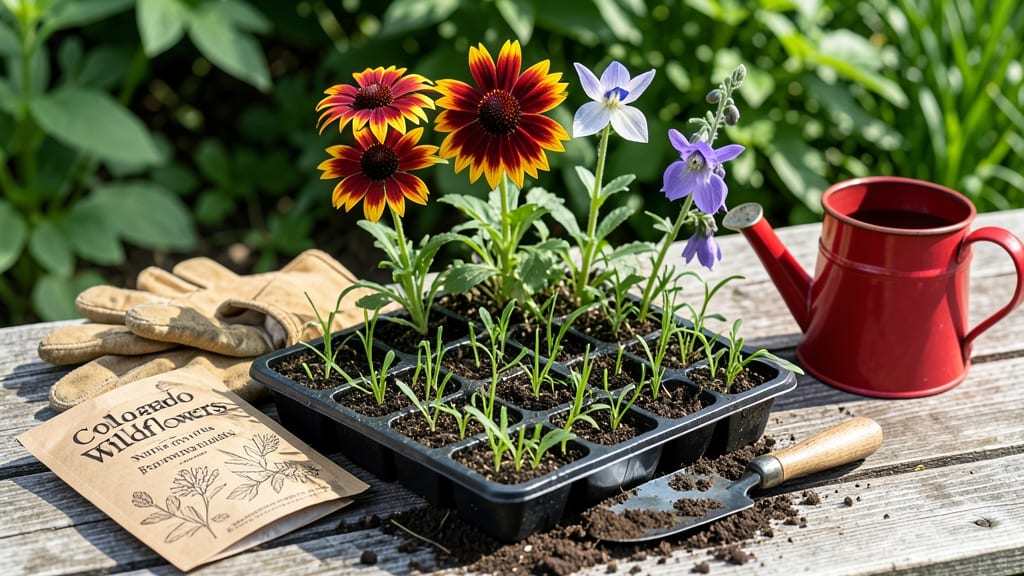
Planting flowers in Colorado depends on your elevation zone and last frost date — timing these right means the difference between a burst of color and a sad, frost-nipped garden.
Colorado’s diverse elevation zones—from high mountain valleys to arid plains—create wildly different planting windows for flowers, making timing everything for a thriving garden. In Denver’s USDA Zone 5b-6a, you’ve got until mid-May to get annuals in the ground, while mountain gardeners in Zone 5b might wait until early June.
Whether you’re planting hardy perennials in spring or heat-loving annuals in fall, getting the timing wrong can mean lost blooms or wasted effort. Below, I break down the exact frost-date calculator by elevation, plus the best flowers for each microclimate.
You’ll also learn how to adjust for late frosts, high-altitude winds, and even soil warming hacks to give your garden a fighting chance—no matter where in Colorado you call home.
Colorado frost dates by elevation zone: the critical planting timeline
Colorado’s dramatic elevation shifts—from the 2,500-foot plains to 12,000-foot peaks—mean your last frost date could vary by 2 months just a few miles away. Understanding these zones is key to timing your flower planting perfectly for blooms that last all season.
I’ve broken down Colorado’s 6 elevation zones with their average frost dates, USDA hardiness adjustments, and exact planting windows for annuals, perennials, and bulbs.
Whether you’re gardening in Denver’s 5,280 feet or Aspen’s 8,000 feet, these timelines will help you avoid frost damage and maximize your garden’s potential.
🌱
For low-elevation gardens (2,500–4,
Best flowers to Plant by Colorado’s seasonal microclimates
Colorado’s elevation zones create unique gardening challenges, but they also offer incredible opportunities for seasonal flower displays. Whether you’re gardening in the Front Range valleys or high-altitude mountain meadows, selecting the right flowers ensures vibrant blooms year-round.
Each zone demands different planting strategies and cold-hardy varieties to thrive in extreme conditions.
For lower elevations (3,500–6,500 ft), like Denver or Colorado Springs, focus on drought-tolerant annuals and heat-resistant perennials. These areas benefit from longer growing seasons but require water-efficient plants to survive dry spells.
Meanwhile, high-altitude gardens (7,500–10,000+ ft) need early-blooming perennials and cold-resistant bulbs that can handle late frosts and short summers.
🌿 Top Flowers by Colorado Elevation Zone
- 🏔️ Alpine (8,000–12,000+ ft): Columbines, Alpine Lilies, Rock Cress – Plant in May–June after snowmelt; full sun and well-draining soil are critical.
- 🌄 Front Range (5,000–7,500 ft): Coneflowers, Black-Eyed Susans, Russian Sage – Ideal for spring (April–May) or fall (August–September) planting; drought-tolerant once established.
- 🏜️ Western Slope (4,000–6,500 ft): Lavender, Yarrow, Blanket Flower – Thrives in arid conditions; plant March–April or September for fall blooms.
- 🌷 Urban Gardens (5,500–6,500 ft): Pansies, Petunias, Marigolds – Perfect for containers; sow April–May after last frost for summer color.
In high-altitude gardens, prioritize early-season bloomers like columbines and alpine asters, which tolerate late frosts and short growing seasons. These perennials naturalize beautifully in rocky soils and return year after year.
For lower elevations, annuals like zinnias and sunflowers deliver bold color but require consistent moisture during Colorado’s dry summers.
Timing is everything in Colorado’s variable climate. Plant perennials in early spring (March–April) to give roots time to establish before summer heat arrives. Annuals should wait until after the last frost (mid-May in most areas), while fall planting (August–September) extends blooms into early winter.
Always amend soil with compost to improve drainage in clay-heavy soils common in the Front Range.
Don’t overlook native wildflowers like beebalm or purple coneflower, which attract pollinators and thrive with minimal care. These low-maintenance options are perfect for xeriscapes in drier regions. Pair them with mulch to retain moisture and suppress weeds, a game-changer in Colorado’s windy conditions.
For container gardening in urban areas, choose compact varieties like geraniums or snapdragons. These flowers adapt well to limited space and variable sunlight, making them ideal for balconies or patios. Remember to water containers daily during summer heat to prevent wilting.