
Planting
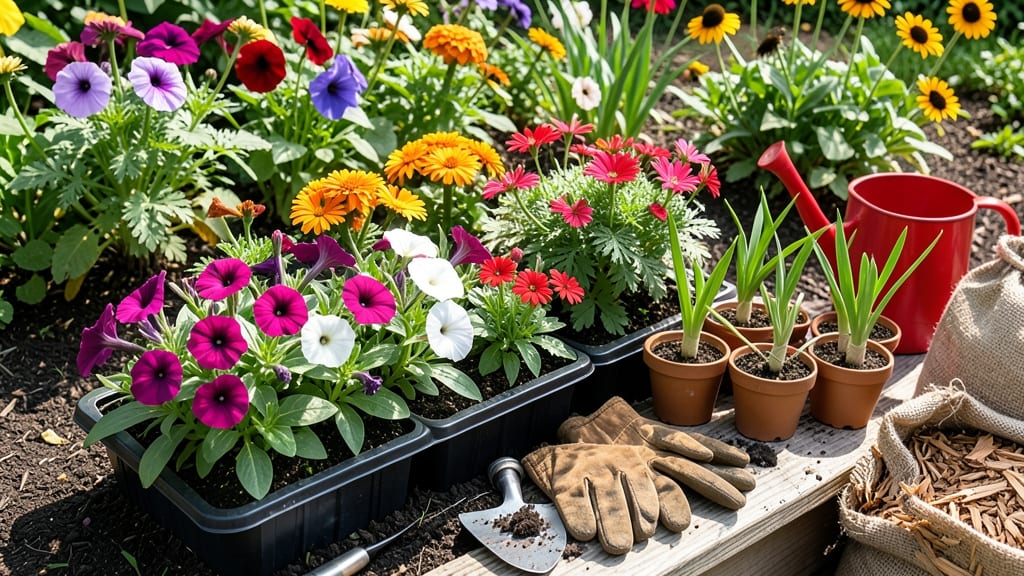
You can plant flowers in Ohio as early as late March for hardy varieties, but timing depends on your USDA zone and the specific blooms you’re growing 🌸.
Ohio’s unpredictable spring weather can leave gardeners scrambling—plant too early, and frost ruins your blooms; too late, and you miss peak flowering season. But with the right timing by USDA zone and flower type, you can maximize your garden’s beauty year after year.
For example, cold-hardy annuals like pansies thrive when planted in March, while tender summer favorites like marigolds need to wait until after the last frost in May. Meanwhile, perennials like coneflowers can handle Ohio’s 6a-6b zones when planted in early spring or fall.
Below, I’ll break down the exact months for each zone, seasonal planting strategies, and Ohio-specific tips to avoid common mistakes—so you can enjoy vibrant blooms from spring through fall.
Ohio flower planting calendar by USDA Zone (exact months for success)
Ohio spans USDA Zones 5a through 6b, meaning frost dates vary by 1-2 weeks between northern and southern regions. In Zone 5a (northwest Ohio), the last spring frost typically arrives April 20-25, while Zone 6b (southwest Ohio) sees frost-free conditions by April 10-15.
These differences matter because planting tender annuals like marigolds too early in colder zones can spell disaster—just ask gardeners who lost their petunia seedlings in 2021’s late April freeze.
Timing isn’t just about frost dates—it’s also about soil temperatures. Most flowers need soil to warm to 50°F (10°C) before planting. In Ohio, this usually happens by mid-May in Zone 5a but can be as early as late April in Zone 6b.
Cool-season flowers like pansies or snapdragons are exceptions—they thrive when soil is still chilly (40-50°F) and can handle light frosts.
Here’s where things get tricky: Seed-starting indoors vs. direct sowing outdoors. Starting geraniums or impatiens indoors in March gives them a head start, but zinnias or cosmos can be direct-sown after frost.
The key is matching your flower’s hardiness to Ohio’s microclimates—like urban heat islands or sheltered backyard spots that warm up faster.
Let’s break it down by USDA zone and flower type so you can plan your garden with confidence.
Below is a comparison of when to plant popular Ohio flowers, whether you’re in northern Ohio (Zone 5a) or southern Ohio (Zone 6b), and whether to start seeds indoors or sow directly.
| USDA Zone | Flower Type | Indoor Start (Weeks Before Last Frost) | Direct Sow After Frost | Zone 5a Planting Window | Zone 6b Planting Window | ||||||||||||||||||||||||
|---|---|---|---|---|---|---|---|---|---|---|---|---|---|---|---|---|---|---|---|---|---|---|---|---|---|---|---|---|---|
| 5a (Northwest OH) | Cool-Season Annuals (Pansies, Snapdragons) | 4-6 weeks before last frost | Direct sow 4-6 weeks before last frost | March 15 - April 1 | March 1 - March 15 | ||||||||||||||||||||||||
| Tender Annuals (Petunias, Geraniums) | 6-8 weeks before last frost | Wait until soil is 50°F+ (after May 1) | April 15 - May 15 | April 1 - April 15 | |||||||||||||||||||||||||
| 6b (Southwest OH) | Cool-Season Annuals (Sweet Peas, Lettuce Flowers) | 3-5 weeks before last frost | Direct sow 3-5 weeks before last frost | N/A | February 28 - March 15 | ||||||||||||||||||||||||
| Heat-Loving Annuals (Zinnias, Marigolds) | 4-6 weeks before last frost | Direct sow after last frost (April 15+) | N/A | April 1 - April 30 | |||||||||||||||||||||||||
| All Zones | Perennials (Coneflowers, Black-Eyed Susans) | Start seeds indoors 8-10 weeks before last frost | Transplant after frost (May 1+) | April 15 - May 15 | April 1 - April 30 | ||||||||||||||||||||||||
| Fall-Blooming (Mums, Asters) | Start seeds indoors 10-12 weeks before first frost | Direct sow 8-10 weeks before first frost | August 15 - September 15 |
Best flowers to plant in Ohio by season (cold-hardy vs. heat-loving varieties)Ohio’s variable climate—from late spring frosts to scorching summer heat—means choosing the right flowers for each season is key. Cold-hardy varieties like pansies and sweet peas thrive in early spring, while heat-loving annuals such as zinnias and marigolds shine in summer. Perennials like coneflowers and black-eyed Susans adapt to Ohio’s extremes, blooming reliably year after year. For early spring planting (March–April), focus on frost-tolerant flowers that can handle 30–40°F temperatures. These include pansies (which bloom even in cool weather) and sweet peas (ideal for trellises). In summer (June–August)drought-resistant varieties like zinnias and lantana, which thrive in 90°F+ heat with minimal water. Fall (September–October) is perfect for late-blooming perennials such as mums and asters, which tolerate light frosts and add color before winter. Meanwhile, perennial favorites like cone flowers and black-eyed Susans establish roots in spring but reward you with months of summer blooms with almost no care. 🌱 Ohio’s USDA Zones 5a–6b mean you’ll experience last frost dates from mid-April to early May, depending on your location. North Ohio gardeners should wait until May 1 for heat-loving annuals, while southern Ohio can plant zinnias and marigolds by April 15. Always check your local frost-free date to avoid frost damage.
If you’re container gardening, opt for compact varieties like petunias or geraniums, which thrive in pots and can be moved indoors during late fall frosts. For raised beds, mix heat-loving annuals with perennials to create a continuous bloom season from spring to frost. Pro tip: Mulch around perennials in early spring to protect roots from temperature swings and retain moisture during Ohio’s hot, dry summers. This simple step can extend blooming seasons by weeks and reduce watering needs by up to 30%. 🌿 |