
Blooming
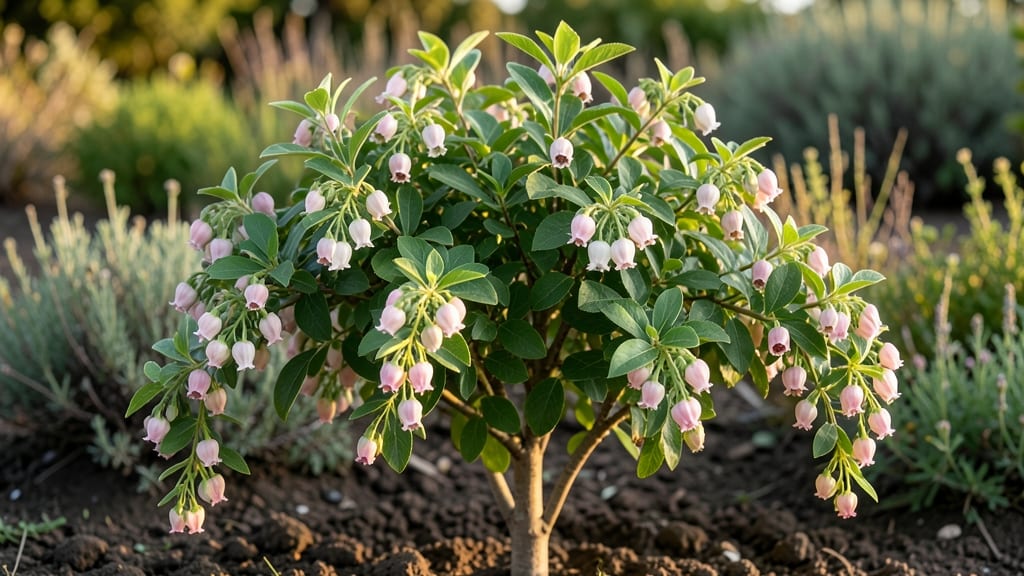
Blueberries flower when the days lengthen and chill hours accumulate, typically between late winter and early spring in most U.S. growing zones.
Imagine waking up to a bush blanketed in delicate white or pink blooms—your first sign that 🫐 blueberries are on their way. But here’s the catch: timing isn’t one-size-fits-all.
A late frost can wipe out blooms overnight, while early varieties might already be setting fruit by the time you realize they’re there.
In Zone 6a (like much of the Midwest), most bushes burst into bloom by early April, but southern varieties like ‘Southern Highbush’ can start as early as February. Meanwhile, northern types like ‘Northblue’ wait until May, when the risk of frost has passed.
Below, I’ll break down the exact flowering windows for popular varieties, how climate zones shift the schedule, and the simple steps you can take to protect those precious blooms—so you’re not left staring at a frost-damaged bush in June.
Blueberry flowering timeline by variety: early, mid, and late bloomers
Timing your blueberry harvest starts with understanding when these varieties flower. Early bloomers like 'Duke' kick off the season, while late bloomers like 'Jersey' extend it into May. Each variety thrives in USDA zones 3–9, but their bloom windows shift based on chill hours and frost risk.
Knowing these details helps you prune strategically, protect from frost, and maximize pollination for a bountiful crop.
Blueberry flowers emerge after dormancy breaks—typically between late winter and early spring—but exact timing depends on the variety. 'Duke' and 'Premier' are early bloomers, while 'Bluecrop' and 'Jersey' follow suit 2–3 weeks later. Bud swell (when buds plump up) is your first clue that blooms are imminent, often appearing in February or March in most regions.
Miss this window, and you might lose flowers to late frosts.
| Variety | Bloom Window | Fruit Set | Zones | Key Notes |
|---|---|---|---|---|
| Duke | Early April | Late May | 3–9 | Early bloomer; frost-sensitive |
| Jersey | Mid-April | Early June | 4–8 | Large berries; needs cross-pollination |
| Bluecrop | Late April | Mid-June | 4–7 | Classic mid-season; self-pollinating |
| Premier | Early April | Late May | 5–9 | Dwarf variety; early harvest |
| Chippewa | td style="padding: 8px; border-bottom: 1px solid #4a7d5f;">Late AprilMid-June | 3–6 | Cold-hardy; late frost tolerance |
If you’re in zone 3 or 4, expect blooms to push later into April or May due to colder springs. 'Chippewa', for example, thrives in these zones and often blooms 2 weeks later than 'Duke'.
In zones 8–9, warmer winters can trigger earlier blooms—sometimes as early as February—but this increases frost damage risk. Always monitor your local frost forecast during bloom season.
For early bloomers like 'Duke' and 'Premier', protect flowers with row covers or frost cloth if frost is forecasted.
These varieties are frost-sensitive and can lose 70% of blooms in a single night below 28°F. Mid-season bloomers, like 'Bluecrop', are slightly more resilient but still benefit from light pruning to open the canopy for better airflow and pollination.
Pollinators play a critical role in fruit set, so timing matters. Bees and butterflies are most active when temperatures hover between 55°F and 75°F. Plant early and mid-season varieties together to extend the pollination window.
For example, pairing 'Duke' (early) with 'Bluecrop' (mid) ensures continuous blooms for pollinators. Avoid over-pruning flowering wood, as last year’s growth holds the most blooms.
Once flowers fade, watch for fruit set—tiny berries forming on the stems. This happens 4–6 weeks after blooming, depending on the variety. 'Jersey', for instance, sets fruit by early June, while 'Chippewa' lags until mid-June. Thin berries to ½-inch apart to improve size and quality. Overcrowded fruit leads to smaller, tart ber
Climate Zone impact on blueberry flowering: when to expect blooms
Blueberries are finicky about timing—too much heat too soon or a late frost can wreck their flowering cycle. Your USDA climate zone determines when buds swell and blooms appear, with chill hours (cold winter hours) being the biggest factor.
In Zone 3-5, blooms often arrive by late April, while Zones 7-9 may see flowers as early as February.
Blueberries need 600–1,000 chill hours (below 45°F) to trigger blooms. Without enough cold, buds stay dormant, and you’ll miss that spring spectacle. For example, ‘Duke’ blueberries in Zone 6 typically flower in early March, while ‘Jersey’ in Zone 8 might bloom in late February.
If you live in warmer zones (7-9), consider late-blooming varieties like ‘Bluecrop’ to avoid early heat waves. In colder zones (3-5), plant early-blooming types like ‘Earliblue’ to catch the short spring window before frost hits.
Always check your last frost date—blooms typically appear 2–4 weeks before harvest.
Pruning plays a role too! Thin out overcrowded branches in late winter to improve airflow and reduce frost pockets.
In Zones 3-5, wait until after blooms to prune; in Zones 7-9, prune in early spring to encourage new growth. Mulch heavily in fall to protect roots from temperature swings.
Watch for bud swell—tiny green bumps on stems—as your first clue. In Zone 6, this happens around mid-February, while Zone 8 may see it in January.
Once buds swell, blooms follow in 10–14 days. Keep an eye on humidity levels too; high humidity can spread botrytis blight, a fungal disease that ruins blooms.
Pro tip: Use frost cloth or a row cover if your area has late frosts after buds swell. Even a light freeze (28°F) can damage blooms, cutting your harvest by 50% or more.
In Zone 9, shade cloth can protect flowers from heat stress if temps soar above 85°F during bloom.