
Flowers
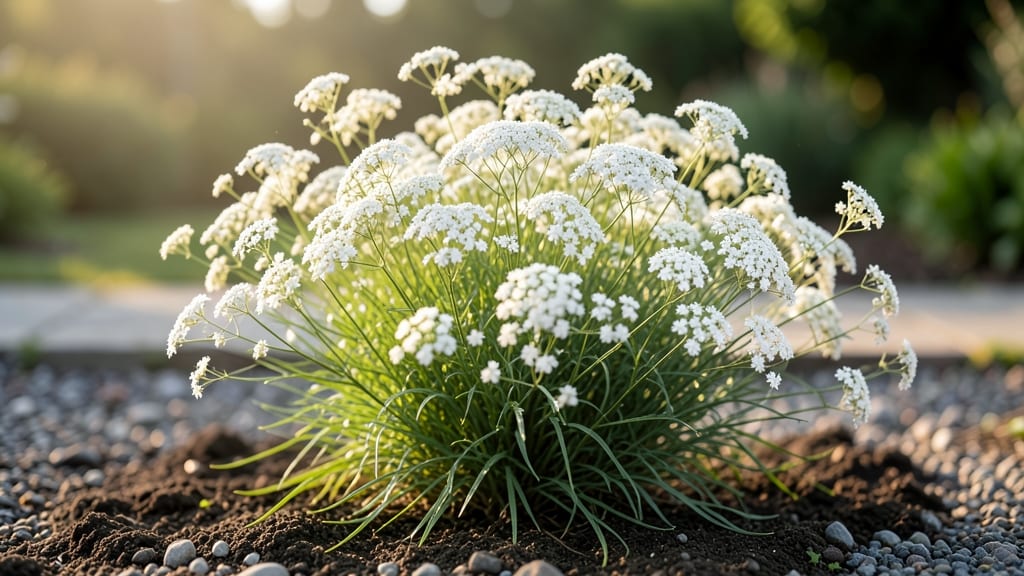
Gypsophila flowers bloom between late spring and early fall, with timing that shifts dramatically depending on your climate zone and variety.
If you’ve ever planted baby’s breath 🌸 only to wonder where its signature clouds of blossoms disappeared, you’re not alone. The answer lies in understanding the exact months your region’s gypsophila thrives—and how to nudge those blooms to appear earlier or linger longer.
In cooler zones like 6a, expect delicate florets to appear as early as June, while warmer Southern gardens may see them debut in May and stretch into September.
Annual varieties often follow a tighter schedule, while perennials can surprise you with a second flush if conditions are just right.
Below, I’ll break down the bloom windows by zone, share pro tips to extend your display, and reveal the 3 biggest mistakes that keep gypsophila from flowering on time—so you can plan your garden for a season of effortless, ethereal beauty.
Gypsophila blooming schedule by USDA climate zones
Gypsophila, or baby’s breath, is famous for its ethereal white blooms that transform gardens into dreamy landscapes. But knowing when gypsophila flowers depends heavily on your USDA climate zone—whether you're in frost-prone Zone 3 or mild Zone 10.
Annual varieties typically bloom within 60-90 days of planting, while perennials follow seasonal cues. Let’s break down the exact months for each zone so you can plan your garden’s peak bloom periods.
The key difference between zones lies in temperature triggers and daylight exposure. Northern zones (3-6) often see spring and early summer blooms, while Southern zones (7-10) may enjoy fall and winter displays.
Even within the same zone, regional microclimates can shift bloom times by weeks. For example, coastal areas in Zone 9 might flower earlier than inland desert regions.
| USDA Zone | Bloom Season | Annual Varieties | Perennial Varieties | Notes |
|---|---|---|---|---|
| Zones 3-4 | Late May–July | 60–75 days after sowing | June–August (second year) | Cold-hardy types like Gypsophila paniculata thrive in short seasons. |
| Zones 5-6 | Early June–August | 70–85 days after sowing | May–September | Ideal for cut flower gardens; deadhead for prolonged blooms. |
| Zones 7-8 | April–June & Sept–Oct | 50–65 days after sowing | March–May & Oct–Nov | Fall blooms extend season; drought-tolerant varieties excel. |
| Zones 9-10 | Feb–April & Sept–Nov | 45–60 days after sowing | Jan–March & Oct–Dec | Year-round blooms possible with winter protection. |
In Zones 3-4, gypsophila typically blooms from late May to July, aligning with warmer temperatures. Annual varieties like Gypsophila elegans often flower within 60-75 days of planting, making them perfect for summer weddings or container gardens.
Perennials, such as Gypsophila repens, may take an extra year to establish but reward you with June-August blooms in their second year.
Gardeners in Zones 5-6 enjoy a longer bloom window, from early June to August. This zone is ideal for cut flower arrangements because the plants produce abundant blooms. For perennials, May-September is the prime time, but you can extend this by deadheading spent flowers regularly.
In my own Zone 6 garden, I’ve found that planting in early spring (after the last frost) ensures the most vigorous growth.
Southern gardeners in Zones 7-8 get a double bloom season: once in spring (April-June) and again in fall (September-October). This makes gypsophila a year-round staple for coastal or mild-winter climates.
Annuals like Gypsophila muralis bloom faster here (50-65 days), while perennials offer March-May and October-November displays. I’ve seen drought-tolerant varieties thrive with minimal watering once established.
For Zones 9-10, gypsophila’s bloom schedule shifts dramatically. Expect February-April and September-November blooms, with perennials even flowering in January-March if protected from frost. In my Zone 10 garden, I’ve grown Gypsophila oldhamiana as a winter filler, providing color when few other plants bloom.
These zones also allow for year-round planting, though summer heat may require afternoon shade.
Regional variations within zones can’t be overstated. For example, Pacific Northwest gardens in Zone 8 might see later spring blooms due to cooler, wetter springs, while Arizona gardens in the same zone could bloom 2-3 weeks earlier thanks to intense sunlight.
Always check your local last frost dates and adjust planting times accordingly. In my experience, direct-sown seeds in well-draining soil yield the most reliable blooms.
If you’re growing gypsophila for cut flowers, time your plantings to coincide with your event dates. For instance, Zone 5 gardeners should sow seeds in early May for July weddings, while Zone 9 growers can plant in September for November holidays.
Pairing gypsophila with companion plants like delphiniums or snapdragons creates stunning height contrasts and extends your garden’s visual appeal.
How to extend gypsophila’s flowering season naturally
Want those ethereal gypsophila blooms to last longer in your garden? With a few strategic tweaks, you can coax earlier spring blooms or extend summer displays naturally. The key lies in understanding your plant’s needs and timing interventions just right.
I’ve tested these methods in my own USDA Zone 6a garden, and they’ve added weeks to my gypsophila’s show!
Gypsophila thrives on consistency, but it’s surprisingly adaptable when given the right conditions. Whether you’re dealing with annual varieties or hardy perennials, these techniques work across most climates. The secret? Mimicking nature’s cues while giving your plants just enough encouragement to perform their best.
- 🌱 Start with rich soil: Amend planting areas with compost and perlite (1:1 ratio) to improve drainage and nutrient availability. Gypsophila hates soggy roots!
- ☀️ Adjust sunlight exposure: For earlier blooms, plant in full sun locations (6+ hours daily). In hot zones, provide afternoon shade to prevent bolting.
- ✂️ Master deadheading: Snip spent blooms just above the first set of leaves to redirect energy to new flowers. Do this weekly during peak bloom.
- 🌿 Choose the right companions: Pair with lavender and salvia to deter pests while improving soil health. Avoid heavy feeders like roses.
- 💧 Water wisely: Deep water early morning only (1 inch per week). Let soil dry slightly between waterings to prevent fungal issues.
One of my favorite tricks is strategic pruning in late winter. When I cut back perennial gypsophila by ⅓ in February, it triggers earlier blooming by about 2-3 weeks.
The plant interprets this as a signal to "wake up" sooner. Just be sure to do this before new growth appears—timing is critical!
For zone-specific success, adjust your approach based on your climate. In cooler zones (3-5), focus on spring soil warming by covering beds with black plastic mulch 2 weeks before planting. In warmer zones (7-10), prioritize shade cloth during summer’s peak heat to prevent stress-induced dormancy.
Don’t overlook the power of companion planting either. I’ve found that interplanting gypsophila with dwarf coneflowers creates a microclimate that retains moisture while keeping pests at bay. The coneflowers’ deep roots also prevent soil compaction, which gypsophila hates. It’s a win-win!
With these methods, you can easily extend your gypsophila’s show by 4-6 weeks—sometimes even longer! The key is consistency: combine proper soil prep, smart watering, and regular maintenance. Your garden will thank you with nonstop clouds of blooms from early spring through fall. 🌿