
Blooming
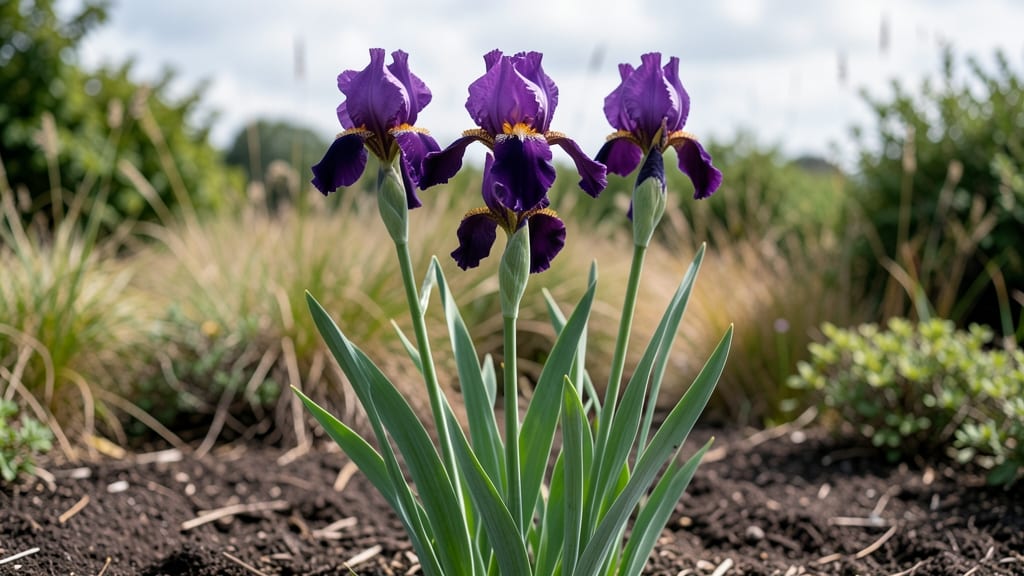
Iris flowers bloom in late spring to early summer, with timing that shifts based on variety and climate zone—think April through June for most types, but some Siberian irises linger into July.
If you’ve ever wondered why your iris garden seems to burst into color at different times each year, the answer lies in their variety—and your climate zone.
Timing these blooms correctly means enjoying vibrant flowers from early spring to late summer, but only if you know the secrets behind their schedules.
Bearded irises, the most common type, typically open in May, while Siberian and Japanese irises often bloom a few weeks earlier or later. Louisiana irises, on the other hand, thrive in warmer climates and may flower as early as March or stretch into August.
Below, I’ll break down the exact bloom windows for each variety, how your USDA zone affects timing, and 5 pro tips to adjust their schedule—so you can plan your garden for a nonstop parade of 🌸 from spring through summer.
Iris bloom times by variety: month-by-month breakdown
Iris flowers are nature's way of painting your garden in waves of color, but their bloom times vary dramatically by variety. Whether you're growing bearded irises for their bold standards or Siberian irises for delicate charm, understanding these timelines helps you plan for a year-round display.
The key? Recognizing each type's natural rhythm and adjusting care to match.
Most iris varieties bloom in spring or early summer, but some defy expectations with fall or winter blooms. For example, Louisiana irises thrive in heat and humidity, often flowering in late summer when other varieties rest.
Meanwhile, Japanese irises prefer cooler weather and may bloom as late as June or July. Let's break down these schedules so you can anticipate—and extend—their beauty.
If you're in USDA zones 3–5, expect bearded irises to bloom 2–4 weeks earlier than in warmer zones.
For instance, in zone 4, they may start as early as late March, while in zone 8, blooms often stretch into mid-May. Siberian irises, however, are more consistent, typically flowering in May across most zones due to their cold-hardy nature.
For gardeners in southern climates (zones 7–10), Louisiana irises become a game-changer. These heat-loving varieties bloom in late summer when many other irises have finished. Pair them with reticulata irises for a February–March show, creating a seamless transition from winter to summer color.
One of my favorite tricks? Planting reblooming bearded irises alongside Japanese irises. The bearded variety delivers spring blooms, while the Japanese iris takes over in mid-summer, ensuring your garden never skips a beat.
Just ensure both get full sun—6+ hours daily—to trigger their genetic bloom clocks.
Watch for foliage cues to predict blooms. When bearded irises send up 6-inch flower stalks, count 4–6 weeks until blooms appear. For Japanese irises, wait until their leaves fan out fully before expecting flowers. These visual signals help you time pruning and fertilizing for maximum impact.
Pro tip: In warmer climates, bearded irises may need afternoon shade to prevent early fading. Mulch with 2–3 inches of organic matter in late summer to protect roots and encourage next year’s blooms. This small step can shift bloom times by 1–2 weeks in the right conditions.
Don’t overlook soil pH—irises thrive in slightly acidic to neutral soil (pH 6.0–7.0). Test your soil in early spring and amend with lime (to raise pH) or sulfur (to lower pH) if needed. A well-balanced pH
How climate Zones shift iris blooming seasons (and what to plant for year-round color)
Your USDA climate zone is the secret weapon for predicting when your irises will bloom. In Zone 3, Siberian irises often wake up in late May, while Zone 10 gardeners might see bearded irises flowering as early as February.
These shifts mean your bloom schedule could vary by 3-4 months depending on where you live.
Northern gardeners (Zones 3-6) typically enjoy spring blooms from April to June, while southern gardeners (Zones 7-10) often get winter or early spring flowers. Louisiana irises, for example, bloom in Zones 4-9 but shift from late spring in cooler zones to winter in warmer ones.
To extend your iris season, pair them with companion plants that bloom before or after. In Zones 3-6, plant daffodils (February-March) before your irises take over. For Zones 7-10, add winter jasmine (January-February) for early color.
Southern gardeners can trick their irises into reblooming by providing partial shade during summer months. This delays the dormancy period and often results in a second flush of blooms in late summer or fall—perfect for extending your garden's color palette.
For northern gardens, focus on early bloomers like Siberian irises (Zone 3-7) and retro bearded irises (Zone 4-9). These varieties often flower 2-3 weeks earlier than standard types, giving you that crucial early-season splash of color.
With the right zone-specific planning, you can create a year-round iris display that keeps your garden vibrant from late winter through summer. The key is understanding your local microclimate and choosing varieties that complement your natural bloom cycles.