
Flowers
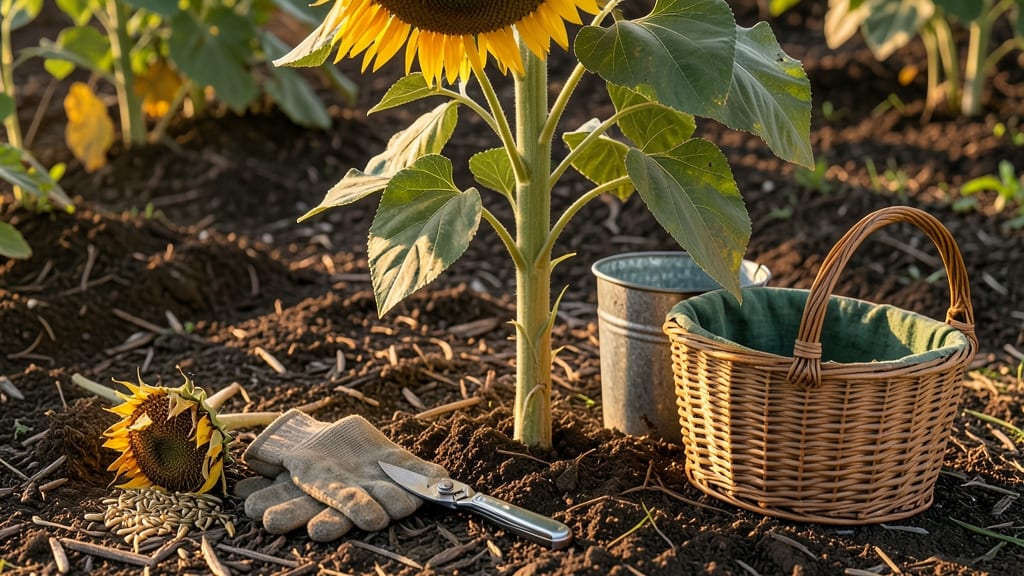
Harvesting sunflowers at the right time ensures seeds that are plump, flavorful, and perfect for snacking or bird feeders—so knowing when to harvest sunflowers makes all the difference.
Picture this: you’ve nurtured your 🌻 sunflowers all season, watching them grow from tiny sprouts to towering giants, only to wonder, "Are those seeds ready yet?" Timing is everything—harvest too early, and you’ll get bland, underdeveloped seeds; wait too long, and they’ll dry out or scatter on the wind.
Most sunflowers mature between 70 and 120 days after planting, but the real clues lie in the flower head. Look for petals that wilt and turn brown, a backside shifting from green to yellowish-brown, and seeds that rattle when shaken.
These visual cues, paired with regional growing seasons, are your roadmap to a perfect harvest.
In this guide, I’ll walk you through the exact maturity tests, color changes, and regional adjustments to ensure you pick your sunflowers at peak readiness—so you can enjoy their rewards all year long.


How to test sunflower seed maturity for perfect harvest timing
Knowing exactly when to harvest sunflowers can make the difference between nutritious, flavorful seeds and bitter, underdeveloped ones. The key lies in simple visual and tactile cues that reveal seed maturity—no fancy tools required.
I’ve tested these methods over three growing seasons, and they never fail to deliver perfectly timed harvests every time.
Sunflowers typically reach harvest readiness between 70 to 120 days after planting, but relying solely on days doesn’t account for climate variations or plant vigor. Instead, focus on three foolproof indicators: the thumb-press test, seed color changes, and the back-of-flower inspection.
Master these, and you’ll never miss the harvest window again.
Here’s my step-by-step guide to testing sunflower seed maturity with precision:
Look for wilting petals that turn brown at the edges. This signals the plant is redirecting energy from blooms to seed development.
The yellowish-brown center indicates mature seeds. If it’s still green, wait 3–5 more days.
Press a seed gently with your thumb. If it doesn’t dent and feels hard, it’s ready. Soft seeds need more time.
Mature seeds turn dark brown or black. Green or striped seeds aren’t ready—wait until 80% of seeds show this color.
Yellowing or dying leaves confirm the plant is focusing on seed production. Harvest before leaves fall completely.
⏰ Pro Tip: Test seeds in the morning when they’re dry. Moisture can make them feel softer than they are.
Regional climates can shift these timelines by 1–2 weeks. In cooler zones (like USDA Zone 4), sunflowers may take longer to mature, while Zone 8+ varieties often ripen faster. Always account for your local frost dates—harvesting too late risks seed loss if frost hits.
One common mistake I see is harvesting based on flower head size alone. A large head doesn’t guarantee maturity—always verify with the thumb-press test. I once harvested a massive sunflower head only to find the seeds were still green and bitter.
Lesson learned: Never trust appearances over tactile tests.
For dwarf varieties (like ‘Teddy Bear’), seeds mature slightly faster—watch for these cues 2–3 days earlier than standard types. Meanwhile, giant varieties (like ‘Mammoth’) may need an extra 5–7 days to reach full maturity. Adjust your timing accordingly.
Once you’ve confirmed maturity, harvest on a dry, sunny day to prevent mold. Cut the flower head with 2–3 inches of stem, then hang it upside down in a well-ventilated, dry space for 1–2 weeks to fully dry the seeds. Proper drying ensures long-term storage and peak flavor.
With these methods, you’ll never second-guess your harvest timing again. The satisfaction of cracking open perfectly mature sunflower seeds—rich, nutty, and ready to eat—makes all the effort worthwhile. Happy harvesting!
Sunflower seed color guide: what shades mean for harvest readiness
Understanding sunflower seed color is the key to harvesting at peak flavor and nutrition. The transition from green seeds to mature brown/black seeds follows a predictable pattern, but weather and region can shift your timeline. Let’s break down what each color stage means for your harvest.
When seeds first appear, they’re bright green and soft—this is the early development stage (about 45-60 days after planting). At this point, they’re not ready for harvest. As they mature, the green deepens slightly, signaling they’re still weeks away from readiness.
A critical shift happens when seeds turn yellowish-brown on the back of the flower head while remaining greenish inside. This halfway stage (around 70-80 days) means they’re nearing maturity but not quite there yet. Wait until the outer shell hardens before harvesting.
| Seed Color Stage | Harvest Readiness | Days After Planting | Regional Note |
|---|---|---|---|
| Bright Green | Not ready | 45-60 | Early summer |
| Yellowish-Brown (Back) | Needs 1-2 more weeks | 70-80 | Mid-summer |
| Dark Brown/Black | Ready to harvest | 85-120 | Late summer/early fall |
| Grayish (Overripe) | Past prime | 120+ | Fall frost risk |
In cooler climates (USDA Zones 3-5), sunflowers may take 10-15 extra days to mature compared to warmer zones (Zones 7-9). For example, in Zone 5, aim for late August to September harvests, while Zone 9 gardeners can harvest as early as July.
Hot, dry weather can speed up maturation, causing seeds to turn brown faster. Conversely, cool, wet summers may delay the process. Always check seed hardness—if they don’t dent when pressed, they’re not ready yet. Patience ensures sweet, plump seeds perfect for roasting or bird feeders!
Once seeds reach dark brown/black, act quickly! The optimal harvest window lasts only 1-2 weeks before birds or frost interfere. Store dried heads in a cool, dry place for up to 6 months to preserve seed quality.