
Flowers
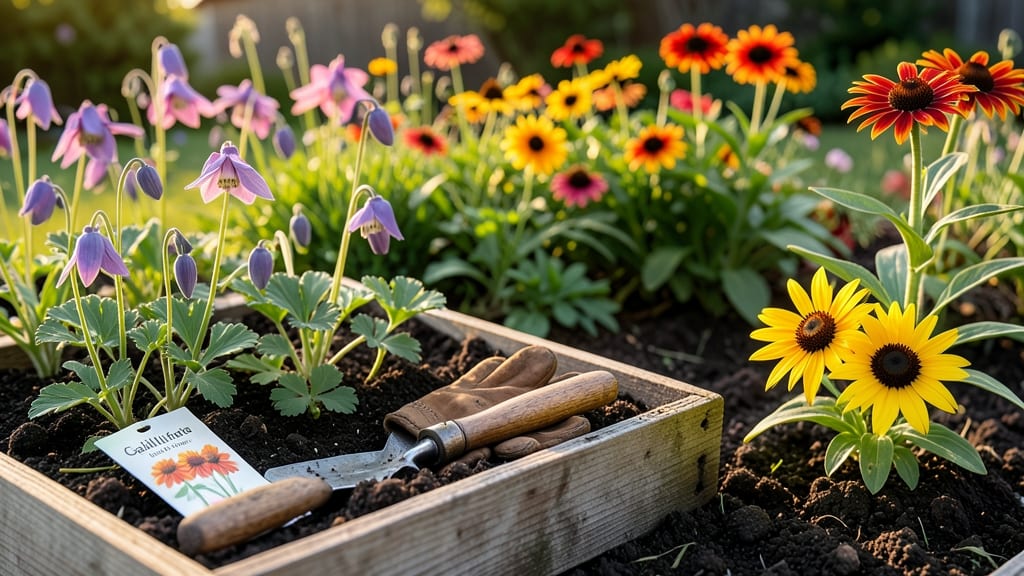
Planting flower seeds in Colorado at the right time means the difference between a garden bursting with color and a season of disappointment.
Colorado’s unpredictable climate—from early mountain frosts to sudden heatwaves—can make or break your flower garden. Planting at the wrong time means stunted blooms or wasted seeds, but timing it right unlocks vibrant, long-lasting flowers year after year.
Whether you’re in the Front Range, the Western Slope, or the Eastern Plains, knowing when to start seeds indoors or when to sow directly into the soil is critical.
The key? Matching your USDA zone with the heat tolerance of your flowers and avoiding those late frosts that can wipe out seedlings overnight.
In this guide, I’ll break down the exact planting windows for annuals and perennials, share region-specific heat tolerance charts, and give you actionable steps—like soil prep and frost protection—to ensure your 🌱 flower seeds thrive. No more guessing, just blooms.
Colorado planting zones & flower seed heat tolerance charts by month
Colorado’s USDA planting zones 5-9 create dramatic differences in when you can safely plant flower seeds. Denver’s Zone 5b faces late spring frosts, while Pueblo’s Zone 7a enjoys longer heat-tolerant growing seasons. Understanding these zones helps you match heat-loving annuals like zinnias with cooler-season perennials such as coneflowers.
Your planting window hinges on last frost dates and soil temperatures. In Zone 6 (Colorado Springs), wait until mid-April for warm-season seeds, while Zone 9 (Alamosa) gardeners can start as early as March. Always adjust for high-altitude microclimates—Denver’s urban heat islands may warm faster than mountain foothills.
Below is your month-by-month heat tolerance chart for Colorado’s most popular flowers. Annuals like marigolds and sunflowers thrive in 75°F+ soil, while perennials such as black-eyed Susans tolerate cooler 60°F+ starts. Use this guide to avoid leggy seedlings or frost damage.
| Zone/Month | Annuals (Heat-Loving) | Perennials (Cool-Tolerant) | Soil Temp (°F) | Notes |
|---|---|---|---|---|
| Zone 5 (Denver) | Marigolds, Zinnias May-June |
Coneflowers, Black-Eyed Susans April-May |
55-65°F | Use row covers for late frosts |
| Zone 6 (Colorado Springs) | Sunflowers, Cosmos April-May |
Daylilies, Lavender March-April |
60-70°F | Soil warms faster at lower elevations |
| Zone 7 (Pueblo) | Petunias, Geraniums March-April |
Bee Balm, Russian Sage February-March |
65-75°F | Longer growing season; extend with fall planting |
| Zone 8-9 (Alamosa) | Tropical Lilies, Celosia February-March |
Yarrow, Blanket Flower January-February |
70-80°F | High desert; water deeply 2x/week |
| All Zones (Fall Planting) | Pansies, Snapdragons August-September |
Asters, Goldenrod July-August |
50-60°F | 6-8 weeks before first frost |
For Zone 5 gardeners like those in Boulder or Fort Collins, focus on cold-hardy annuals such as sweet peas and nasturtiums in early spring. These tolerate 40°F+ soil and bloom quickly, giving you color before heat-loving varieties like zinnias can handle the warmth.
In Zones 7-9, prioritize succession planting for continuous blooms. Start marigolds in March, then follow with cosmos in May, and finish with sunflowers in June. This staggered approach ensures your garden stays vibrant from spring through fall without gaps.
Always check soil temperatures with a thermometer before planting. Seed packets often suggest planting dates, but Colorado’s dry air and intense sun can push those windows earlier. For example, my Zone 6 garden in
Best flowers to plant in Colorado by season: cool vs. warm-season strategies
Colorado’s short growing season demands smart planning to maximize your flower garden’s potential. Cool-season flowers like pansies and snapdragons thrive in early spring and fall, while warm-season varieties such as sunflowers and cosmos need summer’s heat. Understanding these distinctions helps you avoid planting gaps and enjoy continuous blooms.
In Zone 5-7 (common across Colorado), cool-season flowers can handle light frosts, while warm-season plants need consistent temperatures above 50°F (10°C). The key is succession planting—overlapping cool and warm-season bloomers to create a seamless display from spring through fall.
Plant: Pansies, Sweet Alyssum, Violas
Soil Temp: 40-50°F (4-10°C)
Tip: Use row covers for frost protection.
Plant: Snapdragons, Calendula, Sweet Peas
Soil Temp: 55-65°F (13-18°C)
Tip: Harden off seedlings before transplanting.
Plant: Sunflowers, Cosmos, Zinnias
Soil Temp: 65°F+ (18°C+)
Tip: Mulch to retain moisture in dry heat.
Plant: Asters, Chrysanthemums, Dianthus
Soil Temp: 50-60°F (10-16°C)
Tip: Start seeds 6-8 weeks before first frost.
For cool-season flowers, prioritize varieties that tolerate light frost and alkaline soil, common in Colorado. Pansies and snapdragons are my top picks—they bloom early and often, even in Zone 4 areas like Fort Collins.
Direct-sow seeds in late March after the last frost risk passes, or start indoors in February for a head start.
Warm-season flowers like sunflowers and cosmos demand patience. Wait until mid-May when soil temperatures consistently stay above 60°F (15°C). These heat-lovers reward you with bold blooms, but they need consistent watering—especially in Colorado’s dry summers. I recommend drip irrigation to keep roots hydrated without wasting water.
To extend your blooms, practice succession planting. Sow fast-growing annuals like marigolds every 2-3 weeks from June through August. This fills gaps left by finished bloomers and keeps your garden vibrant. Pair cool-season dianthus with late-summer zinnias for a seamless transition from summer to fall.
Don’t forget perennials like coneflowers and black-eyed Susans—they thrive in Colorado’s climate and return year after year. Plant them in early spring or fall for best establishment, and they’ll reward you with low-maintenance blooms for decades.