
Flowers
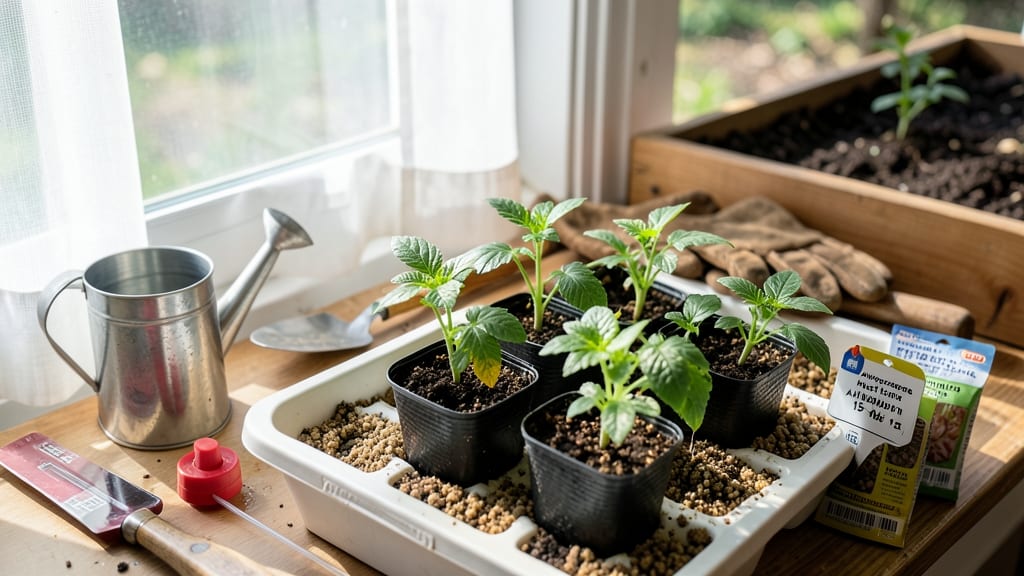
Planting flower seeds in Illinois at the right time ensures vibrant blooms and avoids frost damage—timing matters more than you might think.
Picture this: you’ve spent weeks nurturing delicate 🌸 seedlings indoors, only to rush them outside too early and watch them crisp under a late frost. Or worse, you wait too long, and summer heat arrives before your flowers even sprout.
Illinois’s USDA Zones 5a-6b create a tricky balance, with last frost dates ranging from mid-April in the north to early April in southern regions.
This guide breaks down the perfect planting windows for your favorite flowers, whether you’re starting seeds indoors in February or sowing directly in May. We’ll cover frost dates by region, which flowers thrive in Illinois’s climate, and how to stretch your blooming season with smart timing.
Ready to transform your garden into a year-round showstopper? Let’s dive into the exact weeks to plant for healthy, thriving flowers that last from spring through fall.
Illinois planting zones & frost dates: your seed timeline by region
Illinois spans USDA Hardiness Zones 5a through 6b, meaning your last frost dates can vary by 2-3 weeks from northern to southern regions. Northern Illinois (Zones 5a-5b) typically sees frost until May 15, while southern Illinois (Zones 6a-6b) often warms up by April 15.
Understanding these zones helps you time seed planting for maximum bloom success.
For spring planting, most Illinois gardeners start seeds indoors 6-8 weeks before the average last frost date. In Zone 5a, this means mid-February to March, while Zone 6b gardeners can begin late February.
Outdoor sowing begins 2-4 weeks after the last frost date—typically late April to early May in northern regions and mid-April in the south.
Fall planting offers a second chance for cool-season flowers like pansies and snapdragons. Sow seeds outdoors 8-10 weeks before the first frost (usually late August to September). Northern Illinois gardeners should aim for early August, while southern gardeners have until mid-September.
Perennials like coneflowers and black-eyed Susans can be direct-sown in early spring (March-April) or fall (September-October). Biennials such as foxgloves benefit from early fall sowing to establish roots before winter. Annuals like marigolds and zinnias thrive when planted after all frost risk has passed.
Use a planting calendar to track your local frost dates. For northern Illinois, wait until May 15 for heat-loving annuals, while southern gardeners can start 2 weeks earlier. Always check soil temperatures—most seeds need 60°F+ to germinate successfully.
Extend your growing season by using row covers or cold frames to protect early plantings. In Zone 5a, this can push your last frost date back by 2-3 weeks, giving you more time for spring blooms. Monitor local weather forecasts for late-season frost warnings, especially in May.
For fall planting, focus on cool-season flowers like pansies, calendula, and sweet alyssum. These varieties tolerate light frosts and often bloom until first snowfall. In Zone 6b, you can even sow hardy annuals like snapdragons as late as September 15.
Pro tip: Keep a garden journal to track your local frost dates and adjust planting times yearly. Illinois' climate shifts slightly each decade, so personal records help you stay ahead of trends. With the right timing, your flower garden can burst into color from May through October!
Best flower seeds to plant by month in Illinois (with frost risk alerts)
Illinois gardeners face unique challenges with its five USDA zones (5a-6b) and unpredictable frost dates. Planting flower seeds at the wrong time can lead to frost damage or stunted growth, but timing it right ensures a vibrant, long-lasting garden.
Whether you're sowing cold-hardy pansies in early spring or heat-loving zinnias in late summer, knowing the frost risk alerts for each month is key to success.
Below, I’ve broken down the best flower seeds to plant each month, including indoor start times for frost-sensitive varieties and direct-sow windows for hardy annuals. I’ve also included a frost-risk warning system to help you avoid common pitfalls like late frosts in May or early frosts in September.
- 📅 February: Start petunias, impatiens, and geraniums indoors (6-8 weeks before last frost). These frost-sensitive flowers need a head start. ⚠️ Frost risk: High (avg. last frost: mid-April)
- 📅 March: Direct-sow pansies, snapdragons, and sweet peas outdoors (4-6 weeks before last frost). These cold-tolerant flowers thrive in cooler temps. ⚠️ Frost risk: Medium (northern IL: high)
- 📅 April: Sow marigolds, zinnias, and cosmos directly after last frost (soil temp ≥60°F). Start dahlias and cannas indoors for late-summer blooms. ⚠️ Frost risk: Low (but late frosts possible)
- 📅 May: Plant sunflowers, nasturtiums, and alyssum outdoors (after all frost danger). This is the safest month for most annuals. ⚠️ Frost risk: Very low (but monitor forecasts)
- 📅 June: Succession plant basil flowers, celosia, and portulaca for late-season color. These heat-tolerant varieties thrive in summer’s warmth. ⚠️ Frost risk: None (focus on heat protection)
- 📅 August: Start fall-blooming asters and chrysanthemums indoors (8-10 weeks before first frost). Direct-sow kale flowers and ornamental kale outdoors. ⚠️ Frost risk: Low (but nights cool quickly)
- 📅 September: Sow pansies, calendulas, and sweet alyssum for fall/winter color. These cold-hardy flowers handle light frosts. ⚠️ Frost risk: Medium (first frost: mid-October)
For northern Illinois (zones 5a-5b), always err on the side of caution—wait until after May 15 to plant frost-sensitive seeds outdoors.
In southern Illinois (zones 6a-6b), you can push the envelope slightly earlier, especially in microclimates like south-facing beds that warm up faster. Zinnias and marigolds are my go-to late starters because they tolerate heat and bloom quickly, even when planted in June.
Pro tip: Use row covers or cold frames to extend your planting window by 2-3 weeks in spring or fall. This lets you sow spinach flowers or ornamental cabbage earlier in March or later in September without frost damage. Just remove covers once plants are established to prevent overheating.
Remember, soil temperature matters just as much as air temperature. Use a soil thermometer to confirm it’s at least 60°F before sowing warm-season seeds like petunias or vinca. If your soil is still cold, wait another week—rushed planting leads to poor germination.
By following this month-by-month guide, you’ll avoid the heartbreak of frost-nipped seedlings and enjoy a continuous bloom season from spring through fall. Happy planting! 🌷