
Flowers
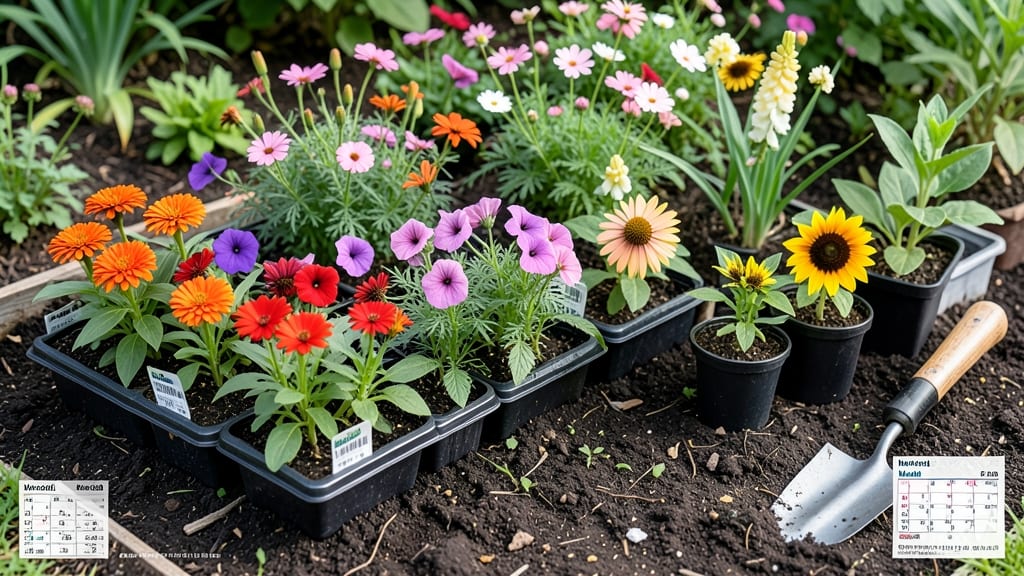
To plant flowers in Philadelphia, aim for late March through May for spring blooms and September to October for fall varieties — timing that aligns with the city’s USDA Zone 7a and average frost dates.
Philadelphia’s unpredictable spring weather can turn your flower planting into a gamble—unless you time it perfectly. Miss the window, and your blooms may never emerge, but get it right, and your garden will burst into color with minimal effort.
Annuals like zinnias and marigolds thrive when planted after the last frost (around April 15), while perennials like coneflowers can handle cooler soil in early spring. Bulbs, on the other hand, often need a chilly winter to bloom, so fall planting is key.
Below, I’ll break down the exact month-by-month schedule for Philly’s most popular flowers, plus pro tips to beat late frosts and extend your blooming season—so you can enjoy zero-fail blooms all year.
Philadelphia’s frost dates & best flower planting months by type
Philadelphia’s last average frost date falls between April 15–May 15, but don’t let that fool you—microclimates in neighborhoods like Fishtown or Rittenhouse Square can push frost dates 2 weeks earlier.
Meanwhile, areas near the Delaware River may stay frost-free 10 days longer. Understanding these nuances is key to timing your flower planting for success.
With USDA Zone 6b/7a conditions, your garden straddles the line between cold-hardy perennials and tender annuals. The secret? Staggered planting and knowing which flowers thrive in Philly’s short but intense summers.
Let’s break down the best months to plant by flower type so you can avoid the “too early, too late” trap.
🌱 Pro Tip: Use a soil thermometer—most flowers need soil temps above 50°F (10°C) to germinate. In Philly, this often means waiting until late April for heat-loving annuals.
| Flower Type | Best Planting Window | Notes for Philly | Example Varieties |
|---|---|---|---|
| Annuals (Tender) | After May 1 (or use frost cloth) | Wait for consistent 60°F+ soil temps. Start indoors in March for early blooms. | Marigolds, Petunias, Geraniums |
| Perennials (Hardy) | March–April (or September–October for fall planting) | Fall planting gives roots time to establish before winter. Divide crowded perennials in early spring. | Coneflowers, Black-Eyed Susans, Lavender |
| Spring Bulbs | October–November (for spring blooms) | Plant 6 weeks before ground freezes. Tulips and daffodils need cold stratification—don’t skip! | Tulips, Daffodils, Hyacinths |
| Cold-Hardy Annuals | March–April (tolerate light frost) | These thrive in Philly’s cool springs. Sow directly—no need for transplanting. | Pansies, Snapdragons, Sweet Alyssum |
| Fall-Blooming Perennials | June–July (for late-season color) | Plant 6–8 weeks before first frost for summer-to-fall blooms. Mulch to protect roots. | Mums, Asters, Sedum |
For annuals, the May 1 deadline is non-negotiable unless you’re using frost protection. I’ve lost count of the petunias I’ve buried under row covers after a late April frost—don’t make my mistake! Start these indoors in March for a head start.
Perennials are more forgiving. Plant them in early spring (March–April) or fall (September–October) to avoid summer stress. Fall planting gives roots time to establish before winter, while spring planting lets them bloom earlier. Divide perennials like coneflowers in early spring to rejuvenate clumps.
Don’t overlook bulbs! Plant spring-blooming bulbs like tulips and daffodils in October–November. They need 6–8 weeks of cold to bloom, so wait until after Thanksgiving for best results. For fall-blooming bulbs (like crocuses), plant in September.
Philadelphia’s microclimates mean your neighbor’s garden might be 2 weeks ahead of yours. If you’re in a warmer urban pocket, you can push planting dates 1–2 weeks earlier. Conversely, shadier or windier spots (like near the Art Museum) may need delayed planting.
For late bloomers, don’t rush! Cosmos and zinnias planted in June will still thrive. These heat-tolerant annuals are perfect for extending your season. Just water deeply during Philly’s humid summers to prevent wilting.
🌿 Key Takeaway: Philly’s frost dates are a guideline, not a rule. Use a soil thermometer, monitor local forecasts, and adjust your planting schedule. With the right timing, your garden will burst into color from spring bulbs to fall mums—without the guesswork.
How to adjust planting timing for Philadelphia’s unpredictable weather
Philadelphia’s late spring frosts and sudden heatwaves can throw off even the most experienced gardener. The average last frost date hovers around April 15, but some years it lingers into May.
Meanwhile, summer can crank up to 90°F+ by June, stressing tender seedlings. The key? Flexible timing strategies that account for soil temperature, microclimates, and plant hardiness.
Start by checking your soil temperature with a soil thermometer—most flowers thrive when soil hits 60°F+. For cold-sensitive annuals like impatiens or petunias, wait until soil warms to 65°F before planting.
In Philly’s urban heat islands, sidewalks and driveways can stay 10°F warmer than shaded garden beds, so adjust accordingly.
Here’s how to beat Philly’s weather quirks for foolproof blooms:
- 1 Use frost cloth for early spring plantings. Lay it over tender seedlings (like geraniums or marigolds) during nights below 32°F. Remove by 10 AM to prevent overheating.
- 2 Stagger plantings every 2 weeks for continuous blooms. For example, sow cosmos seeds on April 15, May 1, and May 15 to extend your harvest through first frost.
- 3 Opt for heat-tolerant varieties like zinnias or lantana, which thrive in 90°F+ heat. These handle Philly’s summer humidity better than delicate annuals.
- 4 Mulch heavily with 3–4 inches of straw or wood chips to stabilize soil moisture and temperature. This buffers heat spikes and late frosts equally well.
- 5 Monitor local forecasts for 5-day outlooks and adjust watering schedules. If a heatwave is predicted, increase watering to deep-soak daily to prevent wilting.
For perennials like coneflowers or black-eyed Susans, divide and transplant in early spring (March) or early fall (September). These hardy plants handle Philly’s temperature swings better than annuals, but they still benefit from mulch protection during winter dormancy.
Don’t forget fall planting for cool-season bloomers like pansies or snapdragons. Sow these 8–10 weeks before first frost (around September 15) to enjoy winter color. Use row covers on mild nights to extend their season into December.
With these weather-proofing tactics, you’ll turn Philly’s unpredictable climate into an advantage—ensuring bold blooms from spring to frost with minimal stress. Happy gardening! 🌿