
Plants
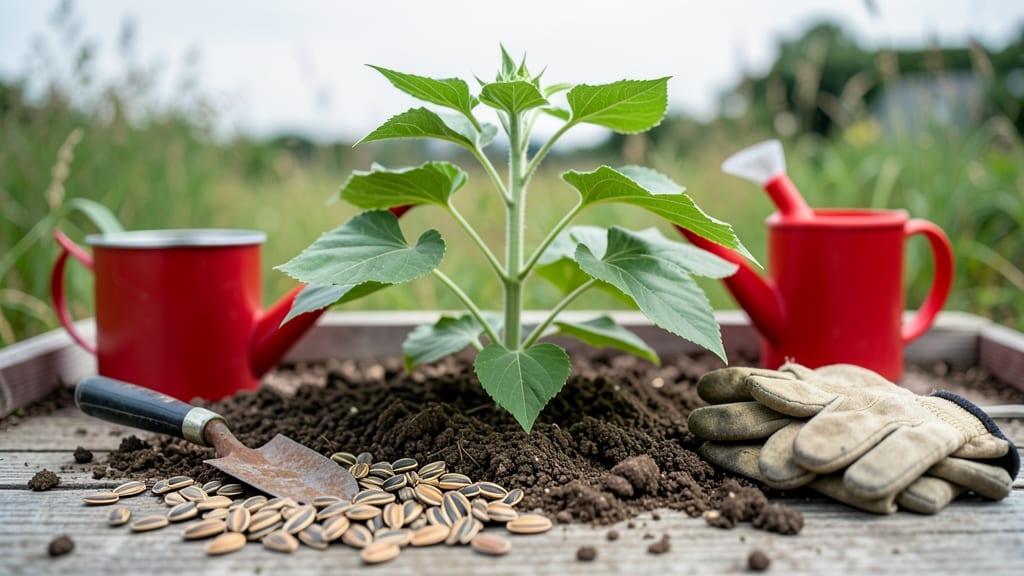
Plant sunflower seeds in Indiana between mid-April and mid-June for the best chance at towering blooms 🌻 — timing this right means the difference between a thriving garden and plants that struggle in the heat.
You’ve probably seen sunflowers that look like they’re fighting for their life, all leggy and weak, while others stand tall and proud. That’s not just luck—it’s about planting them when the soil is warm enough and the frost is truly behind you.
Indiana’s Zone 6a climate gives you a 165-day growing season, but those extra weeks only work if you start at the right time. Too early, and a late frost will take them out; too late, and they’ll bolt before they mature.
Here’s exactly how to pinpoint your planting window, plus 5 pro tips to keep your sunflowers thriving from seed to harvest—no guesswork, just results.
Indiana sunflower planting calendar: exact dates by Zone 5-6
Indiana’s Zone 5-6 climate means your sunflower planting window varies by northern vs. southern regions. The key is planting after the last frost date, when soil temperatures hit 50-60°F.
Northern Indiana’s last frost typically lands around April 15, while southern areas can start as early as March 30. Use these dates as your starting point, but always verify with local heat maps for precision.
For direct sowing, aim for mid-April to mid-June—this gives you flexibility for early, mid-season, and late varieties. Early bloomers like 'Teddy Bear' (dwarf variety) can handle cooler soils, while 'Mammoth Russian' giants need warmer conditions.
Transplanting seedlings should happen 2-3 weeks after your last frost date to avoid shock.
Here’s how to adjust your planting based on Indiana’s microclimates. Southern Indiana’s warmer zones (like Evansville) can start 2 weeks earlier than northern areas (like South BendUSDA Zone for finer details—Zone 5b (northern) vs. Zone 6a (southern) makes a difference of 7-10 days in your frost-free window.
🌱 Pro Tip: Use a soil thermometer to confirm readiness. Sunflower seeds need 50°F+ soil to germinate reliably. If your soil is cooler, wait—rushing leads to poor germination and stunted growth. Patience here pays off with taller, healthier plants.
| Planting Method | Zone 5 (Northern IN) | Zone 6 (Southern IN) | Soil Temp Threshold | Notes |
|---|---|---|---|---|
| Direct Sowing (Early Varieties) | April 15–May 1 | March 30–April 15 | 50°F+ | Best for 'Teddy Bear' or 'Little Becka'. |
| Direct Sowing (Mid-Season) | May 1–May 15 | April 15–April 30 | 55°F+ | Ideal for 'Autumn Beauty' or 'ProCut'. |
| Direct Sowing (Late Varieties) | May 15–June 1 | April 30–May 15 | 60°F+ | Best for 'Mammoth Russian' or 'Russian Giant'. |
| Transplanting Seedlings | May 1–May 15 | April 15–April 30 | 55°F+ | Hardened-off seedlings only; avoid late frosts. |
| Extending the Season | June 1–July 1 | May 15–June 1 | 60°F+ | Use dwarf varieties for late harvests. |
If you’re planting transplants, start seeds indoors 4-6 weeks before your last frost date. For Zone 5, that means mid-March, while Zone 6 gardeners can begin late February.
Use grow lights to prevent leggy seedlings, and harden them off for 7-10 days before transplanting. This method gives you a 2-week head start on direct sowing.
Indiana’s variable weather can throw off your timing. Always monitor 7-day forecasts and have row covers ready for late fro
5 Critical factors that determine your sunflower planting success in Indiana
Indiana’s clay-heavy soils and variable spring weather can make sunflower planting tricky, but mastering these 5 critical factors will ensure your seeds sprout strong and healthy. First, let’s tackle soil preparation—the foundation of every thriving sunflower garden.
Indiana’s heavy clay retains too much moisture, which can suffocate roots, so amending with compost or sand is essential before planting.
Next, sunlight exposure is non-negotiable. Sunflowers demand 6-8 hours of direct sun daily, and Indiana’s Zone 5-6 climate provides plenty of it—but only if you plant in the right spot.
Avoid shady corners or areas near tall trees that cast long shadows. Even partial shade can stunt growth and reduce those iconic golden blooms you’re craving.
- 🌡️ Soil Temperature: Wait until soil reaches 50-60°F (use a soil thermometer). Indiana’s late springs often delay this past mid-May in northern regions.
- 💧 Moisture Balance: Clay soils need 1-2 inches of water weekly but avoid waterlogging. Drip irrigation works best to keep roots consistently moist without over-saturating.
- ☀️ Sunlight Spot: Choose south-facing beds with no afternoon shade. Even 1 hour less sun can reduce flower size by 30%.
- 🌱 Companion Plants: Pair sunflowers with basil or marigolds to repel pests like aphids. Avoid planting near potatoes or fennel, which stunt growth.
- 🌾 Variety Selection: For Indiana’s short growing season, choose early-maturing varieties like ‘Autumn Beauty’ (55 days) or ‘Moulin Rouge’ (60 days) over tall types like ‘Russian Giant’ (120+ days).
Don’t overlook moisture management, especially in Indiana’s humid summers. While sunflowers are drought-tolerant once established, young seedlings need consistent moisture to prevent cracking. Mulch with straw or wood chips to retain humidity and suppress weeds, which compete for nutrients.
I’ve seen sunflowers wilt dramatically in just 2 days during Indiana’s sudden heatwaves if they’re not properly hydrated.
Another game-changer is companion planting. Sunflowers thrive when paired with nitrogen-fixing plants like beans or peas, which improve soil health. However, avoid planting them near tomatoes or corn, as they share pests.
My go-to combo is sunflowers with basil—the basil deters aphids, while the sunflowers provide shade to keep the soil cool. This simple trick has doubled my yield in past seasons.
Finally, choose the right variety for Indiana’s 165-day growing season. Tall varieties like ‘Russian Giant’ need 120+ days to mature, which may not work in northern Indiana’s shorter summers.
Instead, opt for dwarf or mid-height varieties like ‘Teddy Bear’ (3-4 ft tall) or ‘ProCut’ (5 ft tall), which bloom faster and are less prone to wind damage during Indiana’s stormy summers.
With these 5 factors mastered, your sunflowers will shoot up like Indiana cornfields in July. Remember: the key is preparation—amend that clay soil, pick the sunniest spot, and pair your plants wisely. Soon, you’ll be harvesting bountiful blooms that rival the Hoosier State’s golden fields. 🌻