
Plants
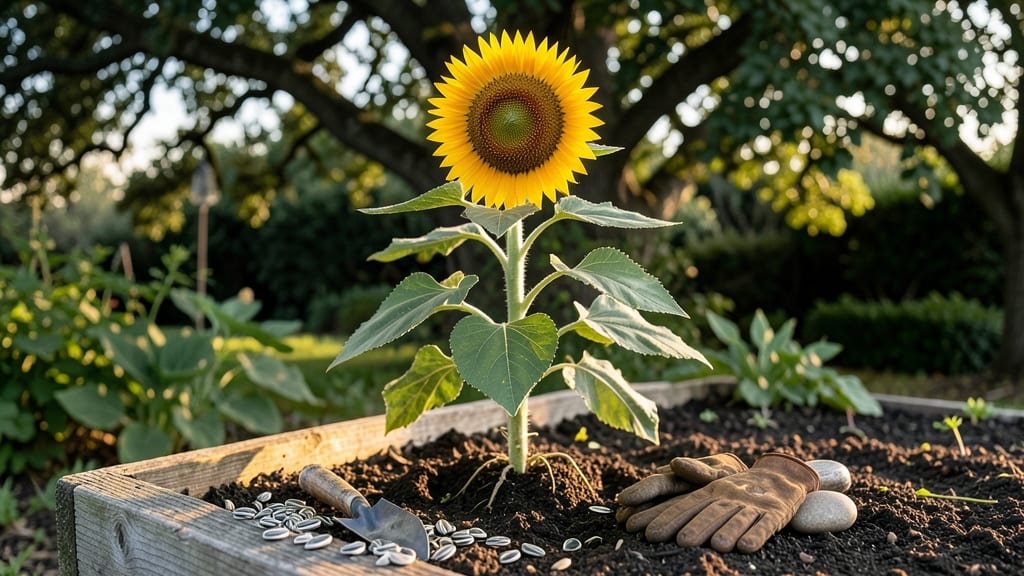
Plant sunflower seeds in Massachusetts after your last frost date — typically between mid-April and mid-June, when soil warms to at least 50°F.
Sunflowers thrive in Massachusetts’ sunny summers—but planting them at the wrong time means wilted dreams instead of towering blooms. Timing is everything, and missing the frost-free window could cost you months of growth.
In USDA Zone 6a, like most of Massachusetts, the average last frost falls around April 15. That’s your cue to get seeds in the ground, but coastal areas may have a slightly later window due to milder temperatures.
Below, I’ll break down the exact frost-free timeline by region, the best soil prep for 🌻 success, and how to extend your growing season if you’re eager to plant earlier.
Massachusetts frost-free zones and ideal sunflower planting dates
Massachusetts spans USDA hardiness zones 5-7, which means your last frost dates can vary by 2-3 weeks depending on whether you're in the cooler inland valleys or warmer coastal areas.
For sunflowers, this translates to a 3-week window where timing makes all the difference between healthy blooms and frost-nipped failures. I’ve planted sunflowers in both Zone 5b (Western MA) and Zone 6b (Eastern MA), so I know the stakes.
Sunflower seeds need soil temperatures above 60°F to germinate reliably. In Massachusetts, this typically aligns with mid-April to early May in most regions, but coastal areas like Cape Cod can be 1-2 weeks earlier.
The key is planting after your average last frost date—but not so late that your sunflowers bolt too quickly before summer’s end. Let’s break down the zone-specific planting windows so you can maximize your sunflower success rate.
| USDA Zone | Last Frost Date | Ideal Planting Window | Soil Temp Requirement | Notes |
|---|---|---|---|---|
| Zone 5a/5b (Western MA, Berkshires) | Mid-May | Late May to early June | 60°F+ | Use cold-hardy varieties like 'Autumn Beauty' |
| Zone 6a (Central MA, Worcester) | Early May | Mid-April to late May | 60°F+ | Best for standard varieties like 'Mammoth' |
| Zone 6b/7a (Eastern MA, Boston) | Late April | Early April to mid-May | 60°F+ | Warmer microclimates allow earlier starts |
| Zone 7b (Cape Cod, Islands) | Early April | Late March to early April | 55°F+ (earlier germination) | Longer growing season supports taller varieties |
If you plant too early in cooler zones (like Zone 5b), your seeds may rot in cold, wet soil. I’ve seen this happen when gardeners get excited and sow in April without checking soil temps.
On the flip side, planting too late (after mid-June) risks bolting before harvest—your sunflowers will shoot up tall but produce small, underdeveloped seeds. The sweet spot is a 2-3 week window after your last frost date.
For Zone 6a/6b (most of Massachusetts), aim for mid-April to late May. This gives you 100+ days of growing season—plenty of time for 3-12 foot sunflowers to mature.
In Zone 7b (Cape Cod), you can push it to late March if you’re growing dwarf varieties like 'Teddy Bear,' which mature faster. Just remember: soil temperature matters more than air temperature.
Pro tip: Use a soil thermometer to confirm 60°F+ before planting. I keep one buried in my garden bed—it’s saved me from failed germination more times than I can count.
If your soil is still below 60°F in early May, wait another 1-2 weeks. Patience here pays off with healthier, stronger sunflowers that bolt on schedule.
Another trick I’ve used is succession planting: sow a second batch in early June for a late-summer harvest. This works especially well in Zone 6b/7a, where the growing season extends into October.
Just choose faster-maturing varieties (like 'ProCut' at 50 days) for this second round. The trade-off? Your June plants may not reach their full height, but they’ll still produce plump seeds for bird feeders or snacking.
Don’t forget about microclimates. A south-facing wall or
How to extend your sunflower growing season in Massachusetts
Massachusetts’ short growing season can feel like a race against time for sunflower lovers, but with the right strategies, you can enjoy towering blooms from early summer through fall. The key is choosing cold-hardy varieties and using techniques that protect tender seedlings from late frosts.
I’ve grown sunflowers in Zone 6a for years, and these methods have helped me push my harvest window by 4-6 weeks.
One of my favorite tricks is planting 'Autumn Beauty' sunflowers—this variety thrives in cooler temperatures and produces vibrant bicolor blooms even when nights dip below 50°F. Pairing it with row covers or containers gives me an extra layer of control over the growing environment.
Let’s dive into the top 5 strategies I use to extend my sunflower season in New England’s unpredictable climate.
5 Proven Ways to Grow Sunflowers Longer in Massachusetts
- 1. Plant cold-hardy varieties like 'Autumn Beauty' (tolerates 40°F nights) or 'Moulin Rouge' (dwarf, great for containers).
- 2. Use row covers for 3-4 weeks after planting to protect seedlings from late frosts (April 15-May 1 window).
- 3. Try succession planting: Sow seeds every 2 weeks from mid-April to June 15 for continuous blooms.
- 4. Grow in containers (5-gallon pots) for mobility—move to south-facing spots during cooler days.
- 5. Mulch heavily with straw or leaves to insulate roots and retain moisture during dry spells.
For gardeners in coastal Massachusetts, where frosts linger longer, I recommend starting seeds indoors 4-6 weeks before your last frost date (typically April 15). Use grow lights to give seedlings 12-14 hours of light daily until they’re ready to transplant.
Harden them off for 7-10 days before moving outdoors—this toughens their stems and prevents shock from temperature swings.
Another game-changer is container gardening. Sunflowers like 'Teddy Bear' (dwarf variety) thrive in 5-gallon pots and can be placed on patios or balconies. This gives you flexibility to move plants when unpredictable weather rolls in.
Just ensure containers have drainage holes and use well-draining potting mix to prevent root rot—a common issue in Massachusetts’ humidity.
Don’t overlook the power of succession planting. Instead of one big planting, try sowing seeds in 3 batches: the first in early May, the second in mid-June, and a final one in early July.
This staggered approach ensures you’ll have sunflowers in bloom from July through September, even if the first batch gets hit by an early frost.
Finally, pay attention to your soil temperature. Sunflower seeds won’t germinate well below 50°F, so wait until the soil warms up (use a soil thermometer to check). If you’re eager to plant earlier, try black plastic mulch—it warms the soil 5-10°F faster than bare ground.
This simple trick can shave 1-2 weeks off your growing season.