
Flowers
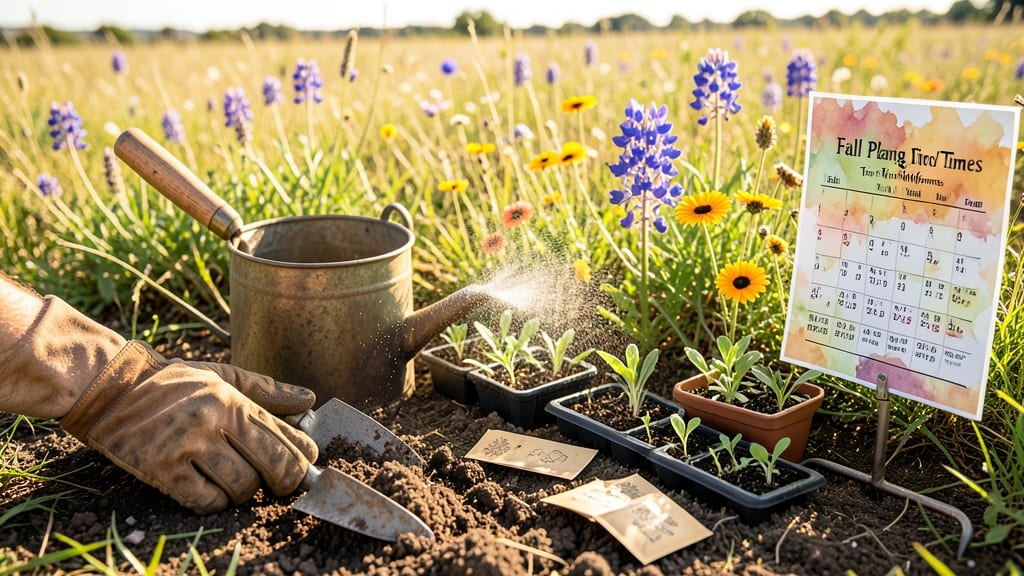
Plant wildflower seeds in Texas between September and November for fall blooms or February and March for spring color—timing this right means the difference between a thriving meadow and a patch of dirt.
If you’ve ever watched your wildflower seeds sprout only to wilt under a late frost or bake in summer heat, you know how critical the window is. Texas’s varied frost zones—from North Texas’s 7a-8b to South Texas’s 9a-10b—demand precision.
Fall planting lets seeds establish roots before winter, while spring gives them a head start before the scorching heat arrives. The key? Soil temps above 60°F and avoiding the first hard frost, which can kill tender seedlings overnight.
Below, I’ll break down the exact frost-free deadlines by zone, the best wildflower varieties for Texas heat, and pro tips to keep your 🌼 garden blooming year after year—no guesswork required.
Texas wildflower planting deadlines by frost zone (2024 guide)
Timing your wildflower planting in Texas can mean the difference between a vibrant meadow and a disappointing patch of dirt—get it wrong, and you’ll miss peak bloom seasons entirely. Texas gardeners face unique challenges with its extreme heat, unpredictable rain, and varied frost zones.
This guide breaks down the exact frost-free windows for planting wildflower seeds across Texas—plus pro tips to maximize success.
Texas spans USDA zones 6a to 10b, meaning frost dates vary dramatically from North to South. Planting too early risks frost damage, while waiting too long can stress seeds during summer heat.
The key is understanding your local frost-free dates and matching them with ideal soil temperatures for seed germination.
Here’s the critical comparison for Texas regions, including last frost dates, ideal planting windows, and soil temperature requirements for wildflower seeds:
Spring: Feb 15–March 15
Spring: Feb 1–March 10
Spring: Jan 15–March 1
Spring: Feb 15–March 30
Spring: Jan 1–March 15
Spring: Jan 1–April 1
For North Texas (USDA 7a-8b), aim to plant wildflower seeds between mid-September and mid-November for fall germination and spring blooms. If planting in spring, wait until after the average last frost date of March 15 to avoid frost damage. Soil temperatures should ideally be between 50–60°F for optimal germination.
In Central Texas (USDA 8a-9a), you have a slightly longer window—plant from September 15 to November 30 for fall blooms or February 15 to March 30 for spring planting.
Central Texas’s milder winters allow for later fall plantings, but avoid waiting past November 15 to prevent winter stress on emerging seedlings.
South Texas gardeners enjoy the longest frost-free season. Plant from mid-August to December 1 for fall blooms or January 1 to April 1 for spring/summer color. Soil temperatures here often stay above 60°F, making summer planting possible with consistent moisture. Mexican Feather Grass and Lantana thrive in these conditions.
Pro tip: Use a soil thermometer to confirm temperatures before planting. Wildflower seeds need consistent moisture but hate soggy soil. Water gently after planting, then reduce frequency as seedlings establish. Mulch lightly to retain moisture without suffocating seeds.
Remember, Texas’s unpredictable weather means local microclimates matter. A south-facing slope warms faster in spring, while low-lying areas may experience frost later. Always monitor your garden’s unique conditions and adjust planting dates accordingly.
By following these frost-free
Best wildflower seed varieties for Texas seasons (and when to plant them)
Texas wildflowers thrive when planted at the right time, aligning with their natural growth cycles and the state's unpredictable climate. The key is understanding seasonal windows—fall for cool-season blooms and spring for heat-lovers.
My favorite Texas natives like Bluebonnets and Blackfoot Daisy perform best when sown just before winter rains or after the last frost.
Each season offers unique opportunities. Fall planting (September–November) gives seeds time to establish roots before winter, while spring planting (February–March) capitalizes on Texas' sudden warmth. Summer planting (June–July) is riskier but rewards patient gardeners with late-season blooms.
Let’s dive into the best varieties for each season and how to pair them for a pollinator paradise.
-
1.
Fall Planting (Sept–Nov)
Best for: Bluebonnets, Indian Paintbrush, Coreopsis (drought-resistant, blooms Feb–April) -
2.
Spring Planting (Feb–March)
Best for: Blackfoot Daisy, Prairie Verbena, Winecups (heat-tolerant, blooms May–July) -
3.
Summer Planting (June–July)
Best for: Mexican Feather Grass, Salvia (shade-tolerant, blooms Aug–Oct)
For fall planting, I recommend starting with Bluebonnets—Texas’ official state flower—sown between September and October. These drought-tolerant beauties need minimal care once established and reward gardeners with vibrant purple blooms in early spring.
Pair them with Indian Paintbrush for a striking red-orange contrast, or add Coreopsis to attract butterflies.
Spring lovers should focus on Blackfoot Daisy and Prairie Verbena, both of which thrive when planted in February or early March. These heat-resistant wildflowers bloom from May through July, providing late-season color when many other plants fade.
I’ve found that Winecups (also called Poppy Mallow) add a whimsical touch with their cup-shaped blooms and pair beautifully with Lantana for a pollinator buffet.
If you’re brave enough to try summer planting, Mexican Feather Grass and Salvia are my top picks.
Sow these shade-tolerant varieties in June or July for late-season blooms that extend your garden’s life into autumn. Salvia, in particular, thrives in partial shade and attracts hummingbirds—perfect for Texas’ intense summer sun.
Remember, drought tolerance is non-negotiable in Texas. All these varieties thrive with minimal watering once established, making them ideal for low-maintenance gardens. For best results, prepare your soil with compost and avoid overwatering—Texas wildflowers hate soggy roots!
Plant in full sun (6+ hours daily) and watch your meadow transform into a pollinator paradise.