
Companion Plants
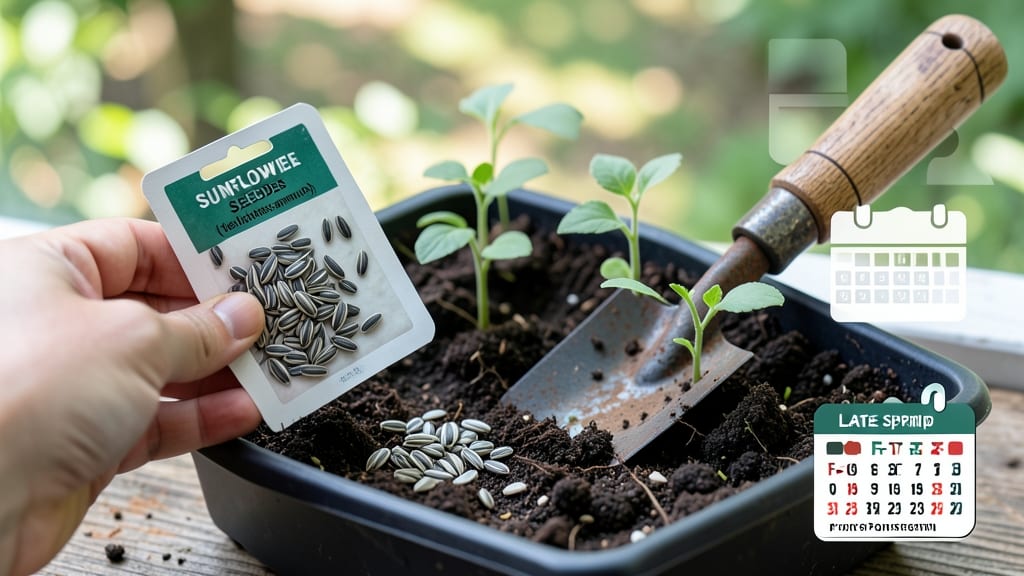
Planting sunflower seeds in Pennsylvania after the last frost—typically mid-April to mid-June—sets the stage for towering, vibrant blooms that brighten gardens from summer through fall.
But here’s the catch: timing isn’t just about the calendar. In Zone 5b, a late frost can still nip delicate seedlings, while in Zone 7a, the heat arrives early, shrinking the window for those iconic 10-foot giants.
Miss the mark, and you’ll end up with stunted stems or seeds that never fully mature.
This guide breaks down the exact dates by USDA zone, soil temperature thresholds, and how to adjust for Pennsylvania’s microclimates—whether you’re in the cool valleys or warmer city pockets.
You’ll also learn how to stretch your growing season with simple tricks, like choosing fast-maturing varieties or using row covers for early starts.
Ready to grow sunflowers that thrive? We’ll cover everything from seed prep to harvest, so your garden becomes a sunlit spectacle by August.
Pennsylvania sunflower planting calendar by USDA Zone: exact dates for maximum yield
Pennsylvania’s diverse USDA zones 5a-7a create unique planting windows for sunflowers. From the cooler Poconos (Zone 5a) to the warmer Delaware Valley (Zone 7a), timing directly impacts your sunflowers’ height and bloom potential.
The key is planting after the last frost date—typically mid-April to late May—when soil temperatures reach at least 55°F (13°C) for optimal germination.
Sunflowers are fast growers, maturing in 70-120 days, but they need 6-8 hours of full sun daily.
In Zone 5a, you’ll have a shorter window (late May to early July) compared to Zone 7a, where you can plant as late as mid-June and still enjoy blooms before frost. Below, I’ve broken down the exact dates and methods for each zone to maximize your yield.
In Zone 5a, where frost lingers longer, I recommend starting seeds indoors 3-4 weeks before your last frost date. Use grow lights to provide 12-14 hours of light daily until seedlings are 2-3 inches tall.
Transplant them outdoors after hardening off for 7-10 days. For Zone 7a, you can even try two plantings: one in early April and another in late June for a staggered harvest.
Soil temperature is critical—sunflower seeds won’t germinate well below 50°F (10°C). Use a soil thermometer to monitor conditions. If your soil is too cold, try black plastic mulch or straw covers to warm it up.
In Zone 6a and 6b, where temperatures fluctuate, I’ve found that direct sowing in early April (with row covers) often yields healthier plants than waiting for warmer soil.
For transplanting, whether from indoor starts or nursery plants, avoid disturbing the root ball. Dig a hole twice as wide as the root system and water deeply before and after planting.
In Zone 5a and 5b, I’ve had the most success with dwarf varieties like 'Moulin Rouge' (3-4 feet tall), as they mature faster and are less
How to extend your sunflower growing season in Pennsylvania: tips for early/late planting
Pennsylvania’s short but intense summers can feel like a race against time for sunflower lovers. The ideal 60- to 90-day window between last frost (mid-April) and first frost (mid-October) leaves little room for error.
But with the right strategies, you can push your sunflowers to thrive beyond the traditional schedule—whether you’re aiming for early blooms or late harvests.
Extending your growing season isn’t just about planting earlier or later—it’s about protecting vulnerable stages and choosing varieties that play by your timeline. For example, ‘Moulin Rouge’ matures in just 50 days, while ‘Russian Giant’ can take up to 120 days.
The key is matching your goals to the right variety and using frost protection tools like row covers or cloches to shield young plants.
Here’s the pros and cons of early versus late planting in Pennsylvania, plus the tools and techniques to make it work:
Early Planting (March - Early April)
- Longer bloom time for cut flowers
- Early pollinator support for bees
- Soil warming from spring sun
- Frost risk to seedlings (Zone 5a)
- Slower germination in cold soil
- Pests emerge earlier (e.g., sunflower moths)
Late Planting (June - Early July)
- Avoids early pests like aphids
- Warmer soil speeds germination
- Longer daylight boosts growth
- Shorter harvest window before frost
- Smaller blooms if planted too late
- Competes with weeds for nutrients
For early plantings, start seeds indoors 4-6 weeks before your last frost date using grow lights to mimic sunlight. Transplant seedlings outdoors only after soil reaches 55°F, and use row covers to protect them until they’re 6 inches tall.
In Zone 5a, this might mean waiting until May 1 to plant outdoors, even if you started seeds in March.
Late plantings require fast-maturing varieties like ‘Teddy Bear’ (55 days) or ‘Autumn Beauty’ (60 days). Plant these in early July for a late-summer harvest before the first frost. Pair them with drought-tolerant companions like marigolds to deter pests and conserve moisture.
Avoid these common mistakes that sabotage extended seasons: planting seeds too deep (max 1 inch), ignoring microclimates (e.g., south-facing slopes warm faster), or using heavy soils that retain too much moisture. Instead, amend soil with compost and plant in raised beds for better drainage.
With these strategies, you can enjoy sunflowers from May to October—or even longer in Zone 7a. Experiment with succession planting every 2-3 weeks for a continuous display of golden blooms all season long. 🌻