
Plants
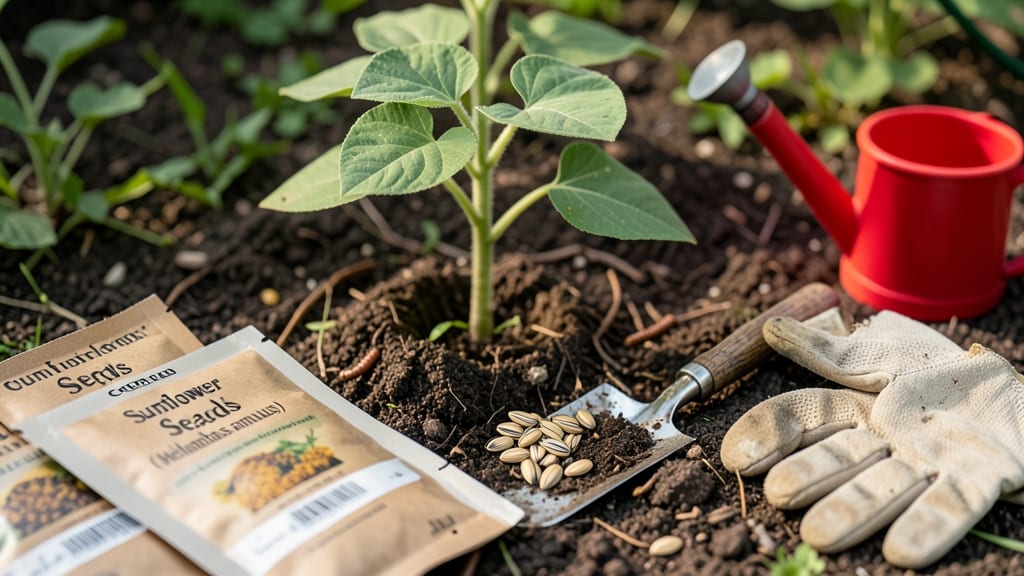
Planting sunflower seeds in Wisconsin after the last frost date is the key to towering 🌻 blooms that last from July to October.
Wisconsin gardeners know timing is everything—plant too early, and frost will strike; too late, and your blooms may miss peak summer beauty. Get the perfect frost-free window for your county to grow sunflowers that thrive from seed to towering sunburst.
In USDA zones 4a-6b, the ideal window stretches from mid-April in southern Wisconsin to late May in the north, aligning with soil temperatures above 60°F. This timing ensures strong germination and robust growth before Wisconsin’s unpredictable late frosts.
Below, I’ll break down county-specific planting dates, soil prep tips, and spacing tricks to maximize your sunflower’s potential—so you can enjoy those golden faces all season long.
Wisconsin sunflower planting timeline by county: frost-free dates and ideal windows
Wisconsin’s diverse climate means your sunflower planting window can vary by 1000+ miles—from late April in southern counties to late May in the north. Understanding your last frost date and soil temperature thresholds (at least 60°F) ensures your seeds sprout strong and healthy.
I’ll break down the ideal planting windows by county, plus which sunflower varieties thrive best in your region.
For southern Wisconsin (counties like Dane, Walworth, and Racine), start sowing seeds mid-April to early May when soil warms to 60°F+. Northern counties (like Burnett, Douglas, or Ashland) should wait until late May to early June to avoid frost damage.
Even a light frost can kill young seedlings, so timing is everything for those giant sunflowers reaching 10+ feet tall.
Use this county-specific guide to align your planting with Wisconsin’s frost-free dates.
For example, Milwaukee gardeners can start seeds indoors in late March for an early May transplant, while Eau Claire residents should wait until mid-May to sow directly outdoors. Oilseed varieties like ProCut need a longer growing season, so they’re best for northern counties with 160+ frost-free days.
Check your local frost dates using the Wisconsin State Climatology Office’s interactive map (link in resources). If you’re unsure, err on the side of planting later—sunflowers tolerate heat better than cold snaps.
For container gardening, move pots to a sheltered spot if nighttime temps dip below 50°F after planting.
For dwarf varieties (like Teddy Bear or Sunspot), you can plant seeds 2 weeks earlier than giant types, as they mature faster (50–60 days vs. 90–120 days).
These are perfect for urban gardens or small spaces where height is a concern. Giant sunflowers (like Mammoth) need the full 120–140 days to reach their towering heights, so timing is critical.
Once your seeds are in the ground, monitor soil moisture—sunflowers need 1–2 gallons of water per plant weekly during dry spells. Mulch around the base to retain moisture and suppress weeds, which compete for nutrients.
If you notice yellowing leaves after planting, it could signal overwatering or poor drainage, common in Wisconsin’s clay-heavy soils.
Pro tip: Mark your planting dates on a calendar and set reminders for thinning seedlings (when they’re 2–3 inches tall) to give each plant 12–18 inches of space.
Overcrowding leads to taller, weaker stems that flop in wind or rain. Succession planting every 2 weeks ensures continuous blooms from July to October, extending your garden’s seasonal interest.
If you’re in a microclimate (like a south-facing slope or urban heat island), you can plant 1–2 weeks earlier than the county average. These areas warm up faster, giving your sunflowers a head start.
Just keep an eye on nighttime temperatures—if they drop below 50°F, use a row cover to protect young plants.
For late-summer blooms, try succession planting in early July with fast-maturing varieties like Sunspot (50 days). This ensures fresh flowers when goldenrod and asters
How to adjust sunflower planting for Wisconsin’s microclimates and soil conditions
Wisconsin’s diverse microclimates and soil types demand creative adjustments to grow sunflowers successfully. Urban gardeners with limited space can thrive with container planting, while rural areas with sandy soils need extra drainage. Let’s tackle these challenges with practical solutions tailored to your growing conditions.
For urban gardeners in Milwaukee or Madison, container sunflowers are a game-changer. Use large pots (at least 12 inches deep) with drainage holes to prevent root rot.
Dwarf varieties like 'Teddy Bear' (2–3 feet tall) are perfect for balconies or small patios, while 'Autumn Beauty' mixes can fit in 18-inch pots.
In sandy soils common to northern Wisconsin, water drains too quickly, leaving roots thirsty. Amend your soil with 2–3 inches of compost before planting to retain moisture. Mulch with straw or wood chips to slow evaporation and keep roots cool.
For extra insurance, plant in raised beds filled with a mix of topsoil and compost.
🌱 Wisconsin Sunflower Planting Adjustments by Condition
| Condition | Solution | Timing Tip |
|---|---|---|
| Urban Gardens | Use 12"+ pots, dwarf varieties | Plant after May 15 (late frost risk) |
| Sandy Soil | Add compost + mulch | Start seeds indoors by April 1 |
| Late Frost Risk | Use row covers until May 20 | Wait for soil temp 60°F+ |
Late-spring frosts in Wisconsin’s northern counties (like Chippewa or Douglas) can devastate young sunflowers. Protect seedlings with floating row covers until the average last frost date (around May 20).
For extra warmth, use black plastic mulch to absorb sunlight and accelerate soil warming. Remove covers once plants reach 6 inches tall to avoid overheating.
Extend your sunflower season with succession planting. Sow a second batch of seeds 4–6 weeks after your first planting to enjoy blooms from July through September. Choose fast-maturing varieties like 'Moulin Rouge' (55–60 days) for early harvests, or 'Russian Giant' (100+ days) for late-season giants.
Deter squirrels and birds from snacking on your sunflower seeds with companion planting. Surround your sunflowers with marigolds or nasturtiums to repel pests naturally. For extra protection, cover seeds with chicken wire cages until sprouts emerge. Once established, sunflowers’ height makes them less vulnerable, but early support is key.