
Flowers
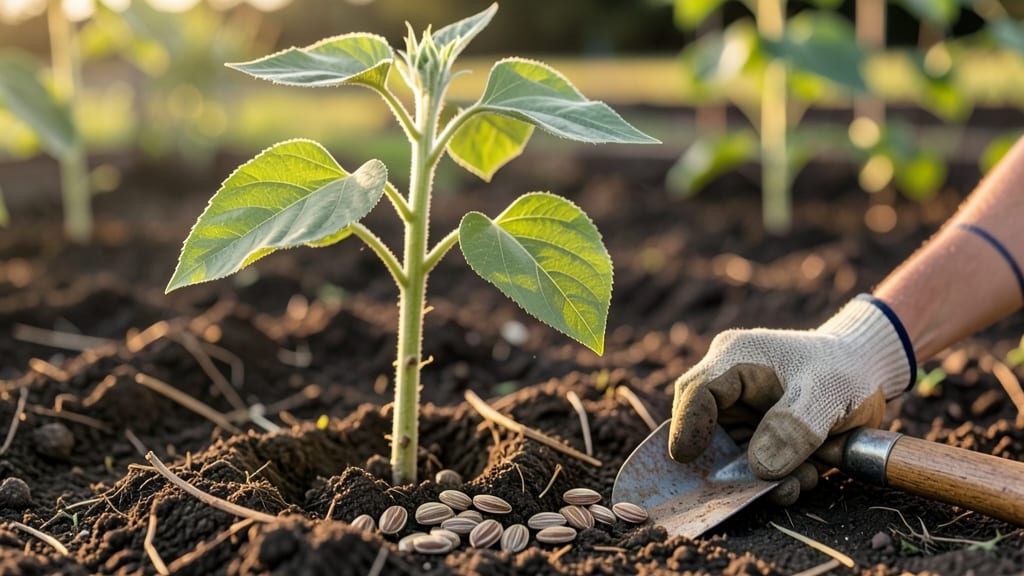
Plant sunflowers in Central Florida between February and April for spring blooms, or August to September for a fall display—timing that avoids frost and heat stress.
Sunflowers bring vibrant color and joy to Central Florida gardens—but planting them at the wrong time means short-lived blooms or stunted growth. Timing is everything, especially when Florida’s unpredictable weather can turn a thriving garden into a casualty overnight.
In USDA Zones 9a-10a, frost is rare but possible, and summer heat can scorch young plants. The key is planting when soil temperatures hit 50°F—early enough to avoid frost, but not so early that seedlings struggle in heat.
Inside, you’ll find the exact planting windows for Orlando, Tampa, and Gainesville, plus tips for soil prep, watering schedules, and choosing the best sunflower varieties for Florida’s climate.
Central Florida sunflower planting dates: frost-free window explained
Central Florida’s frost-free window runs from mid-January through mid-December, but sunflowers thrive best when planted during two key periods: early spring and late summer. The USDA Zones 9a-10a mean we rarely see frost, but temperature swings and heat waves still impact planting success.
Let’s break down the optimal windows for each of Central Florida’s microclimates—Orlando, Tampa, and Gainesville—to ensure your sunflowers bloom beautifully.
Sunflowers are heat-loving plants, but they struggle in extreme summer heat (June-July) when temperatures exceed 90°F for prolonged periods.
The ideal soil temperature for planting is 50°F or warmer, which typically occurs in February-March for spring planting and August-September for fall planting. Planting too early risks stunted growth, while planting too late may shorten bloom time before winter’s chill arrives.
Here’s a microclimate-specific breakdown of when to plant sunflowers in Central Florida to maximize bloom season and avoid heat stress:
| Microclimate | Optimal Planting Window | Soil Temp Threshold | Bloom Season | Heat Tolerance Notes |
|---|---|---|---|---|
| Orlando | Feb 15 - Mar 31, Aug 15 - Sep 30 | 50°F+ | May-June, Oct-Nov | Moderate heat; avoid June-July |
| Tampa | Feb 1 - Mar 15, Aug 1 - Sep 15 | 55°F+ (warmer soil) | Apr-May, Sep-Oct | Higher humidity; needs airflow |
| Gainesville | Mar 1 - Apr 15, Aug 30 - Sep 20 | 50°F+ (cooler nights) | May-June, Oct | Cooler nights; slower growth |
In Orlando, the longest frost-free window allows for two full bloom seasons: one in late spring and another in fall. The soil warms quickly by February, making it safe to plant dwarf varieties as early as mid-February for early blooms.
For taller varieties, wait until March to avoid heat stress later in the season.
Tampa’s warmer microclimate means sunflowers can handle earlier planting, but the higher humidity increases the risk of powdery mildew.
Plant dwarf or semi-dwarf varieties in February for spring blooms, and choose disease-resistant varieties like 'Moulin Rouge' or 'Teddy Bear'. Avoid planting in July—the combination of heat and humidity can stress young plants.
Gainesville’s cooler nights and slightly shorter growing season require a later start. Wait until March for spring planting to ensure soil stays warm enough for germination.
For fall blooms, plant by late August to give flowers time to mature before cooler weather arrives. Mulch heavily to retain soil warmth and protect roots.
Sunflowers in Central Florida love heat, but they can’t handle extreme conditions.
If you plant in late summer (August-September), choose heat-tolerant varieties like 'Autumn Beauty' or 'Russian Giant'. Water deeply every 3-5 days and avoid overhead watering to prevent fungal diseases. Morning watering is key—it reduces evaporation and gives leaves time to dry before nightfall.
For succession planting, sow new seeds every 2-3 weeks from February through April and August through September.
This extends your bloom season and ensures continuous color in your garden. Harvest seeds from fall-planted sunflowers for next year’s garden—just wait until seed heads turn fully brown and feel dry.
Remember, Central Florida’s unpredictable weather can throw off even the best-laid plans. Monitor local forecasts and adjust planting dates if unseasonable cold or prolonged heat waves are forecasted. With the right timing and care, your sunflowers will reward you with towering blooms that brighten up any garden. 🌻
How to adjust sunflower planting for Central Florida’s heat zones
Central Florida’s microclimates create dramatic differences in sunflower success. Tampa’s hotter summers (Zone 10a) demand different strategies than Ocala’s cooler highlands (Zone 9a). The key? Adjusting planting timing, shade protection, and watering schedules to match your specific heat zone.
I’ve grown sunflowers in both areas and learned these critical adjustments firsthand.
In hotter zones like Tampa, sunflowers planted in late summer (August-September) thrive with afternoon shade, while cooler areas like Ocala benefit from spring planting (February-March). The right variety also makes all the difference—some handle Florida’s humidity and heat better than others. Let’s break down the best approaches for each zone.
| Heat Zone | Best Planting Window | Recommended Varieties | Shade Needs | Watering Schedule |
|---|---|---|---|---|
| Hot Zones (Tampa, St. Petersburg) | August 15 - September 15 | Autumn Booster, ProCut Hybrid | Afternoon shade (3-6 PM) | Deep water every 5-7 days |
| Moderate Zones (Orlando, Kissimmee) | February 15 - April 1 or August 1 - September 15 | Moulin Rouge, Teddy Bear | None (full sun preferred) | Every 3-4 days (spring), every 5-7 days (fall) |
| Cooler Zones (Ocala, Gainesville) | February 1 - March 15 | Russian Giant, Lemon Queen | None (full sun) | Every 3-5 days (spring only) |
For Tampa’s heat zones, I recommend succession planting in late August to catch the fall bloom window before temperatures drop. Use lightweight shade cloth (30-50%) during peak afternoon heat to prevent wilting. Varieties like Autumn Booster are bred for heat tolerance and produce blooms even in 95°F+ temperatures.
In cooler Ocala, focus on early spring planting to avoid summer’s oppressive heat. Russian Giant sunflowers thrive here but need consistent moisture during Florida’s dry spells. Mulch with straw or wood chips to retain soil moisture and prevent weeds from competing for nutrients.
One critical mistake I’ve seen is planting standard varieties in Tampa’s heat without shade. Dwarf varieties like Teddy Bear handle heat better but may not reach full height potential.
For maximum blooms, pair late-summer planting with drip irrigation to deliver water directly to roots—this prevents fungal issues from overhead watering.
Remember: Florida’s humidity accelerates pest and disease pressure. Monitor for sunflower moths and powdery mildew, especially in shaded conditions. A weekly neem oil spray keeps pests at bay while supporting longer bloom times.
By adjusting your approach to match your local heat zone, you’ll enjoy sunflowers blooming from spring to fall—even in Florida’s most challenging climates. Start with the right variety, time your plantings carefully, and protect your plants from extreme heat.