
Flowers
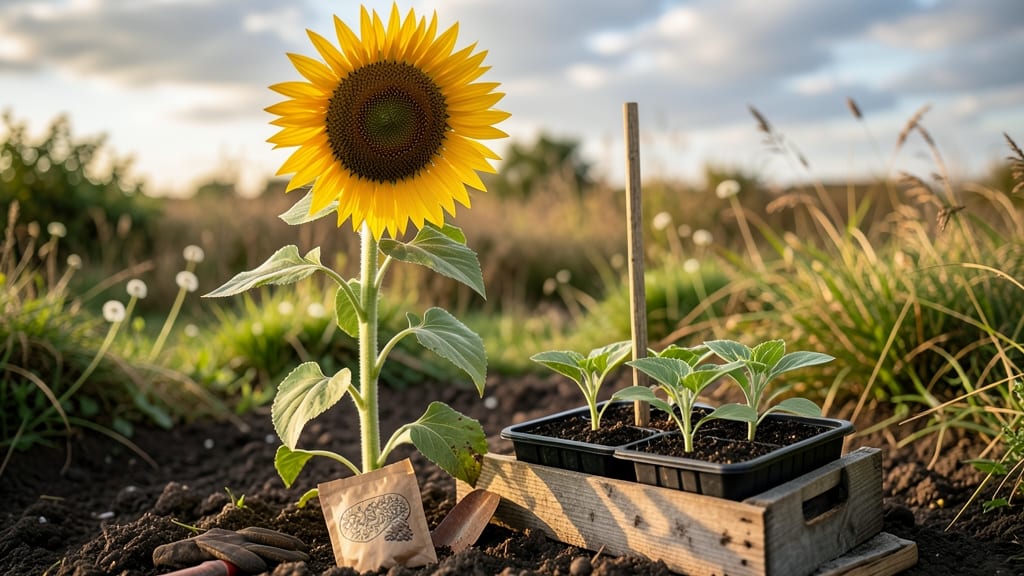
Plant sunflowers in Indiana between mid-April and early June for the best chance at tall, vibrant blooms by summer’s end.
If you’ve ever watched a sunflower 🌻 struggle to reach its full height—or worse, bolt too early—you know timing is everything. Indiana’s USDA Zone 6 climate gives you a narrow window to get it right, and missing it means smaller flowers or no blooms at all.
Most gardeners in Indiana focus on spring planting, but late-summer sowing can still yield stunning results if you pick the right varieties.
The key is understanding your local frost dates, soil prep, and how long your chosen sunflowers take to mature—because a 6-foot giant planted too late might not bloom before the first frost hits.
Below, I’ll break down the exact months to plant, how to adjust for Indiana’s microclimates, and which sunflower types thrive in your backyard. Ready to grow sunflowers that turn heads all season?
Best planting months for sunflowers in Indiana’s USDA Zone 6
Indiana’s USDA Zone 6 offers the perfect climate for growing sunflowers, but timing matters more than you might think.
The last frost date typically falls around April 15, and your planting window should align with this to ensure those bright yellow blooms make their grand appearance by summer’s end.
Plant too early, and frost can damage tender seedlings; too late, and you might miss the 60-120 day growth window needed for full bloom before fall’s first frost.
For most Indiana gardeners, the ideal planting window spans from mid-April to early June. This gives sunflowers enough time to mature before October’s first frost, which usually arrives around October 15.
However, not all sunflower varieties have the same timeline—dwarf varieties may bloom faster, while tall giants need more time to reach their full height and flower.
Here’s the key: April and May are your power months for planting sunflowers in Indiana. These months strike the perfect balance between warm soil temperatures (above 55°F) and long daylight hours, which sunflowers crave.
If you live in northern Indiana, where frosts linger longer, aim for late April to early May. In southern Indiana, you can push planting into early June for a late-summer display.
Let’s break down the best times to plant sunflowers in Indiana, including direct sowing vs. starting indoors, and how to match your planting schedule to the variety’s maturity timeline.
| Planting Window | Best For | Sunflower Variety | Bloom Time | Notes |
|---|---|---|---|---|
| Late April | Northern Indiana | Dwarf (e.g., 'Teddy Bear') | July-August | Lower frost risk; faster growth |
| Mid-April to May | All Indiana | Standard (e.g., 'Moulin Rouge') | August-September | Ideal for full sun exposure |
| Early June | Southern Indiana | Tall (e.g., 'Russian Giant') | Late September-October | Late-season blooms; taller stems |
| Indoor Start (Feb-March) | All Regions | Any Variety | Adjust based on transplant date | Hardens off before outdoor planting |
If you’re planting directly outdoors, wait until the soil temperature reaches at least 55°F—this usually happens by mid-April in most of Indiana. For indoor starts, begin sowing seeds in February or March under grow lights.
Transplant seedlings outdoors after the last frost date, typically by mid-May, to avoid shock.
For northern Indiana (e.g., Gary, South Bend), stick to April to early May planting. These areas have colder springs and earlier frosts, so dwarf varieties like 'Teddy Bear' are ideal—they bloom faster and handle cooler temperatures better.
In southern Indiana (e.g., Louisville, Evansville), you can extend planting into early June for a late-summer harvest of seeds or a stunning fall display.
Sunflowers thrive in full sun, so choose a location with 6-8+ hours of direct sunlight daily. If your garden gets partial shade, opt for shorter varieties like 'Moulin Rouge' (4-5 feet tall), which tolerate slightly less light.
Avoid planting in low-lying areas where cold air pools, as this can delay growth and expose seedlings to late frosts.
Pro tip: If you want continuous blooms all season, stagger your plantings. Start with early varieties in April, then follow with mid-season types in May, and finish with late varieties in early June.
This ensures you’ll have sunflowers in bloom from July through October, giving you a longer display and more opportunities for seed harvesting.
Remember, sunflowers are drought-tolerant once established, but they need consistent moisture during their first
How to adjust planting time for Indiana’s frost risks and sunflower varieties
Indiana’s USDA Zone 6 climate means frost dates vary wildly—from April 15 in southern Indiana to May 1 in the north. These differences force you to adjust your sunflower planting strategy based on seed starting methods and variety maturity.
For example, a tall 'Mammoth' sunflower needs 100+ days to bloom, while a dwarf 'Teddy Bear' matures in just 55 days.
Your first decision: indoor seed starting vs. direct sowing. Starting seeds indoors 4-6 weeks before your last frost date gives you a head start, especially for late-blooming varieties. But for quick-growing types like 'Autumn Beauty,' direct sowing after frost is simpler and just as effective.
Here’s how to match your sunflower variety to Indiana’s regional frost risks and adjust planting times accordingly:
| Factor | North Indiana (Zone 6a) | South Indiana (Zone 6b) |
|---|---|---|
| Last Frost Date | May 1 | April 15 |
| Best Direct Sow Time | May 15-June 1 | April 20-May 10 |
| Indoor Start Time | March 15-April 1 | March 1-April 15 |
| Best Varieties for Early Planting | 'Teddy Bear' (55 days) | 'Autumn Beauty' (60 days) |
| Best Varieties for Late Planting | 'ProCut' (50 days) | 'Russian Giant' (120 days) |
| Key Adjustment | Wait for soil >50°F | Plant earlier for fall blooms |
For northern Indiana, where frost lingers longer, focus on fast-maturing varieties like 'ProCut' or 'Sunspot.' These give you blooms in 50-60 days, ensuring you beat the first frost in October.
In southern Indiana, you can afford taller varieties like 'Russian Giant' (120 days) because the growing season stretches longer.
Pro tip: If you’re growing sunflowers for cut flowers, aim for varieties with long stems and late bloom times, like 'Evening Sun.' These stay fresh longer and give you extended harvest windows.
For bird feeders, prioritize high seed yield varieties like 'Mammoth' planted in late May to avoid early frost damage.
Always monitor your local microclimate—urban areas may warm faster than rural spots. Use a soil thermometer to confirm when soil reaches 50°F before planting, and adjust your schedule if late frosts delay your timeline.
With the right variety and timing, you’ll enjoy sunflowers blooming from July through October—even in Indiana’s unpredictable climate! 🌻