
Flowers
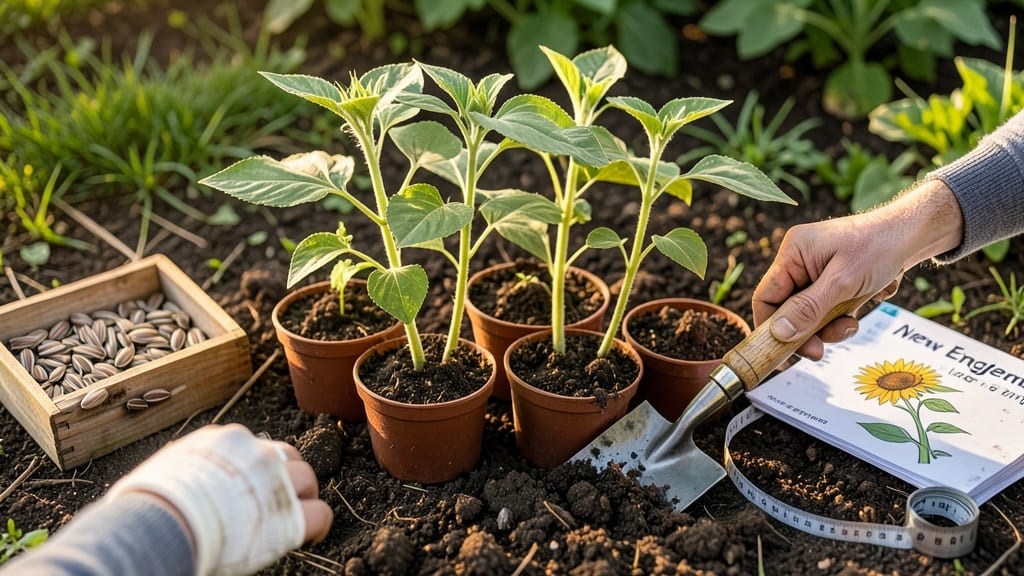
To plant sunflowers in New England and get those towering blooms you dream of, timing is everything—especially when frost can sneak in as late as mid-May.
Picture this: you’ve sown your seeds, only to watch them bolt or wilt under an unexpected chill. That’s why knowing the exact frost-free deadlines by your zone is the key to sunflowers that reach their full, golden potential. Miss the window, and you’re stuck with stunted stems and fewer blooms.
New England’s short growing season means every day counts. Whether you’re in Zone 5b or 6b, planting too early risks frost damage, while waiting too long cuts your bloom time short.
The good news? With the right schedule—and a few pro tips—you can coax 10-foot giants from your garden, even in a climate that loves to surprise you.
Below, I’ll walk you through the perfect planting window, soil prep secrets, and how to stretch your season for sunflowers that steal the show from late summer to early fall.
New England sunflower planting deadlines by hardiness Zone: exact dates for tallest blooms
Timing is everything when growing sunflowers in New England, where frost dates can shift dramatically from year to year. Planting too early risks frost damage, while late starts may leave your tallest varieties struggling to mature before fall.
The key is knowing your USDA hardiness zone and soil temperature thresholds—both critical for optimal germination and stem growth.
New England spans USDA Zones 3-7, with last frost dates ranging from mid-May in northern Maine to late May in southern Connecticut. Soil must reach at least 50°F for seeds to sprout, but 60°F+ ensures faster, more reliable growth.
I’ve grown Russian Giant sunflowers in Zone 5 for years, and the difference between planting at 55°F vs. 65°F is night-and-day in height and bloom time.
Direct sowing is the best method for sunflowers—they hate transplanting and often bolt or develop weak stems. However, if you’re in Zone 3 or 4 with a short season, starting seeds indoors 2-3 weeks before the last frost can give them a head start.
Just be prepared to harden off carefully to avoid shock.
Soil temperature is your real deadline, not just calendar dates. Use a soil thermometer to confirm readiness—seeds won’t germinate below 50°F, and growth will be sluggish until 60°F. In my Zone 6 garden, I’ve seen seeds take 14 days to sprout at 52°F vs. just 5 days at 65°F. Patience pays off, but don’t wait too long!