
Flowers
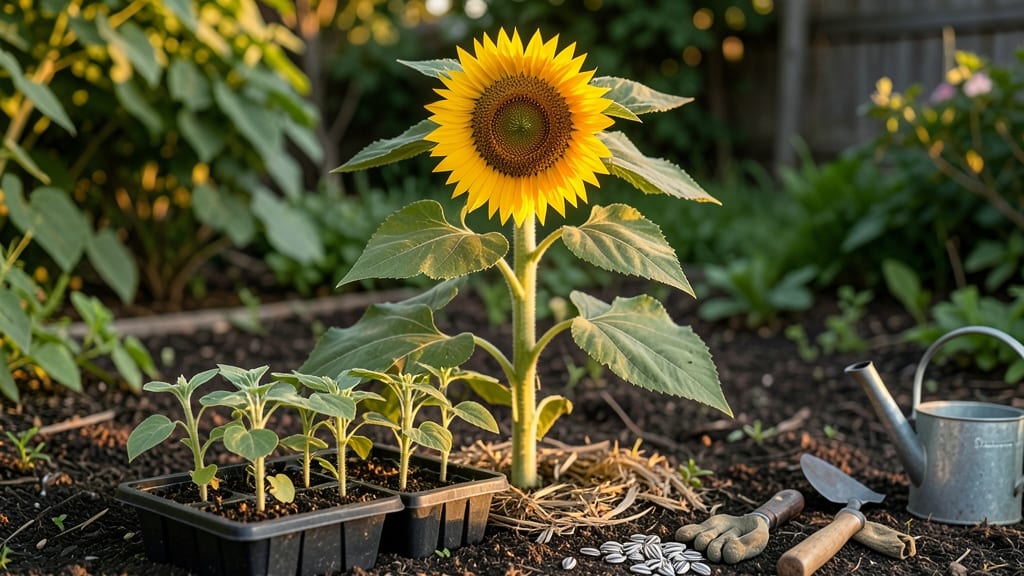
Planting sunflowers in Tucson after the last frost date—around mid-March—gives them the best shot at beating the brutal summer heat and reaching their full towering glory.
Picture this: you’ve spent weeks nurturing those little 🌻 sprouts, only to watch them wilt under Tucson’s 110°F+ afternoons. That’s why timing matters more than most gardeners realize. A few weeks earlier or later can mean the difference between a sunflower forest and a sad, shriveled stump.
Here’s the key: soil temperatures need to hit at least 50°F before you drop those seeds, and the USDA Zone 9a climate demands a strategy to stretch the growing season.
We’ll cover the exact windows, heat-resistant varieties, and tricks to keep your sunflowers thriving when the desert turns into an oven.
By the end, you’ll know not just when to plant, but how to outsmart Tucson’s climate—so your sunflowers grow tall, strong, and ready for harvest by summer’s end.
Best planting windows for sunflowers in Tucson’s climate zones
Tucson’s USDA Zones 7b-9a create a tricky balance for sunflowers—too early, and frost zaps tender seedlings; too late, and 110°F+ heat scorches them before blooming. The key is planting when soil temperatures hit 50°F (10°C) and aligning with Tucson’s microclimate variations between urban areas and desert outskirts.
Most sunflower varieties thrive when planted between mid-February and early April, but your exact timing depends on elevation and shade.
Higher elevations (like Santa Catalina Mountains) can handle 2-3 weeks earlier plantings, while low-desert areas near Tucson International Airport need to wait until late March to avoid heat stress.
Here’s how to match your location to the perfect planting window—plus which heat-tolerant varieties perform best in each zone.
For elevations above 4,000 feet (e.g., Mount Lemmon), you can push plantings to January 15—just cover seedlings with row fabric if frost warnings appear. The soil temperature is your best guide: use a soil thermometer to confirm consistency at planting depth (1 inch).
Pro tip: Direct-sow seeds ½ inch deep—sunflowers hate transplanting. Space dwarf varieties 12 inches apart and standard types 24-36 inches apart to prevent competition. In low-desert zones, prioritize heat-tolerant hybrids like 'ProCut' or 'Sunspots,' which mature in just 60-70 days.
If you miss the spring window, fall planting is possible—but only in Zone 9a areas. Sow seeds in late September for blooms before the first frost (usually mid-December). Choose fast-maturing varieties like 'Teddy Bear' (56 days) to avoid heat stress in October.
Remember: Shade cloth (30-50%) can extend your window by 2-3 weeks in extreme heat. Install it when daytime temps exceed 95°F to protect young plants. Pair this with deep watering (2-3 gallons per plant) in the early morning to minimize stress.
For container growing in Tucson’s urban heat islands, start seeds indoors in late January and transplant after March 15. Use 5-gallon pots with fast
How to stretch the sunflower growing season in extreme heat
Tucson’s summer heat can push sunflowers to their limits, but with the right strategies, you can extend their growing season and still enjoy those iconic blooms. The key is to protect young plants from scorching temperatures while giving them enough water and shade to thrive.
When planted correctly, even heat-sensitive varieties can survive Tucson’s 110°F+ days with minimal stress.
Start by choosing heat-tolerant varieties like 'Autumn Beauty' or 'Moulin Rouge', which handle high temperatures better than standard types. These varieties mature faster, reducing their exposure to extreme heat. Pair this with proper mulching and strategic irrigation to keep roots cool and hydrated during peak afternoon heat.
Timing is everything in Tucson’s climate. For spring plantings, sow seeds in late February to early March when soil temps stabilize above 50°F. If you miss this window, opt for succession planting in late August for a fall crop.
This two-phase approach ensures you’re not locked into one high-risk season.
Monitor your sunflowers closely for signs of heat stress, like drooping leaves or yellowing petals. If you see these, provide immediate shade and increase watering temporarily. Most plants recover within 24-48 hours if roots stay moist. Avoid fertilizing during heatwaves—focus on water and shade instead.
With these strategies, you can push your sunflowers to mature before the worst heat arrives. My 10-foot 'Russian Giant' plants in Tucson still reach full height when I combine shade cloth, mulching, and morning watering.
The secret? Consistency in care during the critical first 6 weeks after germination. 🌻