
Flowers
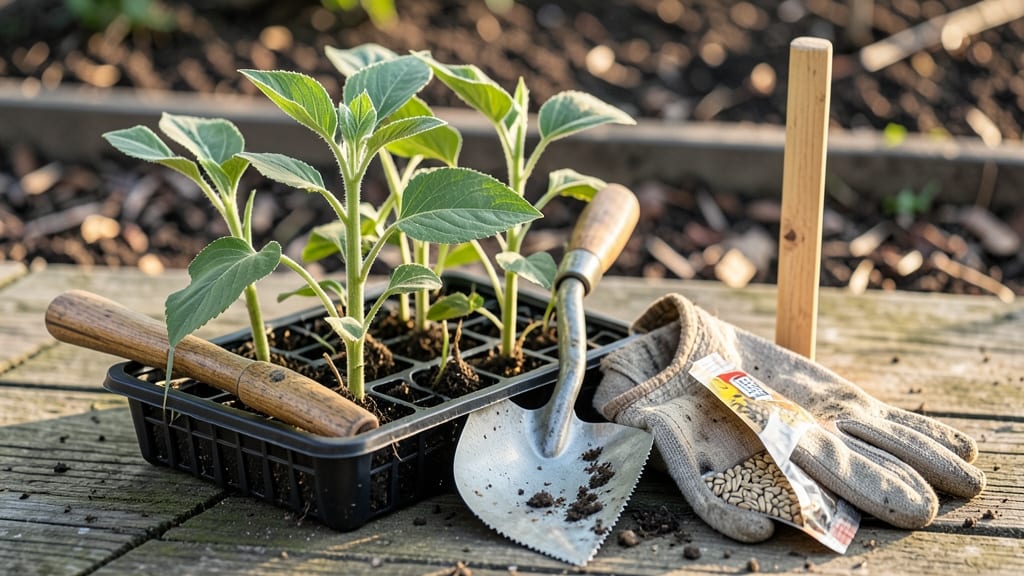
Plant sunflowers in Zone 7a between mid-April and early June for the best chance at those towering 🌻 blooms you’ve been dreaming of.
Timing is everything—get it wrong, and you’ll end up with leggy stems or flowers that bolt in the heat. Zone 7a’s last frost usually hits around April 15, but soil temperature is the real game-changer: wait until it’s consistently above 50°F before dropping seeds in.
Direct-sowing is the way to go for sunflowers, and spacing out your plantings by 2-3 weeks can stretch your harvest from late July through October. That means fewer sad, wilted heads and more cheerful faces when neighbors ask, “What are those gorgeous flowers?”
Below, I’ll break down the exact frost-free timeline, soil tricks for faster germination, and how to handle those pesky late frosts that sneak up in Zone 7a. No more guessing—just bigger, happier sunflowers all season.

Zone 7a sunflower planting timeline: frost dates and soil temperatures
Sunflowers in Zone 7a demand precise timing to avoid frost damage or stunted growth. The average last frost date hovers around April 15, but soil temperatures must reach 50°F (10°C) before planting.
Waiting too long risks early blooms cut short by fall frosts, while planting too early exposes tender seedlings to cold snaps.
Your Zone 7a garden has roughly 180 frost-free days, creating a narrow window for sunflower varieties to mature. Giant varieties like 'Russian Giant' need the full season, while dwarf types like 'Teddy Bear' offer flexibility for late plantings. Understanding these timelines ensures you maximize your sunflower's potential.
🌱 Key Insight: Sunflowers are direct-sown (no transplanting), so timing is everything. Below is your Zone 7a planting timeline broken down by variety and soil conditions.
For giant sunflowers, aim to plant by May 15 to ensure they reach maturity before the first frost in mid-October. These varieties need the longest growing season, so don’t wait until soil warms—act fast after your last frost.
Use a soil thermometer to confirm temperatures, as Zone 7a can have lingering cool pockets.
If you’re planting mid-size varieties, you have more flexibility. Sow seeds from late April through early June, but prioritize the earlier window for taller types like 'Autumn Beauty'. These sunflowers tolerate slight delays better than giants but still need 60+ days of warmth to bloom.
Dwarf sunflowers like 'Teddy Bear' are the most forgiving. Plant them as late as June 15 for late-summer blooms, even if soil is only 45°F (7°C). Their shorter stature and faster growth make them ideal for succession planting or container gardens where space is limited.
Pro tip: Monitor your local microclimate. Urban areas may warm faster than rural spots, while valleys can stay cooler longer. Adjust your planting by 1-2 weeks based on these variations—your sunflowers will thank you with bigger blooms.
Don’t forget to harden off seedlings if you start them indoors (though sunflowers are best direct-sown). Acclimate them to outdoor conditions for 5-7 days before transplanting, even if you’re planting after the last frost. This step prevents shock and ensures steady growth.
For late spring plantings, choose fast-maturing varieties like 'Moulin Rouge' (60 days) or 'Evening Sun' (55 days). These thrive even when planted in early June, giving you vibrant blooms before frost. Just be prepared for slightly smaller stems compared to early plantings.
🌻 Final Tip: Mark your calendar for July 15—this is when most Zone 7a sunflowers begin harvesting. Watch for brown petals and dry seed heads to time your pick perfectly for seeds or bouquets.
How to extend your sunflower season in Zone 7a: succession planting and cold tolerance hacks
Zone 7a’s unpredictable spring frosts and early summer heatwaves can cut your sunflower season short—but not if you plan strategically. By using succession planting and cold tolerance hacks, you can stretch those golden blooms from early summer into fall.
The key lies in staggered sowing and protecting young plants during critical growth stages.
Sunflowers are fast growers, but their germination speed slows in cold soil. In Zone 7a, where average last frost dates hover around April 15, you can start sowing seeds indoors 4-6 weeks before your last frost date.
This head start ensures you’re ready to transplant hardy seedlings as soon as soil temperatures hit 50°F (10°C).
- 📅 Early March: Start indoor seeds 4-6 weeks before last frost (use grow lights)
- 🌱 Mid-April: Transplant hardened seedlings after soil reaches 50°F
- 🔄 Late April: Sow second batch outdoors for staggered blooms
- 🌡️ Early June: Plant heat-tolerant varieties for late-summer blooms
- 🛡️ All stages: Use row covers for frost protection
For maximum bloom duration, plant three staggered batches every 2-3 weeks starting in mid-April. Choose fast-maturing varieties like 'Teddy Bear' (56 days) for early blooms, followed by 'Autumn Beauty' (60-65 days) and 'Russian Giant' (70-120 days) for late-season color.
This strategy ensures continuous flower power from July through October.
Protect young plants from late frosts using floating row covers or lightweight fabric. Remove covers during the day to allow sunlight penetration and reapply at dusk. Mulch with straw or grass clippings to insulate roots and maintain even soil temperatures.
In Zone 7a’s heatwaves, provide afternoon shade with mesh screens to prevent bolt stress in young plants.
Don’t overlook soil preparation—amend your beds with compost and a balanced fertilizer (10-10-10) before planting. Sunflowers are heavy feeders, but over-fertilizing can lead to floppy stems. Instead, side-dress with compost tea every 4-6 weeks to support steady growth without excess nitrogen.
With these season-extending tactics, you’ll enjoy sunflowers in full glory for nearly half the year—turning your garden into a year-round pollinator paradise. Plus, the staggered harvest means fresh seeds for next year’s planting! 🌻