
Plants
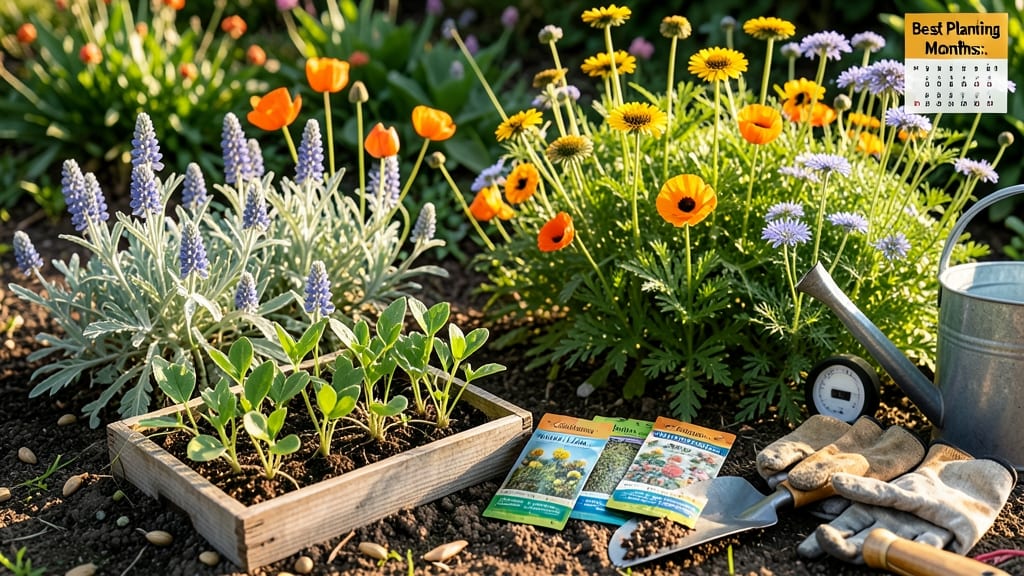
Plant wildflower seeds in California between October and early April—timing that aligns with rainfall and temperature shifts to give your meadow the best start.
California’s diverse climates—from coastal fog to desert heat—mean wildflower planting timing can make or break your meadow’s success. Plant at the wrong time, and your seeds may struggle to establish before summer droughts or winter freezes.
Coastal areas thrive with fall plantings, while inland valleys and deserts need winter sowing to avoid heat stress. The key is matching your region’s microclimate to the right window—whether that’s October rains or March’s mild temperatures.
Below, I’ll break down the best months by zone, soil prep secrets, and how to keep your wildflowers blooming year after year for pollinators and your garden’s beauty.
California wildflower planting calendar by climate zone
California’s microclimates create unique challenges for wildflower planting. The Coastal region’s mild winters contrast sharply with the Desert’s intense heat, while Mountain areas face early frosts. Understanding these differences ensures your wildflowers thrive.
I’ll break down the best planting windows for each zone, including key frost dates and rainfall patterns to maximize success.
Timing matters most because wildflower seeds need consistent moisture to germinate. Planting too early in frost-prone areas risks seed rot, while planting too late in hot climates can lead to drought stress before roots establish.
For example, Central Valley gardens should aim for fall planting to take advantage of winter rains, while Desert regions rely on winter’s cooler temperatures and occasional showers.
Here’s a month-by-month breakdown tailored to California’s four main climate zones. Use this as your guide to choose the perfect planting window for your location, ensuring vibrant blooms from spring through summer.
🌱
🌿
For Coastal regions, fall planting aligns with natural rainfall, reducing the need for supplemental watering. I recommend scattering seeds in September or October to give them time to germinate before winter’s mild rains.
In Central Valley areas, aim for September–November to capitalize on winter moisture, which is critical for seed establishment.
Desert climates are trickier because summer heat can bake seeds before they sprout. Plant in late fall or winter (November–January) when temperatures drop and occasional rains provide moisture.
Mountain regions require a different approach: spring planting (April–May) avoids late frosts, while late summer (August–September) works for species adapted to cooler temperatures.
Regardless of your zone, always prepare the soil by removing weeds and loosening the top layer. A light raking creates ideal seed-to-soil contact. After planting, use a light mulch (like straw) to retain moisture and protect seeds from wind.
This step is especially critical in Desert and Mountain areas where moisture is scarce.
💧
Monitor local weather forecasts for rainfall predictions, as timing your planting with natural moisture boosts success rates. For example, if your area is forecasted for 3+ inches of rain in the next week, hold off on planting until after the storm passes.
Conversely, if drought conditions persist, consider pre-moistening the soil before scattering seeds to jumpstart germination.
Pro tip: Mix wildflower seeds with a sand or compost to ensure even distribution and prevent clumping. This technique works wonders for large meadows or sloped areas where wind might otherwise scatter seeds unevenly.
After planting, gently press seeds into the soil—just enough to cover them lightly—but avoid burying them too deeply, as most wildflowers need light to germinate
Best wildflower seed types for each California region
California’s microclimates demand region-specific wildflower choices. Coastal areas thrive with moisture-loving varieties, while desert regions need drought-tolerant natives. Selecting the right species ensures vibrant blooms and supports local ecosystems. Let’s explore the best options for each zone.
For coastal regions like San Francisco and Monterey, lupines and checkerbloom shine. These plants love cool, foggy summers and well-draining soil. Plant them in late fall to take advantage of winter rains and establish roots before summer droughts.
Central Valley gardeners should focus on California poppies and tidytips. These sun-loving annuals bloom prolifically in spring and tolerate the valley’s hot, dry summers. Sow seeds in early spring or late fall for best results.
In desert regions like the Mojave, desert marigold and golden evening primrose thrive with minimal water. These species love full sun and sandy soil. Plant seeds in winter when temperatures are mild, ensuring they establish before summer heat arrives.
Mountain areas benefit from wild lilacs and shooting stars. These cool-season bloomers prefer partial shade and moist, well-draining soil. Plant them in early spring after the last frost, allowing roots to establish before summer droughts.
Drought-tolerant varieties like California poppies and desert marigolds require minimal water once established. In contrast, coastal lupines and mountain wild lilacs appreciate consistent moisture. Always check seed packets for specific care instructions to maximize success.
Planting at the right time ensures your wildflowers thrive and attract pollinators like bees and butterflies. With the right species for your region, you’ll enjoy a colorful, low-maintenance meadow year after year. Happy planting! 🌼