
Plants
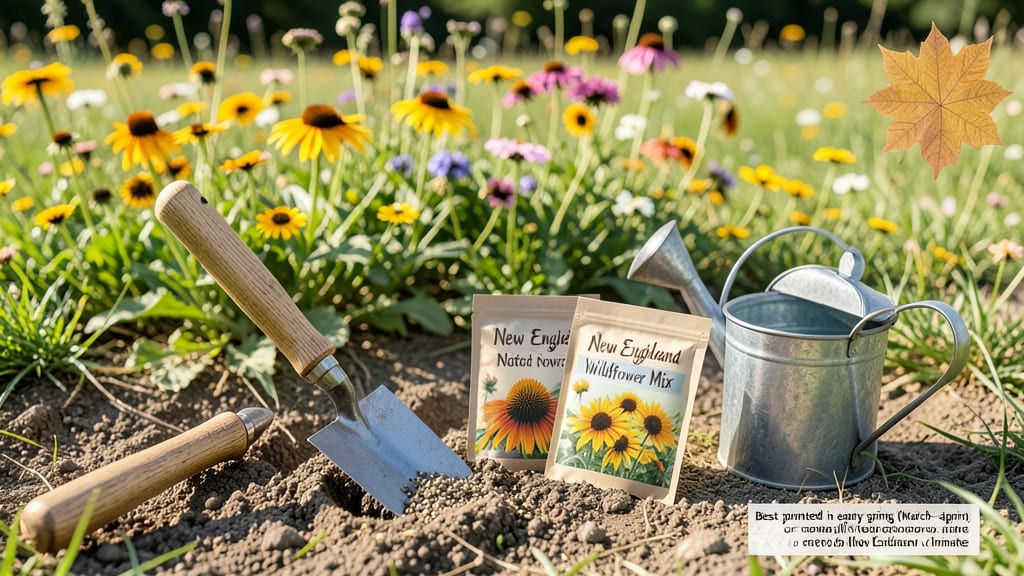
Plant wildflower seeds in New England between early spring and early fall — timing them to the last frost date and soil warmth is the key to vibrant blooms 🌼 from summer to fall.
New England’s unpredictable spring weather can turn wildflower dreams into guesswork—but timing your seeds just right ensures a burst of color from early summer to fall. Miss the window, and you’ll face weak blooms or invasive weeds stealing the show.
In Zones 5-7, aim for early spring planting (March-April) when the ground thaws but before invasive grasses take over, or opt for a fall planting in September for a head start next year.
Coastal areas may have a slightly longer window, while inland spots need to wait for soil to warm.
Below, I’ll break down the best planting windows by zone, how to prep your soil, and which native wildflowers thrive in New England’s climate—plus pro tips to beat frost delays and drought risks.
Best planting windows for New England wildflowers by hardiness Zone
New England’s wildflowers thrive when planted at the right time, but the last frost dates and soil temperature thresholds vary dramatically across USDA Zones 3-7. Whether you're in coastal Maine or inland Vermont, understanding these windows ensures vibrant blooms from early summer to fall.
The key? Plant when soil reaches 40°F (4°C) in spring or 60°F (15°C) in fall.
Spring planting is ideal for most wildflower seeds, but fall planting offers a secondary window for species like black-eyed Susans and coneflowers. Coastal areas enjoy 2-3 weeks earlier planting than inland zones due to milder temperatures.
For example, Zone 3 (northern Maine) may wait until late May, while Zone 7 (southern Connecticut) can start as early as mid-April.
Below is a zone-by-zone breakdown of frost-free timing, soil prep tips, and microclimate adjustments to maximize your wildflower success. Pro tip: Use a soil thermometer to confirm readiness—seeds won’t germinate until temperatures stabilize.
For spring planting, aim to sow seeds 2-3 weeks after your last frost date. In Zone 3, this might mean waiting until June, while Zone 7 gardeners can start as early as April.
Always scarify seeds (lightly scratch the seed coat) or use a seed starter to improve germination rates in cooler zones.
Fall planting offers a second chance for wildflowers like goldenrod and purple coneflower. Plant seeds 6-8 weeks before first frost to allow time for germination. In Zone 4, this means late August, while Zone 6 can extend until mid-September.
Fall-planted seeds benefit from natural stratification—winter’s freeze-thaw cycles break seed dormancy for a stronger start in spring.
Regional microclimates play a huge role. Coastal areas (e.g., Maine’s mid-coast) enjoy warmer springs due to ocean currents, while inland valleys (e.g., Vermont’s Champlain Valley) can experience late frosts even after official last-frost dates. Use a local weather station or Almanac frost calendar to fine-tune your timing.
Pro tip: If you’re unsure about your zone
How to adjust planting dates for New England’s unpredictable weather patterns
New England’s late frosts and early thaws can throw off even the most experienced gardener’s timing. For wildflowers, this means the difference between a vibrant meadow and a season of sparse blooms.
I’ve learned to use flexible planting strategies that account for these quirks—like stratifying seeds early or using frost cloth as a safety net.
One of my biggest lessons came after a May frost wiped out my first attempt at planting black-eyed Susans. That year, I switched to fall planting instead, which gave the seeds time to establish roots before winter.
Now, I always have a backup plan for when spring refuses to cooperate.
⚠️ WARNING: Late Frosts Can Ruin Your Wildflower Dreams Planting too early risks seedling loss from unpredictable late frosts, while waiting too long may delay blooms until late summer.
Here’s my proven adjustment timeline for New England’s Zones 3-7: - Coastal areas (warmer microclimates): Start seeds indoors in March or direct-sow by mid-April after the last frost date. - Inland regions (colder zones): Wait until late April to early May for direct sowing, or stratify seeds 6-8 weeks before planting. - High-elevation spots: Consider fall planting in September for hardy perennials like coneflowers and bee balm.
For seed stratification, I always soak wildflower seeds in lukewarm water for 24 hours before mixing them with moist sand in a sealed container.
Place this in your refrigerator for 4-6 weeks to mimic winter conditions—this trick works especially well for native species like milkweed and purple coneflower, which need this cold treatment to germinate.
When late frosts threaten, I rely on frost cloth to protect young seedlings. Simply drape it over your newly sown area and secure it with bricks or stakes.
Remove it during the day to let sunlight through, and reapply at night. This method has saved my wildflower patches from two unexpected frosts in the last three years.
If spring planting feels too risky, don’t overlook fall planting as a reliable alternative. Many perennial wildflowers thrive when sown in late summer or early fall, giving them time to establish roots before winter.
Aim for 6-8 weeks before your first frost—typically late August to early September in most of New England.
Finally, keep an eye on soil temperature as your final guide. Wildflower seeds generally need soil temps of at least 50°F (10°C) to germinate consistently. Use a soil thermometer to check—this simple tool has become my secret weapon against New England’s whimsical weather.
With these adjustments, you’ll turn uncertainty into a wildflower success story. 🌿