
Plants
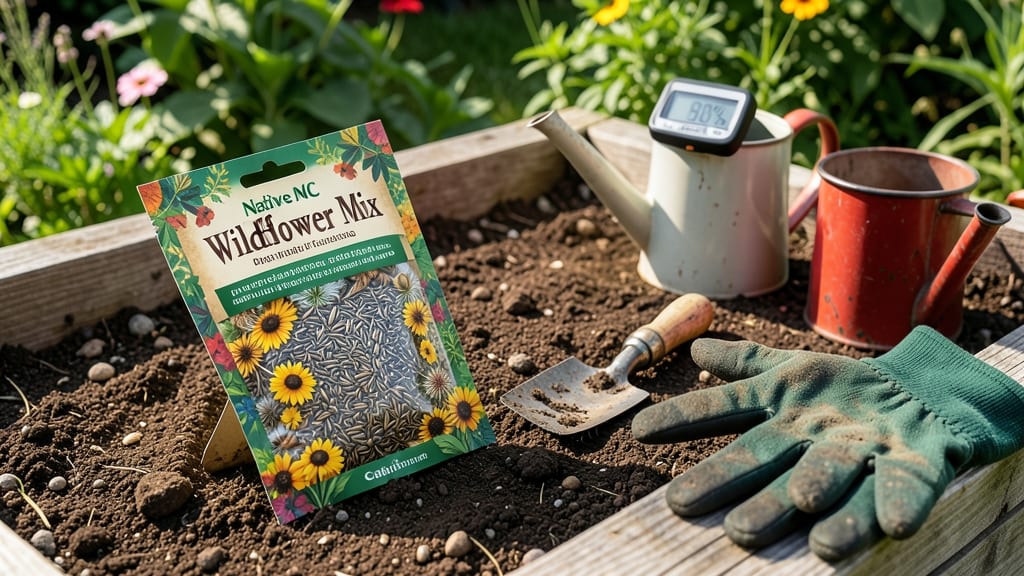
Planting wildflower seeds in North Carolina at the right time ensures vibrant blooms and thrives across the state’s varied climate zones.
Timing matters more than you might think—get it wrong, and you’re left with patchy blooms or seeds that never sprout. The key? Aligning your planting with frost dates, soil temperatures, and regional microclimates, whether you’re in the Coastal Plains or the Mountains.
In this guide, I’ll break down the best months for planting—both fall and spring—so you can avoid common pitfalls like drought stress or weed competition. You’ll also find county-specific frost date insights and tips for native species that flourish in NC’s 6a–8b zones.
Ready to transform your yard into a low-maintenance wildflower haven? Let’s dive into the perfect planting schedule for your location.
North Carolina frost dates by county: best planting windows for wildflowers
North Carolina’s diverse climate zones create wildly different frost dates—from the Coastal Plains to the Mountain region. These variations mean your wildflower planting schedule should shift dramatically depending on where you live.
For example, Asheville gardeners might plant in early March, while Wilmington residents can start as early as February. Understanding these last frost dates helps you avoid frost damage and maximize bloom time.
Annual wildflowers like Black-Eyed Susans and Cosmos thrive when planted 2-4 weeks after your last frost date, while perennials such as Purple Coneflowers benefit from fall planting for deeper root establishment.
The key is aligning your planting with soil temperatures—typically 60°F or warmer—to ensure strong germination. Let’s break down the best planting windows by county type.
| County Region | Last Frost Date | First Frost Date | Spring Planting Window | Fall Planting Window |
|---|---|---|---|---|
| Coastal Plains (e.g., Dare, Carteret) | February 20–March 5 | November 15–December 1 | March 15–April 15 | August 15–September 15 |
| Piedmont (e.g., Mecklenburg, Wake) | March 1–March 15 | November 1–November 15 | April 1–April 30 | September 1–September 30 |
| Mountains (e.g., Haywood, Buncombe) | March 15–April 1 | October 15–November 1 | April 15–May 15 | September 15–October 15 |
| Sandhills (e.g., Richmond, Scotland) | March 5–March 15 | November 5–November 15 | March 20–April 10 | August 30–September 10 |
Note: Microclimates can shift dates by 1-2 weeks—check local weather patterns annually.
In the Coastal Plains, where winters are milder, you can start sowing annual wildflower seeds as early as February. This head start gives them time to establish roots before summer heat sets in.
Meanwhile, Mountain counties like Haywood and Buncombe often see frost lingering until mid-April, so hold off until late April to avoid frost damage. For perennial wildflowers, fall planting is ideal—seeds germinate slowly in cool soil, producing stronger roots before winter.
For gardeners in Zone 7a (e.g., Asheville), aim to plant annual wildflowers between April 15–May 15. In Zone 8b (e.g., Wilmington), you can push planting to March 15–April 15.
Always monitor soil temperatures—most wildflower seeds need 55–65°F to germinate. Use a soil thermometer to track progress, especially in unpredictable years.
If you’re planting native wildflowers like Butterfly Weed or Coreopsis, consider fall sowing for best results. These species benefit from stratification, a natural cold treatment that breaks seed dormancy.
Scatter seeds in September or October, then let winter rains do the work. By spring, you’ll have a head start on lush, pollinator-friendly blooms.
Don’t forget that microclimates within counties can shift planting dates by 1–2 weeks. For example, a south-facing slope in Wake County may warm up faster than a valley area.
Observe your garden’s unique conditions—notice where frost lingers longest or where plants thrive earliest. Adjust your schedule accordingly to optimize wildflower success.
For drought-prone areas like the Sandhills, prioritize deep watering after planting to encourage root growth. In contrast, humid Piedmont regions may require lighter watering to prevent fungal issues. Always mulch lightly (¼ inch) to retain moisture and suppress weeds without smothering seeds.
Pro tip: Use biodegradable seed tape for precise planting in windy or uneven terrain. This method is especially useful for small wildflower seeds like Lupine or Phlox, which can blow away in strong coastal breezes.
Mark your planting dates on a garden calendar to stay organized across NC’s varied regions.
Remember, wildflowers are resilient—even if you miss the ideal window, seeds often lie dormant until conditions improve. But timing your planting right ensures vibrant blooms from spring to fall, attracting butterflies
How to adjust planting timing for NC’s climate zones (7a–8b)
North Carolina’s diverse climate zones—from the Coastal Plains to the Mountains—create unique challenges for wildflower gardeners. In Zone 7a, where last frosts linger until mid-April, timing matters just as much as in Zone 8b, where mild winters allow earlier starts.
Adjusting your approach based on soil temperature and moisture levels can transform your wildflower meadow from sparse to spectacular.
For Piedmont gardeners (Zone 7a), focus on late winter planting (February–March) when soil temperatures hover around 50–60°F. This gives seeds time to germinate before spring rains dilute their energy. Meanwhile, Coastal gardeners (Zone 8a–8b) can start as early as January, taking advantage of their warmer microclimates.
Mountain regions (Zone 6b–7a) often require a delayed start until April to avoid frost damage.
Key Adjustments by NC Climate Zone
- 🌱 Zone 7a (Piedmont): Plant February–March when soil reaches 50°F; use seed stratification for native perennials like Black-Eyed Susans.
- 🌿 Zone 8a–8b (Coastal): Start January–February; prioritize drought-tolerant seeds (e.g., Coreopsis) and water deeply to combat sandy soils.
- ⛰️ Mountains (6b–7a): Delay until April; mulch heavily to retain moisture and protect seeds from late frosts.
- 💧 All Zones: Stratify seeds (mix with moist sand, refrigerate 4–6 weeks) for better germination of native wildflowers.
Soil temperature is your most critical gauge. Use a soil thermometer to confirm readiness—40°F is the minimum for most wildflower seeds, but native species like Purple Coneflower thrive at 55–65°F. In Coastal zones, where soils warm faster, you can plant 2–3 weeks earlier than inland areas.
For Mountain gardeners, wait until soil stays above 50°F for 5+ days to avoid seed rot.
Moisture management is equally vital. Coastal regions often face drought stress after germination, so use mulch (straw or pine needles) to lock in humidity. In Piedmont and Mountain zones, spring rains can wash seeds away—plant on sloped beds or use erosion-control fabric until seedlings establish.
For seed stratification, place seeds in a moist paper towel, seal in a ziplock bag, and refrigerate for 4–6 weeks to mimic winter conditions.
Don’t overlook microclimates. A south-facing slope in the Piedmont may warm 2–3 weeks earlier than a north-facing valley. Test small patches in multiple locations to find your optimal planting window.
For annual wildflowers (like Cosmos), aim for late summer (August) to avoid weed competition and bloom through fall. Perennials (e.g., Butterfly Weed) benefit from fall planting to establish roots before winter dormancy.
Pro tip: Pair wildflower seeds with a light cover of compost (no deeper than ¼ inch) to protect them from birds and wind while allowing sunlight to reach the soil. In Zone 8b, you can even direct-sow in late fall (November) for early spring blooms.
Just monitor for frost and cover with row fabric if temperatures dip below 32°F.
By aligning your planting schedule with NC’s climate zones, you’ll create a thriving wildflower habitat that attracts pollinators and withstands local challenges. Start with small test plots, adjust based on germination rates, and soon you’ll have a low-maintenance meadow that blooms reliably year after year. 🌼