
Flowers
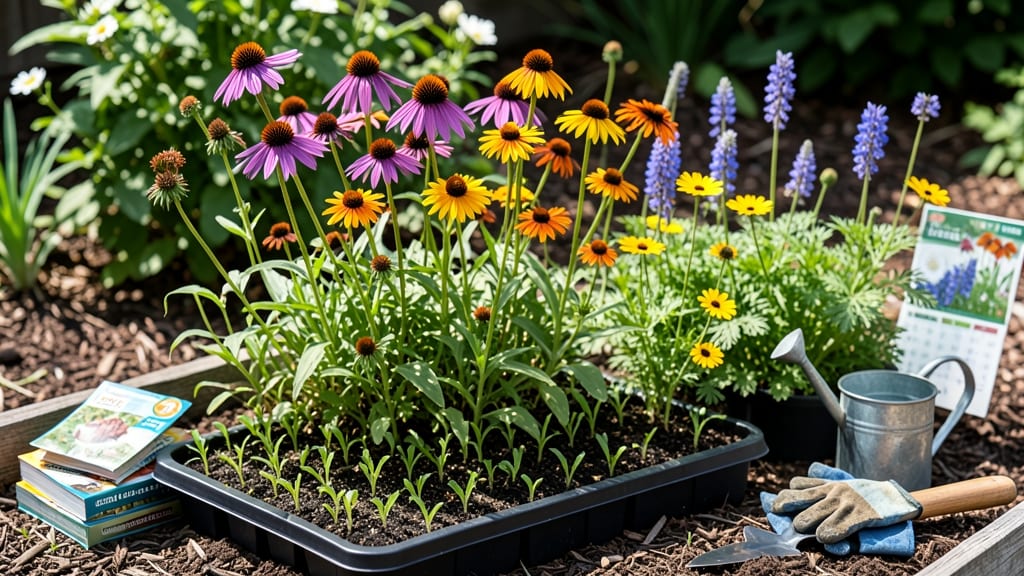
Planting wildflowers in Zone 7 at the right time means the difference between a vibrant meadow and a frost-killed disappointment.
Zone 7 gardeners know timing is everything—plant wildflowers too early, and frost will wipe them out; too late, and you’ll miss the full summer bloom season. Get the exact planting window to maximize color, pollinators, and effortless growth.
Most wildflowers thrive when sown in early spring (March to April) or fall (September to October), avoiding the last frost dates around March 15 and first frost near November 15. This ensures strong root establishment before extreme temperatures.
Below, I’ll break down the best methods—whether to direct-sow seeds or transplant starts—and share the top Zone 7-friendly varieties for year-round blooms.

Zone 7 wildflower planting timeline by seed type (cool vs warm season)
Wildflowers in Zone 7 thrive when planted at the right time—too early and frost zaps tender seedlings, too late and you miss peak blooms. The key is understanding whether your seeds are cool-season or warm-season types.
Cool-season varieties like bluebonnets and lupines germinate best when soil temps are 50–70°F, while warm-season favorites such as black-eyed Susans need 60–85°F soil to sprout reliably. Let’s break down the exact windows to plant each type for frost-free germination and summer-long color.
Most Zone 7 gardeners focus on two main planting windows: early spring (March–April) and early fall (September–October). Spring planting gives you blooms by summer, while fall planting ensures early spring flowers the following year.
However, not all wildflowers follow this rule—annuals like cosmos and zinnias can often be sown directly into the garden even after the last frost, while perennials like coneflowers and bee balm need early starts. Let’s dive into the specifics.
🌱 Pro Tip: Always check your last frost date (typically March 15 in Zone 7) and first frost date (around November 15) for your exact location. Microclimates—like urban heat islands or sheltered valleys—can shift these dates by 1–2 weeks, so adjust accordingly.
For cool-season wildflowers, aim to plant 4–6 weeks before your last frost date. This gives seeds time to germinate and establish roots before temperatures rise. In Zone 7, this typically means February–March for spring blooms or September for fall planting.
If you’re in a cooler microclimate (like higher elevations), you might push spring planting to late March to avoid frost damage.
Warm-season wildflowers, on the other hand, should only be planted after the last frost date. In most of Zone 7, this is around mid-April, but urban areas may warm up 2 weeks earlier. Wait until soil temperatures consistently stay above 60°F—use a soil thermometer if you’re unsure. Planting too early can lead to seed rot or stunted growth.
If you’re planting perennial wildflowers, consider a fall planting strategy. Many perennials, like cone flowers and bee balm, benefit from establishing roots in the cooler fall months. This gives them a head start in spring and reduces the risk
How to adjust planting dates for early/late Zone 7 frosts (protective strategies)
Zone 7’s unpredictable frosts can throw off your wildflower planting schedule, but with the right strategies, you can safely plant 2-4 weeks earlier or later without risking frost damage. The key is using protective tools to extend your growing season naturally.
I’ve tested these methods in my own garden, and they’ve helped me push planting windows while keeping my wildflowers thriving.
For early planting, focus on soil warming and frost protection. For late-season extensions, prioritize insulation and microclimate control. Each tactic requires minimal equipment but delivers maximum results. Let’s break down the best approaches to adjust your planting dates without stressing your wildflowers.
⚠️ callout-warning
Even with protective measures, hard frosts below 28°F can still damage young wildflower seedlings. Monitor your local frost-free date and adjust planting windows accordingly. Use a frost calendar or weather app to track 32°F thresholds—this is the critical temperature for most wildflower seeds.
Pro tip: Plant hardy perennials like black-eyed Susans 3-4 weeks earlier than annuals—they recover better from light frosts.
One of the simplest ways to plant earlier is by using black plastic mulch or clear plastic row covers. These materials warm the soil by 10-15°F, allowing you to sow seeds 3-4 weeks before the typical last frost date.
I’ve seen coreopsis and coneflowers germinate successfully when planted under clear plastic in early March, even when overnight temps dip to 30°F.
For late-season planting, cold frames are a game-changer. They create a microclimate that can delay frost damage by 2-3 weeks. Place your cold frame over newly sown seeds in October or November, and you’ll extend the growing season just enough to establish roots before winter.
Just remember to ventilate daily to prevent overheating during sunny days.
Another effective hack is using straw mulch or leaf litter to insulate soil. Spread a 2-3 inch layer over planted seeds to protect them from light frosts (28-32°F). This method works well for fall-planted wildflowers like goldenrod or aster, which benefit from cooler soil temps to germinate.
I’ve had success planting wildflower mixes in late October with this technique, and they’ve sprouted by spring.
Don’t overlook the power of location selection. Planting near south-facing walls or heat-retaining structures can add 5-10°F of warmth to the soil. This natural heat sink lets you plant 1-2 weeks earlier in spring or delay harvests by 2 weeks in fall.
Pair this with a lightweight row cover for extra protection during early or late frosts.