
Planting
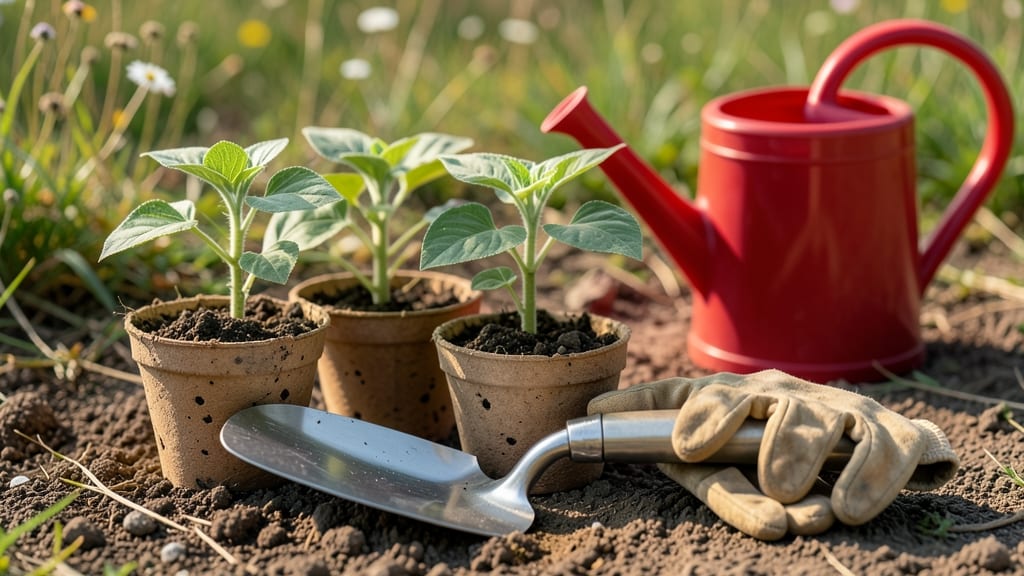
Transplanting sunflower seeds at the right time ensures strong roots and towering 🌻 blooms—but get it wrong, and you risk stunted growth or weak stems.
You’ve probably heard that sunflowers love warmth, but the perfect transplant window isn’t just about air temperature. Soil must be at least 50°F, and frost-free nights are a must. Miss these cues, and your seedlings may struggle to establish before the heat arrives.
Beyond the calendar, moon phases play a surprising role in root development. A waxing moon can boost growth, while a full moon affects flowering timing. Combine these factors with your local climate, and you’ll know exactly when to move those seedlings outdoors for the best results.
In this guide, I’ll break down the ideal soil temps, lunar timing, and regional adjustments so you can transplant sunflower seeds with confidence—and watch them reach their full, sun-soaked potential.


Ideal soil temperature and climate conditions for transplanting sunflower seeds
Transplanting sunflower seeds at the wrong time can lead to stunted growth, poor root development, or even death. The key to success lies in understanding soil temperature thresholds, frost-free windows, and your USDA planting zone. Sunflowers are hardy but need consistent warmth to thrive after transplantation.
For optimal root establishment, your soil should reach a minimum of 50°F (10°C). Below this temperature, sunflower roots struggle to absorb nutrients, leading to weak seedlings. In cooler climates like USDA zones 3-5, wait until late spring when nighttime temperatures consistently stay above 55°F (13°C).
In warmer regions (USDA zones 6-11), you can transplant as early as mid-March, but always verify your last frost date. Sunflowers hate frost—even a light freeze can kill young transplants. Use a soil thermometer to confirm readiness before planting.
Here’s a quick reference for your region:
Transplanting in cool, cloudy weather reduces stress on sunflower seedlings. If your forecast calls for hot, dry conditions within a week of transplanting, delay until temperatures drop slightly. Use shade cloth or mulch to protect young plants from heat stress.
Another critical factor is moisture balance. Sunflowers need consistent watering after transplanting, but soggy soil can suffocate roots. Aim for 1-1.5 inches of water per week, delivered in the early morning to prevent fungal diseases like powdery mildew.
For container-grown sunflowers, ensure pots have drainage holes and use a lightweight potting mix. Transplant seedlings into containers when soil temperatures are stable, and avoid overcrowding—space dwarf varieties 12 inches apart and standard types 24-36 inches apart.
If you’re in a high-altitude region, transplant sunflowers 2-3 weeks later than recommended for your zone. Cooler mountain air delays soil warming, so monitor temperatures closely. Hardening off seedlings for 7-10 days before transplanting also improves survival rates.
Finally, avoid transplanting sunflowers during peak summer heat in southern climates. The combination of high temperatures and direct sunlight can cause transplant shock, even if soil temperatures are ideal. Prioritize early spring or late summer transplanting for best results.
Lunar calendar secrets: best moon phases for sunflower transplant success
Transplanting sunflowers under the right moon phase can dramatically improve root development and flowering success. The waxing moon phases (when the moon is growing brighter) are ideal for root crops, while the full moon enhances flowering and seed production.
Understanding these lunar rhythms helps you align your planting schedule with nature's cycles for stronger, healthier sunflowers.
Many gardeners swear by the lunar calendar for planting, but the science is clear: the moon's gravitational pull affects water movement in soil, making roots absorb moisture more efficiently during waxing phases.
For sunflowers, this means faster establishment and reduced transplant shock when moved to the garden during these optimal windows.
For 2024, mark these waxing moon windows for transplanting sunflower seedlings: May 12-18, June 10-16, and July 9-15. These dates align with the moon's gravitational pull to maximize root absorption.
I always check my local lunar calendar and plan transplants 2-3 days before the full moon to give roots time to establish before flowering begins.
One common myth is that you should never plant during a full moon, but this isn't true for sunflowers. While the full moon isn't ideal for transplanting, it's perfect for flowering stages.
The key is to avoid planting during the waning moon phases (when the moon is shrinking), as this can lead to weak root systems and poor establishment.
To make the most of lunar timing, harden off your seedlings for 7-10 days before transplanting during the waxing phase. This means gradually exposing them to outdoor conditions while keeping them in partial shade.
On transplant day, water deeply in the evening before moving plants to reduce stress. The moon's influence on water absorption will help your sunflowers establish roots quickly.
Remember, lunar planting is just one piece of the puzzle. Combine it with soil temperature checks (wait until soil is at least 50°F) and after-frost dates in your region.
In my Zone 6a garden, I never transplant sunflowers before May 15, even if the moon phase is perfect, because late frosts can still damage young plants.
For next year, grab a lunar planting guide and track your sunflower's growth by moon phase. You'll likely notice faster germination, stronger stems, and bigger blooms when you align your planting with the waxing moon. Happy gardening under the stars! 🌻🌒