
Size
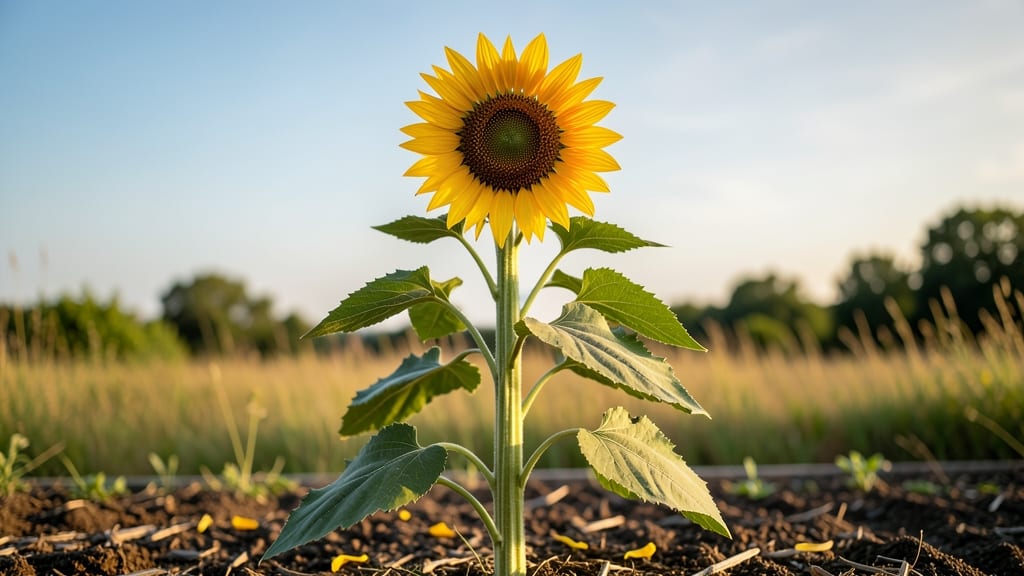
How tall do mammoth sunflowers get—reaching heights of 10 to 16 feet—far surpassing most gardeners' expectations, and sometimes even rivaling the height of a two-story building!
If you're dreaming of towering sunflowers that turn heads in your garden, these giants might be your perfect match—but knowing their exact heights is key to planning space, support, and expectations.
Not all Mammoth sunflowers grow the same way, though. Varieties like the Mammoth Russian can stretch toward 14 feet or more, while others may stay closer to 8 feet if conditions aren’t ideal.
Below, I’ll break down how to maximize their growth, when to expect full height, and how to support those towering stems so they stand strong all season long.


Mammoth sunflower height guide by variety: exact measurements for garden planning
If you're planning a garden that reaches for the sky, Mammoth sunflowers are the stars of the show—but their heights can vary dramatically depending on the variety. Some tower over your fence, while others stretch toward your roofline.
Understanding these differences helps you choose the perfect variety for your space, whether you're creating a privacy screen, a cut-flower display, or a bird-friendly oasis.
Let's break down the exact heights you can expect from the most popular Mammoth sunflower varieties, so you can plan your garden with confidence.
From the Mammoth Russian to the Mammoth Single Face, each variety has its own growth quirks. Some reach their full potential in a single season, while others need ideal conditions to hit their maximum heights.
Knowing these details ensures you allocate enough space, provide proper support, and avoid overcrowding. Let’s dive into the specifics so you can make the best choices for your garden layout and goals.
📊 Here’s a quick reference for the most popular Mammoth sunflower varieties and their typical heights:
The Mammoth Russian variety is often the tallest, with some specimens reaching 16 feet or more under ideal conditions. This makes it perfect for privacy screens or dramatic backyard statements, but it also requires ample space and sturdy staking to prevent toppling.
If you're working with limited space, the Mammoth Single Face or Mammoth Teddy Bear varieties offer slightly shorter heights while still delivering stunning blooms. These varieties are ideal for container gardening or smaller backyards.
When planning your garden, consider the mature height of each variety and how it fits into your layout. For example, a 14-foot sunflower will cast a long shadow and may block sunlight from nearby plants.
Give each plant at least 18–36 inches of space between stems to ensure proper airflow and reduce the risk of fungal diseases. In tight spaces, opt for dwarf Mammoth varieties or consider training taller varieties against a trellis or fence to save ground space.
Another key factor influencing height is soil fertility and water availability. Mammoth sunflowers thrive in well-draining, nutrient-rich soil with consistent moisture, especially during their early growth stages. If your soil is poor or compacted, the plants may not reach their full potential.
Amend your soil with compost or organic matter before planting to provide the nutrients these giants need to grow tall and strong. Additionally, deep watering—especially during dry spells—helps maintain vigorous growth and prevents stems from becoming weak or brittle.
If you're growing Mammoth sunflowers for cut flowers, aim for varieties like the Mammoth Russian Improved, which not only reach impressive heights but also produce large, long-lasting blooms. These sunflowers are perfect for bouquets and floral arrangements, and their towering presence adds drama to any garden.
For bird lovers, the Mammoth Single Face variety is a great choice, as its seeds provide a valuable food source for goldfinches and other birds once the blooms fade.
One common mistake gardeners make is underestimating the wind resistance of tall sunflowers. In windy areas, even the sturdiest stems can bend or break. To prevent this, install support stakes or cages early in the growing season, especially for varieties like the Mammoth Russian Improved.
You can also tie stems to a trellis or fence for added stability. This not only protects your investment but also ensures your sunflowers maintain their upright, majestic appearance throughout the season.
Finally, remember that height isn’t the only factor to consider when selecting Mammoth sunflowers. Bloom size, color, and even the seed variety can influence your gardening goals. For example, if you're growing sunflowers for birdseed, choose varieties with large, dense
How to maximize Mammoth sunflower growth: tips for reaching full height potential
If you've planted Mammoth sunflowers hoping for those jaw-dropping heights, you're not alone! But achieving their full height potential of 10-16 feet requires more than just good luck. These giants need the right conditions to reach their maximum stature.
The key lies in understanding their growth needs and giving them the support they crave from day one.
One of the biggest mistakes gardeners make is assuming Mammoth sunflowers will thrive on their own. Without proper soil preparation, staking techniques, and consistent care, even the hardiest varieties can fall short of their impressive height targets.
Think of your sunflowers like skyscrapers—they need a solid foundation, proper nutrients, and support to reach the sky.
- 🌱 Soil Prep: Amend soil with compost and organic matter to a depth of 12 inches before planting.
- ☀️ Sunlight: Ensure 6-8+ hours of direct sunlight daily—no compromises!
- 💧 Watering: Deep water 2-3 times per week during active growth (spring/summer).
- ✂️ Staking: Install 3-foot stakes at planting and tie stems every 2-3 feet as they grow.
- 🌡️ Spacing: Plant seeds 18-24 inches apart to prevent overcrowding and competition.
- 🌱 Fertilizing: Use a balanced 10-10-10 fertilizer every 4-6 weeks during growing season.
- 🌿 Mulching: Apply 2-3 inches of organic mulch to retain moisture and cool roots.
Let's talk about soil preparation first—this is where many gardeners fall short. Mammoth sunflowers need nutrient-rich, well-draining soil to support their towering growth. Before planting, mix in compost or aged manure to a depth of at least 12 inches.
This gives their deep roots the organic matter they need to anchor themselves and access nutrients efficiently. If your soil is heavy clay or sandy, consider planting in raised beds for better control over drainage and fertility.
Once your soil is ready, focus on watering schedules that match their growth stages. Young seedlings need consistent moisture but can't handle soggy soil. Water deeply 2-3 times per week during their first month, then increase to every 2 days once they reach 3 feet tall.
The goal is to keep the soil evenly moist but never waterlogged. Morning watering is ideal—it reduces fungal diseases and gives leaves time to dry before evening.
Here's a pro tip: Staking isn't just for decorative support—it's essential for preventing stem breakage in windy conditions. Install 3-foot bamboo stakes at planting time, then gently tie the main stem to the stake with soft plant ties every 2-3 feet as the sunflower grows.
For extra stability, consider using tree rings or wire cages if you're growing in container gardens. This support system allows them to focus energy on vertical growth rather than struggling against wind or rain.
Don't forget about seasonal planting tips—timing matters! Plant Mammoth sunflowers 2-3 weeks after your last frost date when soil temperatures reach 55°F or warmer. If you're in a shorter growing season, opt for early-maturing varieties like 'Mammoth Single Face' to ensure they reach full height before frost.
In warmer climates, you can even try a fall planting for late-season blooms, though heights may be slightly reduced.
With these strategies, your Mammoth sunflowers will reach their full height potential, creating a stunning focal point in your garden that neighbors will envy. The secret? Patience, preparation, and proper support—just like building a skyscraper, but with a lot more sunshine and sunshine-loving flowers! 🌻