
Size
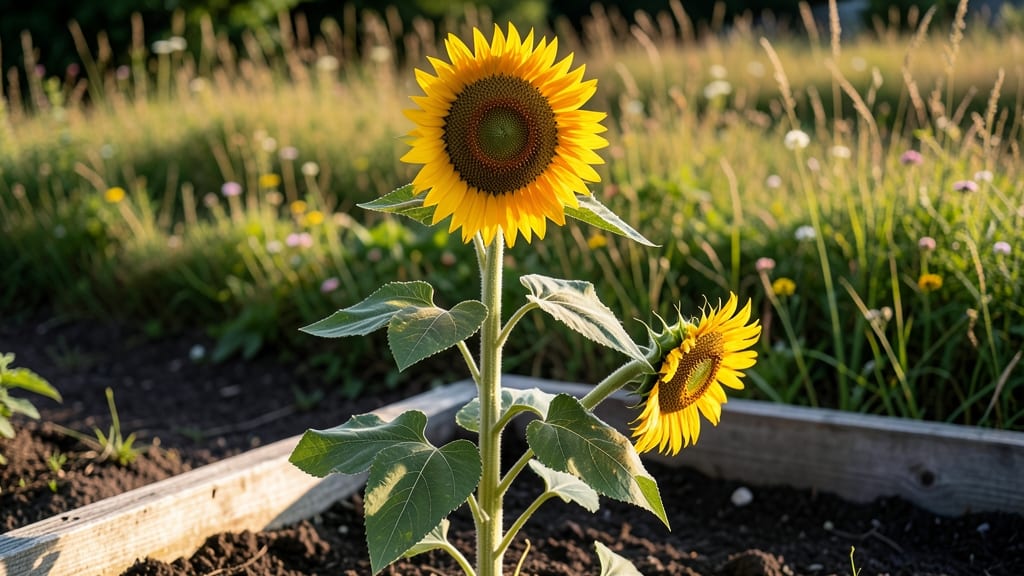
Sunflower plants get as tall as 16 feet in the right conditions — a jaw-dropping sight that turns any garden into a vertical masterpiece.
Picture this: a 12-foot stalk swaying in the breeze, its golden bloom reaching higher than you can stretch your arms. That’s not just a plant; it’s a living skyscraper. But here’s the catch: not all sunflowers grow that tall.
Some stay as short as 3 feet, perfect for containers or small spaces. The variety you pick determines the height, and how you care for it can push those limits even further.
Whether you’re dreaming of a towering Russian Giant or a compact Teddy Bear variety, understanding how tall sunflowers grow helps you plan your garden layout, support their stems, and even predict when they’ll need staking.
Below, I break down the height ranges by type, the growth stages that shape their final size, and the simple tricks to help them reach their full potential — or keep them manageable if space is tight.
You’ll also discover how sunlight, soil, and watering habits play a role in their growth, plus how to spot the signs of a sunflower that’s about to stretch skyward. Ready to grow a sunflower that steals the show? Let’s get started.


Sunflower height ranges by variety: from dwarf to giant species
Sunflowers are nature’s skyscrapers, with some varieties stretching taller than a two-story house while others stay cozy at waist height. The final height of your sunflower depends on its genetic variety and growing conditions.
Whether you're dreaming of a dwarf sunflower border or a giant sunflower statement, choosing the right variety is key to achieving your vision. Let’s explore the stunning diversity in sunflower heights and what makes each type unique.
From compact dwarf varieties perfect for containers to monumental giants that dominate the landscape, sunflowers offer something for every garden size. The height range can vary dramatically—even within the same species—so understanding these categories will help you select plants that thrive in your space.
Whether you're a beginner or a seasoned gardener, knowing these distinctions ensures your sunflowers grow to their full potential without crowding your neighbors or your own backyard.
| Variety Type | Height Range | Popular Cultivars | Best For | Sun Needs |
|---|---|---|---|---|
| Dwarf | 1–3 ft | Teddy Bear, Munchkin, Little Becka | Containers, borders, small gardens | Full sun (6+ hours) |
| Semi-Dwarf | 3–6 ft | Moulin Rouge, Autumn Beauty, Teddy Bear Improved | Cut flowers, cottage gardens, mid-size beds | Full sun (6+ hours) |
| Standard | 6–10 ft | Autumn Beauty, ProCut, Russian Giant (early stage) | Cut flower fields, privacy screens, focal points | Full sun (8+ hours) |
| Giant | 10–16 ft | Russian Giant, Mammoth, Giant Russian | Large gardens, events, dramatic displays | Full sun (8+ hours) |
If you're working with limited space, dwarf varieties like 'Teddy Bear' (3–5 ft) are perfect for containers or window boxes. These compact sunflowers bloom early and produce cheerful, child-friendly flowers that thrive in well-draining soil.
Their smaller stature makes them ideal for urban gardens or balconies where vertical space is at a premium. Just ensure they receive at least 6 hours of sunlight daily to prevent leggy growth.
For a mid-height statement, semi-dwarf varieties like 'Moulin Rouge' (5–6 ft) strike the perfect balance. These sunflowers are versatile for cut flowers and add height to flower arrangements without overwhelming smaller gardens.
Their branching habit also produces multiple blooms per stem, giving you more bang for your buck. Plant them in well-composted soil and space them 18–24 inches apart to encourage strong stems.
When you're aiming for dramatic impact, giant sunflowers like 'Russian Giant' (12–16 ft) are the stars of the show. These towering beauties require ample space and rich, fertile soil to reach their full potential.
To prevent toppling in windy conditions, plant them in groups of 3–5 and stake them with bamboo supports or heavy-duty cages. Their massive blooms make them a conversation piece and are perfect for weddings, festivals, or large garden displays.
Did you know that sunflower height isn’t just about genetics? Environmental factors like soil nutrition, water availability, and sunlight exposure can significantly influence how tall your plants grow.
For example, over-fertilizing with nitrogen can lead to excessive foliage growth at the expense of height, while consistent deep watering ensures strong stems that support those towering blooms. Always aim for well-balanced fertilizer (like 10-10-10) and mulch around the base to retain moisture.
For container gardening, stick to dwarf or semi-dwarf varieties to avoid overpowering your space. Use large pots (at least 12 inches deep) with drain
How sunflower height changes through growth stages (with visual timeline)
Watching sunflowers grow is like witnessing nature’s time-lapse masterpiece—those delicate seedlings you plant can transform into towering giants in just a few months! Their height progression isn’t linear, though. Each growth stage brings dramatic changes, influenced by sunlight exposure, soil nutrients, and even your watering habits.
For example, a 'Russian Giant' variety might start as a 2-inch sprout but reach 12–16 feet by late summer, while a 'Teddy Bear' stays cozy at 3–5 feet.
The most critical growth spurts happen between weeks 4–8, when stems elongate rapidly. This is when proper staking support becomes essential for tall varieties to avoid snapping in wind or rain.
Even dwarf sunflowers need 6+ hours of sunlight daily to reach their potential height, but the real magic happens when roots establish deep into nutrient-rich soil—think of it as their growth fuel tank.
- 1. Week 1–2: Seedlings emerge 1–2" tall 🌱
- 2. Week 3–4: Rapid stem growth to 12–18" with first true leaves 🌿
- 3. Week 5–6: Bolting begins; stems shoot up 3–6" per week (giant varieties) 🌳
- 4. Week 7–8: Bud formation; heights vary widely (3–10 ft for most types) 🌻
- 5. Week 9–12: Full maturity; giant varieties reach 10–16 ft (staking critical!) ✂️
Did you know that soil moisture during the bolting stage (weeks 5–6) directly impacts final height? Overwatering can cause weak stems, while drought stress slows growth entirely. I’ve seen 'Moulin Rouge' sunflowers (5–6 ft) nearly double in height when given consistent deep watering (1–2 gallons per plant weekly).
For giant varieties, mulching with straw or wood chips helps retain moisture and prevent toppling by stabilizing the soil.
Environmental factors like temperature swings and wind exposure also play a role. Sunflowers grown in USDA Zone 6a or warmer (like my garden!) tend to mature faster, while cooler climates may see delayed growth.
If you’re planting tall varieties, choose a sheltered spot and install bamboo stakes or cages early—once the stem reaches 3 feet, it’s too late to add support without risking damage.
One of my favorite tricks for controlling height is pruning side shoots in dwarf varieties like 'Autumn Beauty'. Removing these secondary stems redirects energy to the main flower, resulting in a thicker, more stable stalk.
For giants, though, let those side shoots grow—they create a lush, fuller plant that’s more wind-resistant. Just remember: height and stability are a trade-off you’ll need to manage based on your garden’s conditions.
By late summer, you’ll notice the flower heads begin to droop—a sure sign of maturity. This is when height stops increasing, but the real fun begins as seeds develop.
Whether your sunflowers reach waist height or skyscraper status, their growth journey is a testament to nature’s ability to transform a tiny seed into a sun-soaked masterpiece. 🌻