
Flowers
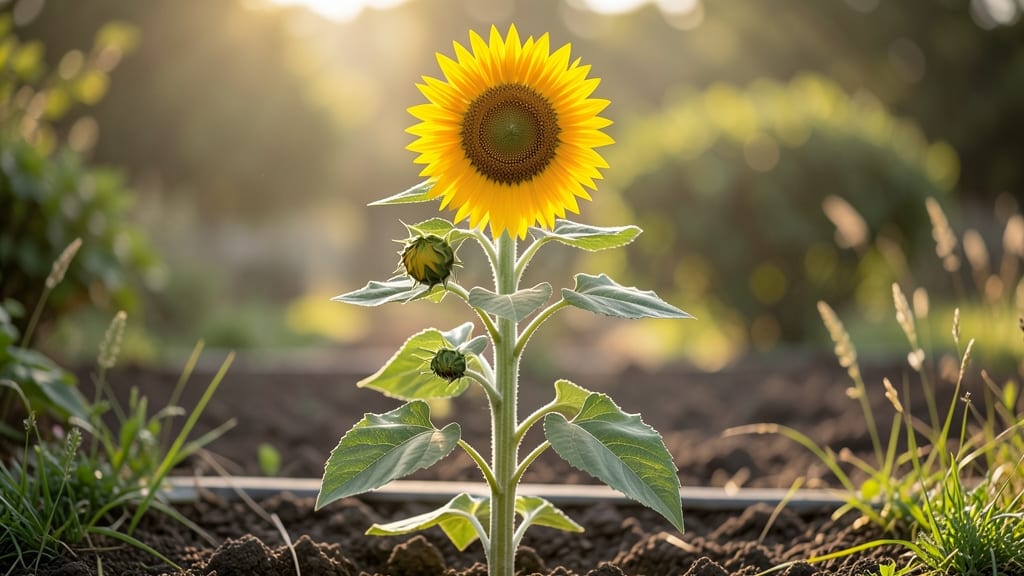
Sunflowers bloom in Florida from late spring through fall, with peak seasons shifting from north to south 🌻—think May to June in the Panhandle and October to November down in Miami.
Picture this: you’ve just planted your sunflower seeds, only to watch them wilt before ever reaching their towering, golden potential. That’s the frustration of planting at the wrong time, especially when Florida’s climate offers two distinct windows for success.
Whether you’re in the frost-prone 8a zones of North Florida or the frost-free 11 of the Keys, timing matters. Spring plantings in February or March yield summer blooms, while late August to September sowings deliver fall color—just in time for photos.
Below, I’ll break down the exact months for each region, how to stretch the season with smart planting, and the one trick that keeps your sunflowers thriving even when Florida’s heat or humidity tries to take over.
Florida sunflower season by region: northern vs. central vs. southern peak months
Florida’s sunflower season varies dramatically by region, thanks to its unique climate zones. In Northern Florida, frost-sensitive sunflowers bloom in late spring through summer, while Central Florida enjoys extended seasons, and Southern Florida can grow sunflowers year-round with the right timing.
Understanding these differences ensures you’ll have golden blooms when you want them most.
Northern Florida’s cooler winters and occasional frost mean sunflowers thrive in spring and summer, typically from April to October. Central Florida’s mild winters allow for slightly earlier plantings, while Southern Florida’s tropical climate lets gardeners enjoy sunflowers nearly year-round.
Let’s break down the peak blooming months for each region to help you plan your garden.
| Region | Planting Window | Peak Blooming Months | Frost Risk | Best Varieties |
|---|---|---|---|---|
| Northern Florida | Mid-February to early April Late August to September |
May - June October - November |
High (Jan-Nov) | 'Moulin Rouge', 'Autumn Beauty' |
| Central Florida | January - March August - September |
April - July September - November |
Moderate (Dec-Feb) | 'Teddy Bear', 'Russian Giant' |
| Southern Florida | Year-round (best: Feb-Mar, Aug-Sept) | March - May August - October |
Low (rare frost) | 'ProCut', 'Sunspot' |
In Northern Florida, where frost can strike as late as January, timing is critical. Plant sunflowers after your last frost date, typically around mid-February to early April for spring blooms.
For a fall display, opt for late summer plantings in August to September. The peak blooming months here are May-June and October-November, when temperatures are ideal for growth.
Central Florida’s warmer winters allow for earlier plantings, starting as early as January. This region enjoys two distinct blooming seasons: spring from April to July and fall from September to November. Varieties like 'Teddy Bear' thrive here, offering compact blooms perfect for smaller gardens or containers.
Southern Florida’s tropical climate means sunflowers can bloom almost year-round, though peak seasons align with cooler months. Plant in February-March for spring blooms or August-September for fall displays. Heat-tolerant varieties like 'ProCut' are ideal, as they handle high humidity and intense sun without stress.
For Northern Florida gardeners, frost is the biggest challenge. Always check your local frost dates and use row covers if planting early. In Central Florida, staggered plantings every 2-3 weeks can extend your blooming season.
Meanwhile, Southern Florida gardeners can experiment with year-round plantings, though summer heat may reduce bloom size.
No matter your region, soil preparation is key. Sunflowers love well-draining soil with a pH of 6.0-7.5. Amend clay soil with compost and ensure your garden spot gets full sun (6+ hours daily). In Northern Florida, mulch around plants to insulate roots during cooler months.
If you’re aiming for continuous blooms, try staggered plantings every 3-4 weeks during your region’s planting window. This technique ensures a steady supply of fresh flowers throughout the season.
For example, in Central Florida, planting in January, February, and March will give you blooms from April through July.
Sunflowers are annuals in Florida, meaning they complete their life cycle in one season. However, their seeds are edible and can be saved for next year’s garden. After harvesting, dry the seed heads and store them in a cool, dry place until your next planting season.
This not only saves money but also connects you to the natural rhythm of sunflower growth.
Whether you’re in freeze-prone North Florida or tropical South Florida, sunflowers offer a rewarding gardening experience. By aligning your plantings with your region’s peak blooming months, you’ll enjoy a garden bursting with golden cheer all season long. Happy planting! 🌻
How to extend sunflower blooms in Florida: seasonal planting tips for year-round color
Florida’s warm climate lets you enjoy sunflowers year-round with the right strategy. The key is staggered planting—sowing seeds in spring and fall to create a continuous display of golden blooms.
Even in North Florida, where frosts can occur, you can still extend the season by choosing cold-hardy varieties and timing plantings carefully.
For year-round blooms, I focus on three main planting windows: early spring, late summer, and fall. Each window caters to Florida’s microclimates, ensuring that while North Florida might experience a shorter season, South Florida can enjoy sunflowers almost year-long.
The secret lies in soil prep, variety selection, and watering consistency.
- 🌱 Spring Planting (Feb-Mar)
- ☀️ Summer Succession Planting (Jun-Jul)
- 🍂 Fall Planting (Aug-Sep)
- 💧 Soil & Water Tips
Start cold-hardy varieties like 'Autumn Beauty' or 'Moulin Rouge' after the last frost (typically mid-February in North Florida). These varieties tolerate cooler temps and bloom by May-June.
For continuous blooms, sow heat-tolerant varieties like 'ProCut' or 'Soraya' in late June. These thrive in 90°F+ temps and bloom by August-September.
Plant late-season varieties like 'Teddy Bear' (dwarf) or 'Russian Giant' in August for October-November blooms. In South Florida, you can even plant into early October for winter blooms.
Amend soil with compost for drainage and add mulch to retain moisture. Water deeply 2-3x/week during dry spells, focusing on the root zone to prevent fungal issues.
Choosing the right sunflower varieties is critical for extending your blooming season. Dwarf varieties like 'Teddy Bear' (1-3 ft tall) work well for container gardening or small spaces, while tall varieties like 'Russian Giant' (10-16 ft) dominate borders and add drama.
For heat tolerance, opt for 'ProCut' or 'Soraya', which handle Florida’s summer humidity better than traditional types.
Don’t overlook soil preparation—sunflowers thrive in well-draining, fertile soil with a pH of 6.0-7.5. Before planting, mix in compost or aged manure to boost nutrients. In sandy Florida soils, add organic matter like peat moss to improve water retention.
I also recommend testing your soil’s nitrogen levels—too much can lead to leafy growth at the expense of blooms.
To maximize blooms, deadhead spent flowers regularly. This redirects the plant’s energy from seed production back into new flower growth. In North Florida, where nights can dip below 50°F, consider using row covers or planting near heat-retaining structures like brick walls to extend the growing season.
With these tips, you’ll enjoy sunflowers from spring to fall—or even year-round in South Florida!