
Flowers
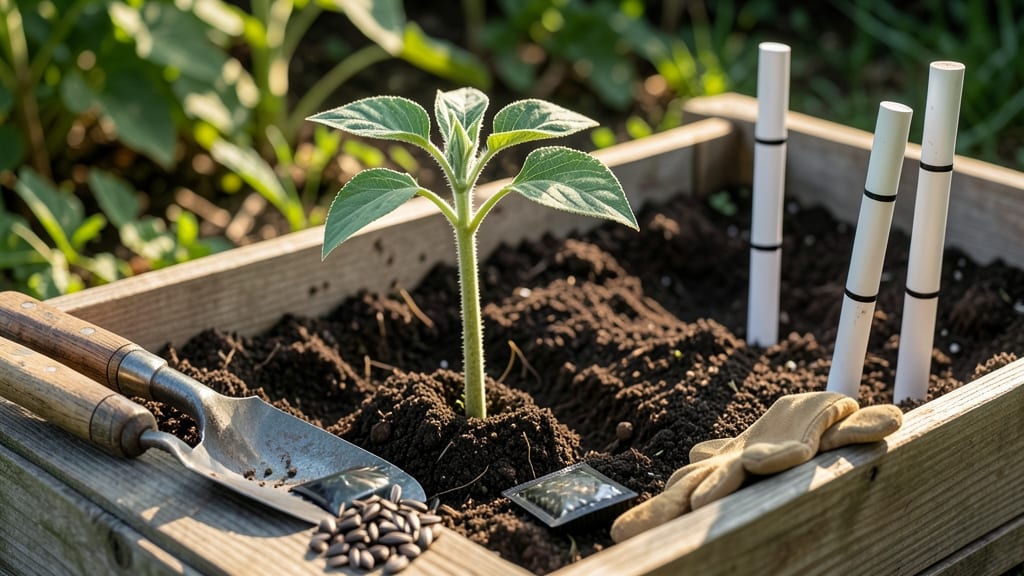
Planting sunflowers in Indiana between mid-April and early June ensures they reach their full height and bloom before the first frost 🌻 — but timing matters more than you’d think.
Picture this: you’ve waited all winter for those towering stems, only to watch them wilt under a late spring frost or bolt in the heat.
Indiana’s unpredictable weather means the difference between a 12-foot giant and a sad, stunted plant often comes down to when you drop those seeds in the ground.
Most gardeners in USDA Zone 6a (like northern Indiana) aim for April 15 to May 15, while southern Indiana’s slightly warmer Zone 7 can start as early as mid-March.
But soil temperature is the real secret — sunflowers need warm earth to germinate, so waiting for 60°F+ soil trumps the calendar every time.
Below, I’ll break down the exact frost-free planting windows for your corner of Indiana, how to adjust for late frosts or early heat, and the 3 best varieties for Hoosier summers — whether you want dinner-plate blooms or quick-cut flowers.
Indiana sunflower planting dates by USDA Zone (with frost-free deadlines)
Indiana spans USDA Zones 5, 6, and 7, each with slightly different frost patterns that dictate when to plant sunflowers. In Zone 5 (northern Indiana), the last frost typically arrives around April 20–May 5, while Zone 7 (southern Indiana) sees frost-free soil by April 1–April 15.
Zone 6 falls in between, with last frosts around April 10–April 25. Sunflowers thrive in warm soil, so waiting for consistent 60°F+ temperatures ensures strong germination.
For direct sowing, plant sunflower seeds 1–2 weeks after your last frost date. In Zone 5, this means May 1–May 15, while Zones 6 and 7 can start as early as April 20–May 1.
If you’re transplanting seedlings, wait until soil temperatures reach 55°F+ and nighttime lows stay above 45°F. Seedlings are more delicate and need protected conditions until fully hardened off.
Sunflowers are fast growers, with most varieties reaching maturity in 80–120 days. To maximize your growing season, plant a second succession crop in late May or early June, especially in Zones 6 and 7.
This ensures blooms from July through October, even if early-planted sunflowers bolt due to heat. Always space seeds 6–12 inches apart, depending on the variety—dwarf types need less room, while giant varieties require 18+ inches.
Soil temperature is critical for sunflower success. Use a soil thermometer to confirm readings of 55°F+ at 2-inch depth before planting. In cooler Zones 5 and 6, consider using black plastic mulch or row covers to warm the soil faster. Avoid planting in cold, wet soil, as this can cause seeds to rot or sprout unevenly. If your soil is still chilly, opt for heat-tolerant varieties like 'Autumn Beauty' or 'Moulin Rouge' for better adaptability.
| USDA Zone | Last Frost Date | Ideal Planting Window | Soil Temp Requirement | Notes |
|---|---|---|---|---|
| Zone 5 | April 20–May 5 | May 1–May 15 | 55°F+ (13°C+) | Use mulch for warmth; consider row covers. |
| Zone 6 | April 10–April 25 | April 20–May 10 | 55°F+ (13°C+) | Plant early varieties for longer blooms. |
| Zone 7 | April 1–April 15 | April 15–May 5 | 50°F+ (10°C+) | Extended season; plant succession crops. |
If you’re unsure about your last frost date, check local Indiana weather stations or use the National Weather Service’s frost calendar. For example, Gary (Zone 6a) typically sees its last frost by April 15, while South Bend (Zone 5b) may wait until May 1.
Planting too early in Zone 5 risks frost damage to young seedlings, so err on the side of caution. In contrast, Zone 7 gardeners can push the envelope with early April plantings, especially for heat-loving varieties like 'Russian Giant'.
For container growing, start seeds indoors 4–6 weeks before your last frost date and transplant seedlings once soil warms up. Containers heat up faster than garden beds, so monitor soil temperatures closely. Use well-draining potting mix and place containers in full sun to avoid leggy growth.
Dwarf varieties like 'Teddy Bear' or 'Moulin Rouge' are ideal for containers, as they mature quickly and don’t require deep soil.
Indiana’s unpredictable spring weather can throw off planting schedules, so always have a backup plan. If a late frost hits after planting, cover seedlings with frost blankets or move containers to a sheltered spot.
Conversely, if summer arrives early, focus on shade cloth to protect young plants from heat stress. Sunflowers are resilient, but consistent moisture during their first 4–6 weeks is key to establishing strong roots.
To extend your sunflower season, try succession planting every 2–3 weeks from May through June. This staggered approach ensures a continuous display of blooms from midsummer to fall. In Zone 7,
How to adjust sunflower planting for Indiana’s unpredictable weather patterns
Indiana’s weather can be as unpredictable as a summer thunderstorm—one day it’s freezing, the next it’s sweltering. Sunflowers, though resilient, need smart adjustments to thrive. Start by choosing cold-hardy varieties like 'Autumn Beauty' or 'Mammoth' for northern Indiana, which tolerate brief late frosts better than delicate hybrids.
If unexpected frost threatens after planting, cover seedlings with frost cloth or old blankets. Remove covers when temps rise to avoid overheating. For early heatwaves, opt for shorter varieties like 'Teddy Bear' to prevent bolting (premature flowering) in Zone 7’s intense summer sun.
Here’s how to fine-tune your planting strategy for Indiana’s quirks:
- 1 Stagger plantings in 2-week intervals from mid-April to mid-June to ensure continuous blooms, regardless of late frosts or early heat.
- 2 Mulch heavily with straw or wood chips (3–4 inches) to regulate soil moisture and prevent temperature swings that stress young plants.
- 3 Test soil moisture weekly—sunflowers wilt quickly in dry spells but rot in waterlogged soil. Water deeply once a week (1–2 gallons per plant) unless rain falls.
- 4 Prepare a backup plan: If late frost kills early seedlings, replant dwarf varieties in containers near your home for harvestable blooms by July.
For northern Indiana (Zone 5), delay planting until May 1 if April shows are cold and wet. Use row covers to warm soil faster. In southern Indiana (Zone 7)**, start seeds indoors in late March for a head start, then transplant after April 15.
If drought stress appears (yellowing leaves, drooping stems), prioritize watering young plants first—they’re most vulnerable. Mature sunflowers, however, are drought-tolerant once established, making them ideal for Indiana’s unpredictable summers.
Pro tip: Plant sunflowers near windbreaks (like fences or shrubs) to reduce stem damage from Indiana’s spring storms. With these adjustments, your sunflowers will thrive despite the chaos—and you’ll enjoy bountiful blooms from July to frost. 🌻