
Planting
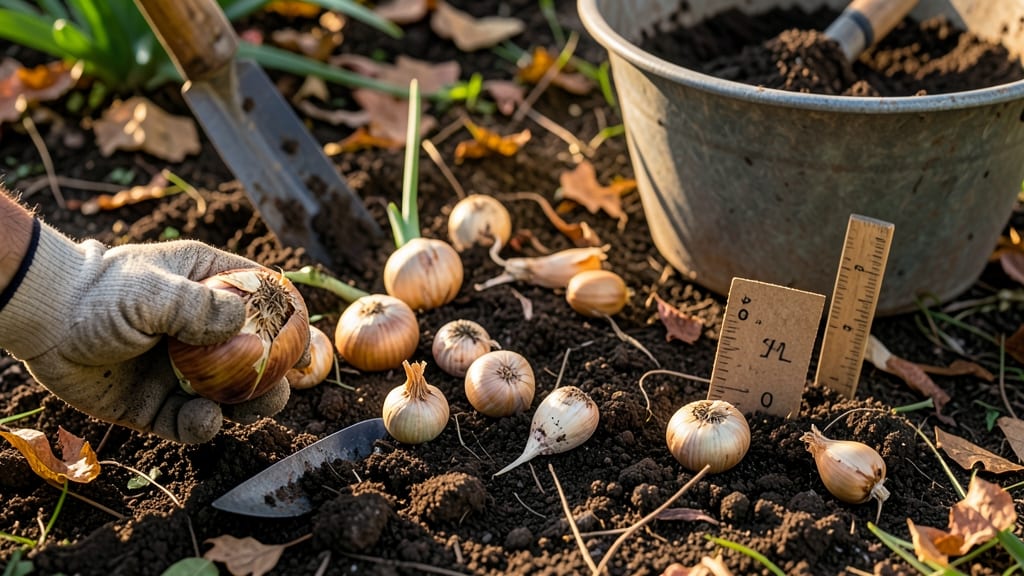
Planting flower bulbs 🌷 in the fall is all about timing—get it right, and you’ll wake up to a garden bursting with color next spring.
Timing is everything when planting fall flower bulbs—plant too early, and they’ll rot; too late, and they won’t bloom. Missing the window by even a week can mean the difference between a showstopping spring garden and a disappointing one.
In USDA Zone 6, the ideal window is 6-8 weeks before the first frost, typically mid-September through early November. But regional differences matter—cooler climates need an earlier start, while warmer areas can wait a bit longer.
Below, I’ll break down the exact deadlines by zone, the best bulbs for your area, and how to adjust for early or late frosts—so you can plan with confidence and avoid common mistakes.
USDA Zone deadlines for planting fall flower bulbs by region
Getting your fall flower bulbs in the ground at the right time is the secret to vibrant spring blooms. The USDA zone you live in determines your planting deadline, which can vary by 4-6 weeks depending on whether you're in Zone 3 or Zone 10.
Plant too early, and bulbs may rot; too late, and they won't develop strong roots before winter. Let's break down the exact windows for your region.
Most gardeners aim to plant bulbs 6-8 weeks before the first hard frost. This gives roots time to establish but prevents bulbs from sprouting too early. In colder climates, this means starting in early September, while warmer zones can wait until late November.
Climate shifts—like earlier frosts or milder winters—are changing these timelines, so always check your local frost dates.
Here’s your zone-by-zone planting schedule, including hard deadlines to avoid frost damage. Use this as your guide to ensure your tulips, daffodils, and hyacinths thrive next spring.
If you’re in Zones 3-5, start planting by September 1st—any later, and your bulbs may not root deeply enough before the ground freezes. In Zones 6-7, aim for mid-September to early October, as first frosts can arrive by October 15th.
For Zones 8-9, you have more flexibility, but don’t wait past early November, or bulbs may sprout too early and get damaged.
In Zone 10, where winters are mild, you can plant until early December. However, even here, avoid planting after the first frost, which can shock tender bulbs.
If you’re unsure about your frost dates, check your local Cooperative Extension Service or use a frost calendar app for real-time updates.
Climate change is pushing earlier frosts in some regions, so adjust your timeline if you’ve noticed shifts. For example, if your area used to have a November 1st frost date but now gets frost by October 15th, plant bulbs 2 weeks earlier than the traditional schedule.
This small adjustment can save your bulbs from winter damage.
Pro tip: Use a soil thermometer to check if the ground has cooled to the ideal 40-60°F (4-16°C) range. Bulbs planted in warm soil (above 60°F) may sprout prematurely and die back in cold snaps.
If your soil is still too warm, wait a few weeks or plant in a shaded spot to delay sprouting.
Don’t forget to mulch after planting to insulate bulbs and protect them from temperature fluctuations. A 2-3 inch layer of straw or shredded leaves
Best fall-blooming bulbs and their ideal planting months
Fall-blooming bulbs are the unsung heroes of spring gardens, delivering vibrant color after months of winter dormancy. But unlike annuals, these bulbs need precise timing to thrive—plant them too early, and they’ll rot; too late, and they’ll fail to establish roots before frost.
The key isn’t just calendar dates but soil temperature, which triggers root growth. Most bulbs need 6-8 weeks of chilling before the ground freezes, but cold-hardy varieties like crocuses can handle earlier planting.
Not all bulbs are created equal. Cold-hardy bulbs (e.g., daffodils, crocuses) can tolerate freezing temperatures and even early snow, while tender bulbs (e.g., hyacinths, some tulips) need gentler conditions.
For example, USDA Zone 5 gardeners should plant by mid-October, but in Zone 9, the window stretches until December. Soil temperature—below 60°F (15°C)—is your best guide, not just the calendar.
- 1Tulips: Plant 6-8 weeks before frost (Sept-Oct in most zones). Cold-hardy but need well-draining soil to prevent rot.
- 2Daffodils: Deer-resistant and frost-tolerant; plant 4-6 weeks before first frost (Oct-Nov). Handle freezing temps and early snow.
- 3Crocuses: Early bloomers (Feb-Mar); plant August-Sept in cooler zones (Zone 3-5). Dwarf height (3-6") makes them ideal for rock gardens.
- 4Hyacinths: Tender bulbs; plant October-November in Zones 5-8. Need well-draining soil and protection from wet winters.
- 5Alliums: Drought-tolerant and late bloomers (May-June); plant September-October. Large globes add drama to cut flower gardens.
Soil temperature is your secret weapon for nailing the perfect planting window. Use a soil thermometer to check when temps drop to 60°F (15°C)
In warmer climates (Zones 7-10), bulbs like tulips and daffodils may need summer planting to avoid heat stress. For example, in Zone 9, I plant mine in August to let roots establish before winter rains. Don’t overlook planting depth—it’s critical for bulb health. Most bulbs should go 2-3 times deeper than their height (e.g., a 2" tulip bulb needs 4-6" of soil). Shallow planting exposes bulbs to frost heave, while over-deep planting can delay blooming. Add compost to the bottom of the hole to boost drainage, especially in clay-heavy soils. Mulch with 2-3 inches of straw after planting to insulate bulbs and retain moisture. Pro tip: Label your bulbs if you’re mixing varieties! I use biodegradable plant markers to track what’s where—especially helpful when crocuses (early bloomers) and tulips (late bloomers) share the same bed. This way, you’ll know which deadhead after flowering and which to leave for next year’s show. Remember, fall-planted bulbs need 6-8 weeks of root growth before winter sets in. If your area has unpredictable frosts, err on the side of earlier planting. For instance, in Zone 4, I plant by early September to ensure roots establish before the ground freezes in November. With the right timing and care, these bulbs will reward you with months of spring color—and maybe even a few late-summer surprises if you leave the foliage to die back naturally. 🌷