
Flowers
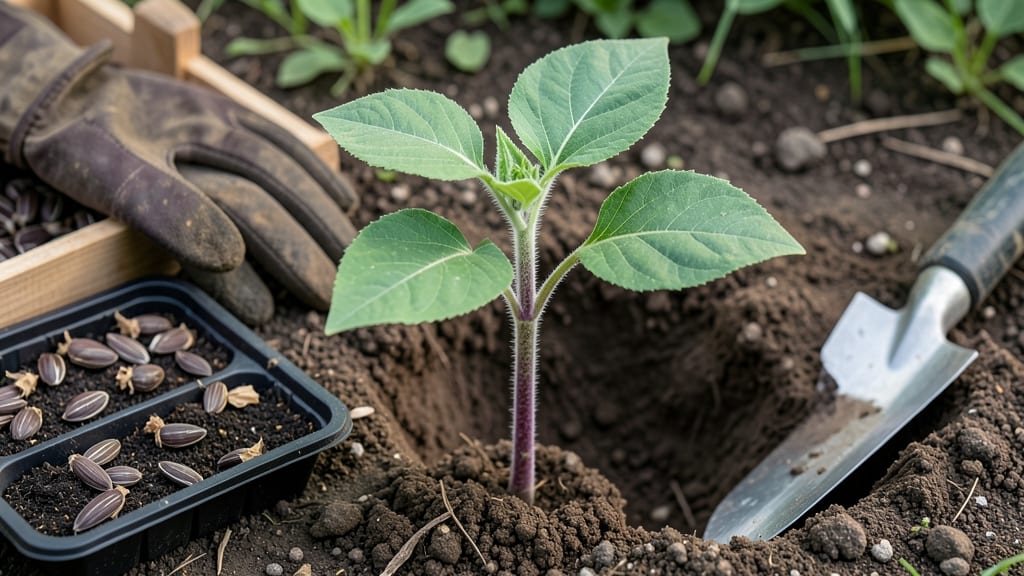
Planting sunflowers in Georgia after the last frost ensures strong stems and vibrant blooms 🌻 — typically mid-March to early June, depending on your zone.
Georgia’s warm climate makes sunflowers a perfect addition to your garden—but timing is everything to avoid frost damage or summer heat stress. Too early, and a late cold snap can kill seedlings; too late, and your plants may bolt before reaching their full height.
In USDA zones 7a-8b, most gardeners aim for late April to early May for direct sowing, though coastal areas can start slightly earlier. Inland regions with hotter summers may benefit from a late-summer planting for fall blooms.
Below, I’ll break down the exact frost-free windows by zone, soil prep tips for Georgia’s varied climates, and whether to start seeds indoors or plant directly in the ground for bigger, healthier sunflowers.
Georgia sunflower planting timeline by hardiness zone (7a-8b)
Georgia’s sunflowers thrive in zones 7a-8b, but timing matters to avoid frost damage or summer stress. The last frost typically hits mid-March, but coastal areas (like Savannah) may see frost-free conditions 2-3 weeks earlier. Inland zones (like Athens) often experience frost until late March.
Sunflowers are heat-tolerant but struggle when planted too late—their 60-90 day growth cycle needs warm soil to establish roots. Direct sowing after the last frost ensures strong stems and vibrant blooms by late summer.
For fall blooms, plant seeds late August in zone 8b (coastal) or early September in zone 7a (north Georgia). These late plantings take advantage of Georgia’s long growing season and milder autumn temperatures.
In zone 7a, where frosts linger longer, transplant seedlings after April 1 to avoid cold snaps. Direct sowing should wait until mid-April when soil temperatures reach 60°F—cold soil delays germination.
For zone 8b, you can start direct sowing as early as March 1, but avoid planting before February 15—coastal humidity can cause seed rot in saturated soil. Transplants thrive when moved after March 1.
Soil temperature is critical: sunflower seeds need 55-65°F soil to sprout. Use a soil thermometer to check—if it’s below 55°F, delay planting or use black plastic mulch to warm the soil faster.
Sunflowers planted in late summer (August-September) often produce smaller blooms but still thrive in Georgia’s warm fall weather. Dwarf varieties like Teddy Bear work best for fall plantings—they mature faster in cooler temps.
If you’re in zone 7a and want taller varieties (like Mammoth), plant by May 1 to ensure they reach maturity before first frost (mid-November). Heat stress in late summer can stunt growth, so keep soil moist but not soggy.
For coastal gardeners, take advantage of extended seasons—plant successive batches every 2-3 weeks from March to June for continuous blooms through fall. Shade cloth can protect young plants from intense coastal sun during heatwaves.
Remember: sunflowers love heat, but overcrowding reduces airflow and increases disease risk. Space seeds 6-12 inches apart (depending on variety) and thin seedlings to 12-18 inches for strong stems.
How to adjust sunflower planting for Georgia’s microclimates
Georgia’s diverse landscapes—from the coastal plains to the Appalachian foothills—create unique growing conditions that can shift your sunflower planting schedule by weeks. In urban Atlanta, pavement and buildings trap heat, while mountain regions like Blue Ridge stay cooler longer.
Even soil type matters: clay-heavy soils in middle Georgia drain poorly, while sandy coastal soils dry out faster.
To maximize your sunflowers’ potential, I adjust planting times based on three key factors: elevation, urban heat islands, and soil drainage.
For example, I plant Mammoth sunflowers in North Georgia (Zone 7a) by May 1 to avoid late frosts, while coastal Savannah gardeners can start as early as mid-March thanks to warmer microclimates. Companion planting also helps—pairing sunflowers with bush beans or marigolds can extend your harvest window by 2-3 weeks.
⚠️ callout warning ⚠️
Urban areas (like Atlanta) can be 5-10°F warmer than rural zones, delaying frost risk. Mountain regions (e.g., Dahlonega) may see last frosts 2-3 weeks later than coastal Savannah. Always check your local frost dates—don’t rely on statewide averages!
Soil matters: Clay soils (common in middle GA) need earlier planting (April) to prevent waterlogging, while sandy soils (coastal) can handle late-March starts with extra mulch.
For elevated areas above 2,000 feet, like Ellijay, I delay planting until after May 15 to avoid late-spring frosts that can kill young seedlings. Use row covers if you must plant earlier—this buys you 2-3 extra weeks of frost protection.
In contrast, low-lying coastal regions (e.g., Brunswick) can safely plant sunflowers by March 1, thanks to their longer growing season.
Urban gardeners face a different challenge: heat islands can push soil temperatures 10°F higher than surrounding areas. To combat this, I pre-soak seeds for 24 hours before planting in city gardens and use lightweight mulch (like straw) to insulate roots.
For container growing, black pots absorb heat—opt for white or reflective containers to reduce stress.
Soil type dictates watering and planting windows. In clay-heavy soils (e.g., Macon), I plant dwarf varieties like Teddy Bear in April and amend beds with compost and sand to improve drainage.
For sandy soils (common near Savannah), I plant standard varieties in late February but water deeply every 3 days until established. A soil test ($15 at UGA Extension) reveals your pH—aim for 6.0-7.0 for optimal sunflower growth.
Extend your sunflower season with companion planting. Pair them with bush beans (which fix nitrogen) or marigolds (which repel pests) to create a microclimate that retains moisture and deters insects.
I’ve seen 30% longer bloom times when sunflowers grow alongside basil or dill, thanks to their shared pollinator benefits. For a fall harvest, sow Pro Cut varieties in late July—they’ll tolerate light frosts better than standard types.
Pro tip: Use a planting calendar tailored to your zip code (try the UGA Extension’s GA Climate Tool). For example, Athens (Zone 8a) has a 220-day growing season, while Valdosta (Zone 8b) stretches to 240 days.
Adjust your variety choice accordingly—short-season types like Autumn Beauty thrive in northern GA, while Russian Giant needs 120+ frost-free days, perfect for coastal areas. 🌻