
Flowers
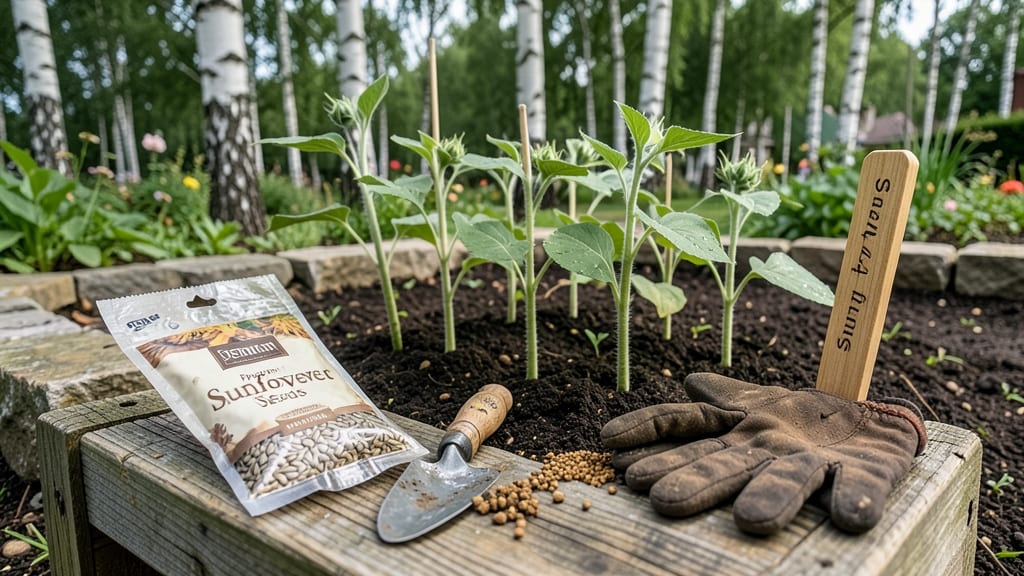
Planting sunflowers in Zone 5 after the last frost date—typically mid-May—ensures fast germination and strong growth before summer heat arrives.
Sunflowers bring bold beauty to any garden—but planting them at the wrong time in Zone 5 can mean stunted growth or missed blooms. Timing is everything for these sun-loving giants, and a few weeks can make the difference between a thriving plant and a sad, leggy shadow.
Most gardeners in Zone 5 wait until soil temperatures reach 55–60°F before planting, which usually aligns with late May. This timing gives sunflowers enough warmth to sprout quickly and mature before the first frost in October.
Below, I’ll break down the exact frost-free timeline for Zone 5, the best sunflower varieties for your short growing season, and pro tips to extend your harvest—so you can enjoy those towering blooms all summer long.

Zone 5 sunflower planting timeline: frost dates and soil temperature guide
Sunflowers thrive in Zone 5 with the right timing—planting too early risks frost damage, while late planting may delay blooms until fall. The key is understanding your last frost date and soil temperature thresholds.
Most Zone 5 regions experience their last frost between mid-April and mid-May, but this varies by location. For example, Chicago typically sees its last frost around April 25, while Pittsburgh averages May 10. Always check local almanacs or use the USDA Plant Hardiness Zone Map for precision.
Sunflowers need soil temperatures of 55–60°F to germinate properly. A soil thermometer is your best tool—planting in cold soil (below 50°F) slows growth and increases disease risk.
In Zone 5, soil usually reaches these temperatures by late April to early May, but this can shift 1–2 weeks based on weather patterns. If your soil is still chilly, consider black plastic mulch or a cold frame to warm it faster.
| Region | Last Frost Date | Ideal Planting Window | Soil Temp Threshold | Notes |
|---|---|---|---|---|
| Chicago, IL | April 25 | May 1–15 | 55–60°F | Use row covers for early starts |
| Pittsburgh, PA | May 10 | May 15–30 | 55–60°F | Warmer microclimates allow earlier planting |
| Minneapolis, MN | May 5 | May 15–June 1 | 60°F+ | Short season—choose fast varieties |
| Cincinnati, OH | April 20 | April 25–May 10 | 50–55°F | Soil warms quickly in urban areas |
| General Zone 5 | April 15–May 15 | After last frost | 55–60°F | Adjust for microclimates |
For direct sowing (the best method for sunflowers), wait until after your last frost date and when soil is consistently 55°F or warmer. If you’re eager to start earlier, you can sow seeds indoors 4–6 weeks before the last frost, but transplant carefully to avoid shocking the roots.
Sunflowers hate root disturbance, so use biodegradable pots if starting indoors. Once outdoors, plant seeds 1 inch deep and 6 inches apart, thinning to 12–24 inches as they grow.
Zone 5’s short growing season (about 150 frost-free days) means timing matters even more for sunflowers. Fast-maturing varieties like 'Moulin Rouge' (55 days) or 'Teddy Bear' (60 days) are ideal for early planting, while taller varieties like 'Russian Giant' (120 days) need a late-May start to avoid frost.
Always account for your first frost date (typically mid-October) when choosing varieties. For example, a June 1 planting of a 90-day variety will bloom by early September, giving you a full harvest before frost.
If your soil is still too cold in early spring, try black plastic mulch or a cold frame to raise soil temperatures. These methods can shave off 1–2 weeks of waiting time. Alternatively, plant sunflowers near south-facing walls or fences, where they’ll benefit from reflected heat.
Avoid planting in low-lying areas, as cold air settles there and delays warming. Pro tip: Mix compost into your planting area before sowing—warmer soil germinates seeds faster and supports stronger growth.
One common mistake in Zone 5 is
Sunflower varieties by maturity: fast-germinating types for short Zone 5 seasons
Zone 5 gardeners know time is short—frost can creep up fast, and sunflowers need warm soil to thrive. The key to success? Choosing fast-maturing varieties that bloom before first frost.
With options ranging from 38 days to 120 days to maturity, you can pick sunflowers that fit your short growing season perfectly.
In my Zone 5 garden, I’ve found that dwarf varieties like 'Teddy Bear' and 'Moulin Rouge' are my go-to choices. These compact sunflowers mature in just 55–60 days, giving them plenty of time to grow, flower, and even produce seeds before fall frost.
Their smaller stature also makes them ideal for containers or small spaces, where taller varieties might struggle.
For a comparison of top fast-germinating varieties, check out this table. It breaks down maturity times, planting windows, and height expectations to help you pick the best fit for your garden.
If you’re aiming for early blooms, start with 'Moulin Rouge' or 'Teddy Bear'. These dwarf varieties germinate quickly in 50–55°F soil, so you can plant them as soon as the ground is workable in late April.
For a mid-season splash of color, 'Autumn Beauty' offers multi-colored blooms and matures in just 65 days, giving you flexibility if your season runs long.
For taller varieties like 'Russian Giant', I recommend planting in early May and using row covers to extend the season. However, these giant sunflowers take 110–120 days to mature, so they’re a gamble in Zone 5’s short season.
If you love their dramatic height, consider succession planting or starting seeds indoors in early April for a head start.
Remember, soil temperature is just as critical as planting time. Use a soil thermometer to confirm your soil is at least 50°F before planting. Cold soil slows germination, and slow starts can delay flowering until frost arrives.
With the right variety and timing, you’ll enjoy vibrant sunflowers from summer through fall—no leggy shadows in sight! 🌻