
Flowers
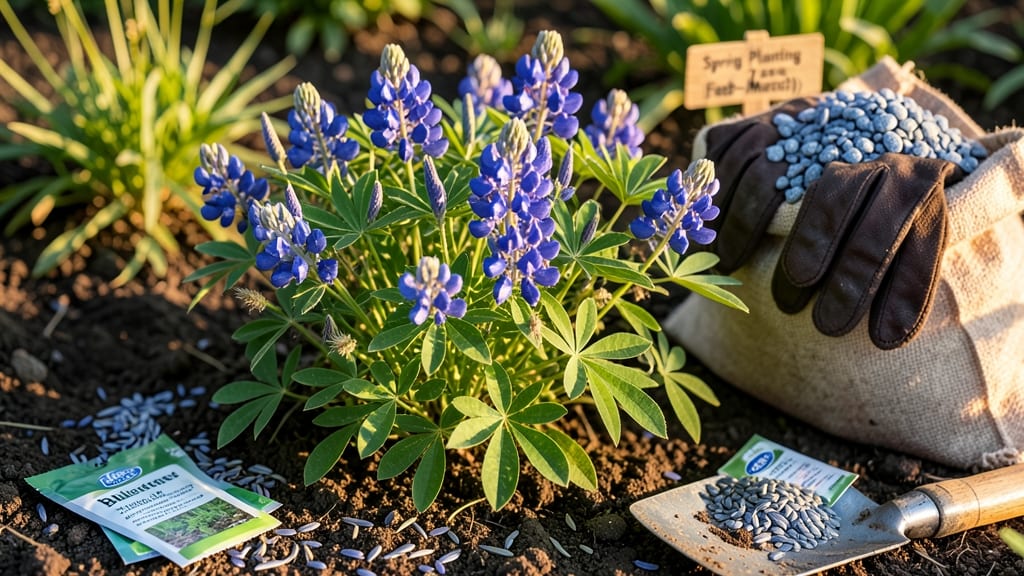
Plant wildflowers in Texas between September and November or February and April to align with the state’s 6a-10a climate zones and avoid frost damage.
Timing your wildflower planting isn’t just about dodging late freezes—it’s about catching the perfect moisture window when Texas soil is still warm enough to sprout but cool enough to prevent drought stress.
Miss the fall window, and your bluebonnets might bolt before blooming. Plant too early in spring, and a North Texas frost could wipe out your entire meadow. The right timing turns seeds into a year-round wildflower show.
Below, I break down the exact frost-free deadlines by region, the best species for each season, and how to prep your soil so those seeds take root like they’re meant to be there.
Texas wildflower planting deadlines by frost-free region (2024 guide)
Timing your wildflower planting in Texas is all about working with the state's three distinct climate zones. North Texas experiences earlier frosts, while South Texas enjoys nearly year-round growing conditions. Annual wildflowers like bluebonnets thrive when planted in fall, while perennials often benefit from spring sowing.
Missing these windows means weaker growth or missed blooms entirely.
The key to success is understanding your last frost date and planting 4-6 weeks before that date for fall varieties. For spring plantings, aim for 6-8 weeks before your first warm spell.
Texas' USDA zones 6a-10a create dramatic differences in what works where—what's perfect for the Hill Country might fail in the Panhandle.
Here's how to match your planting to Texas' three main regions for maximum impact:
For North Texas, the September 1 deadline is critical—planting after October 15 risks frost damage before roots establish.
My Central Texas garden thrives when I sow seeds by October 15, giving plants time to germinate before winter chill sets in. South Texas gardeners have more flexibility but should still avoid planting after November 15 to prevent heat stress during germination.
Spring planting follows the opposite logic: wait until soil warms to 70°F+. In North Texas, this means March 1 is your cutoff—planting earlier risks frost damage. Central Texas can extend until April 15, while South Texas enjoys a two-month window thanks to its mild winters.
Always test soil temperature with a soil thermometer before planting.
Perennial wildflowers like Mexican Feathergrass benefit from late winter planting (February-March) because they establish roots before summer heat arrives. Annuals like bluebonnets, however, need the fall window to bloom spectacularly next spring. Mixing both strategies—fall for color next year, spring for this year's blooms—creates a continuous display.
Don't overlook microclimates—a Hill Country slope may frost earlier than a valley bottom. I once planted bluebonnets on a north-facing slope in Central Texas and lost them to frost when my south-facing garden thrived. Elevate seed trays or use row covers if you're pushing the frost limits.
For drought-prone areas, always pre-soak seeds before planting to ensure 90%+ germination rates.
After planting, water deeply once weekly for the first 4-6 weeks to encourage root growth. Mulch lightly with straw to retain moisture without smothering seeds. Avoid overhead watering—it can wash seeds away or cause fungal issues.
In South Texas, reduce watering after establishment as these wildflowers are naturally drought-tolerant once established.
Remember that Texas wildflowers
Best wildflower species for Texas planting times (climate-proof picks)
Texas wildflowers thrive when planted at the right time, but the perfect window depends on the species and region. Native wildflowers like Bluebonnets and Mexican Feather Grass have specific timing needs to beat drought and heat.
Let’s dive into the best species for your Texas garden and when to plant them for maximum impact.
Fall is the golden window for most Texas wildflowers, especially in North and Central Texas, where cooler temps help seeds germinate. Spring planting works for heat-loving species like Blackfoot Daisy and Coreopsis, but timing is critical to avoid summer wilting.
Each species has unique drought tolerance and bloom triggers, so choosing the right one for your USDA zone makes all the difference.
Bluebonnets are Texas’ iconic wildflower, but they need a cool-season start. Plant them in late September to November to ensure roots establish before summer heat. In South Texas, where winters are milder, you can push planting to early December. These drought-resistant beauties reward patience with vibrant purple blooms in spring.
For spring color, Blackfoot Daisy and Coreopsis shine when sown in February or March. These species thrive in hot, dry conditions and are perfect for South Texas gardens.
Avoid planting too early—seeds may rot in winter moisture. Instead, wait until soil temps hit 60°F for consistent germination.
If you’re after year-round texture, Mexican Feather Grass is a low-maintenance superstar. Plant it in September or October to let roots settle before summer.
It handles extreme drought and even poor soil, making it ideal for xeric landscapes. Pair it with fall-planted wildflowers for a long-blooming display.
Pro tip: Mix annuals and perennials for continuous color. For example, plant Indian Blanket in fall alongside spring-blooming Coreopsis. This layered approach ensures your garden stays vibrant from March through June—even in Texas’ hottest months.