
Planting
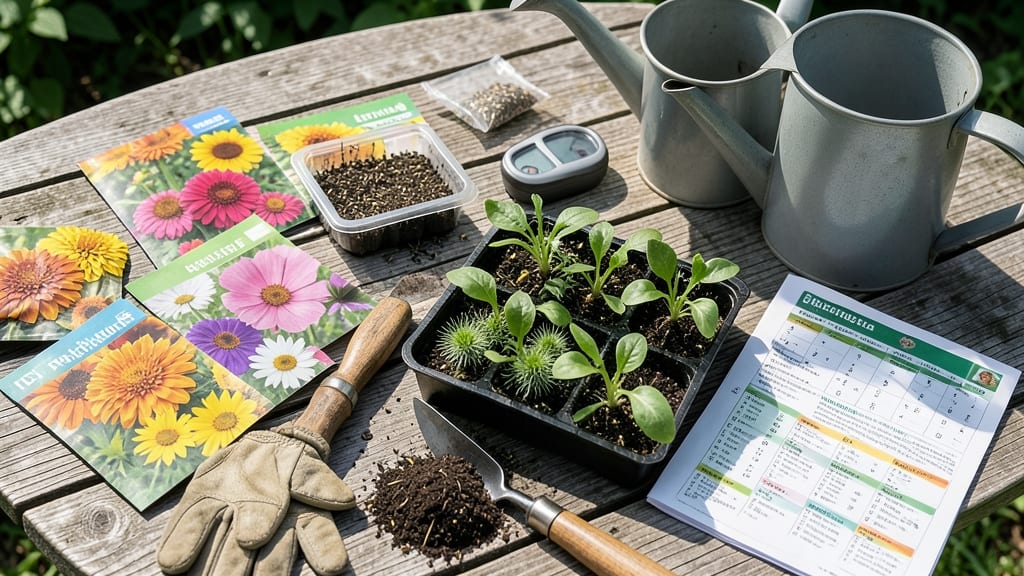
Planting flower seeds at the right time ensures fast germination and vibrant blooms, so timing your sowing to soil temperature is the key to success.
Struggling to get your flower seeds to sprout? Timing is everything—planting too early or late can leave your garden full of empty rows instead of blooming beauty. The secret lies in understanding soil temperature triggers that accelerate germination, ensuring vibrant flowers all season long.
In USDA Zone 6a, like many temperate regions, the best window for planting flower seeds is after the last frost in spring or 4-6 weeks before the first frost in fall.
But soil warmth matters more than calendar dates—cool-season flowers like pansies may germinate in 50°F soil, while heat-loving marigolds need 70°F or warmer.
Below, I’ll break down how to test soil temperature, adjust for your local climate, and avoid the three biggest mistakes that kill germination before it starts. Ready to transform your garden?

Soil temperature zones for optimal flower seed germination
Understanding soil temperature zones is the key to unlocking successful flower seed germination. Different flowers thrive at different temperatures—some love warmth, while others prefer cooler conditions. Planting at the wrong time can leave you with empty soil instead of vibrant blooms, no matter how much care you take.
Most flower seeds require consistent soil temperatures between 50°F and 85°F to germinate effectively. However, warm-loving flowers like marigolds and zinnias need soil temperatures above 65°F, while cool-season varieties such as pansies and snapdragons germinate best below 70°F. Knowing these ranges helps you time your planting perfectly.
To test your soil temperature, use a soil thermometer—a simple tool that slips into the soil and gives you an instant reading. Insert it 2-3 inches deep (the typical planting depth for most flower seeds) and check the temperature in the morning or late afternoon when it’s most stable.
This small step can save you from wasted effort and disappointment.
Here’s a quick guide to help you match your flowers with the right soil temperatures for their ideal germination:
| Flower Type | Ideal Soil Temp (°F) | Best Planting Time | USDA Zones |
|---|---|---|---|
| Warm-Loving (Marigolds, Zinnias, Petunias) | 65°F–85°F | After last frost (Spring) or Fall (Zones 8-11) | 5-11 |
| Cool-Season (Pansies, Snapdragons, Calendula) | 50°F–70°F | Early Spring or Late Summer (Zones 3-7) | 3-7 |
| Tender Annuals (Impatiens, Begonias) | 70°F–80°F | After all frost risk (Zones 9-11) | 9-11 |
| Biennials (Foxglove, Hollyhock) | 55°F–75°F | Late Summer for Spring blooms (Zones 4-8) | 4-8 |
If you’re in a cooler climate (USDA Zones 3-5), focus on planting cool-season flowers in early spring or late summer. For warmer zones (8-11), you can extend your planting season into fall, but always check soil temperatures to avoid planting too early.
For example, in Zone 7, you might plant marigolds in early May when soil reaches 70°F, but pansies should go in late August when temperatures drop below 75°F.
Adjusting for regional differences is crucial. In the Southwest (Zones 9-11), you can plant warm-season flowers like sunflowers as early as February, while in the Northeast (Zones 3-5), you’ll need to wait until late May or early June.
Always cross-reference your local last frost date with soil temperature data for the most accurate timing.
Don’t forget that soil temperature can vary significantly between sunny and shady spots in your garden. A south-facing bed warms up faster than a north-facing one, so test both areas if you’re unsure.
For example, cosmos seeds may germinate in a sunny spot at 68°F, but the same seeds in shade might need to wait until 72°F.
If your soil is too cold for your chosen flowers, consider using black plastic mulch or a seedling heat mat to raise the temperature by 5–10°F. This trick is especially useful for tender annuals like impatiens, which refuse to germinate in chilly soil.
Conversely, if your soil is too hot, provide shade cloth to protect seeds from drying out.
Pro tip: Keep a gardening journal to track soil temperatures and planting success. Note which flowers germinated quickly and which struggled—this will help you refine your timing in future seasons. Over time, you’ll develop an intuitive sense of when your soil is ready for each type of flower.
By mastering soil temperature zones, you’ll transform your garden from a hit-or-miss experiment into a predictable blooming paradise. Happy planting! 🌱
Month-by-month flower seed planting calendar by climate
Timing your flower seed planting by climate is the key to unlocking a garden bursting with color. Whether you're in a tropical paradise, temperate zone, or cold climate, each region has its own ideal windows for sowing seeds.
I’ve broken down the best months for planting popular flowers like marigolds, pansies, and sunflowers, along with frost-sensitive varieties to avoid. The goal? Maximize blooms while minimizing risks like frost damage or overheating.
For tropical climates, where frost is rare, you can plant year-round—but focus on the cooler months (like May–September) to prevent seedling stress. In temperate zones, spring and fall are your best bets, with spring planting after the last frost and fall planting 4–6 weeks before the first frost.
Meanwhile, cold climates demand early starts indoors or under protective covers, with outdoor planting delayed until soil warms to at least 50°F (10°C).
- 🌴 Tropical Climates (Zones 10–12): Plant marigolds, hibiscus, and sunflowers year-round, but prioritize May–September for cooler soil temps. Avoid peak summer heat.
- 🌳 Temperate Climates (Zones 7–9): Spring: Sow pansies, calendula, and nasturtiums after last frost (March–April). Fall: Plant snapdragons and stock 4–6 weeks before first frost (September–October).
- ❄️ Cold Climates (Zones 3–6): Start cool-season flowers (like sweet peas) indoors in February. Plant outdoors after soil reaches 50°F (10°C) (May–June). For warm-season flowers, wait until June.
- 🌡️ Soil Temp Rule: Most seeds need 60–70°F (15–21°C) to germinate. Use a soil thermometer to check before planting. Cool-season flowers (e.g., violets) tolerate 40–50°F (4–10°C).
- ⚠️ Frost Watch: In cold climates, protect tender seedlings with row covers or cloche until nighttime temps stay above 40°F (4°C). Avoid planting frost-sensitive flowers (like petunias) until after May 15.
In tropical climates, where frost is a non-issue, you can sow seeds almost anytime—but pay attention to rainfall patterns. For example, hibiscus thrives when planted during the wet season (June–October), while sunflowers prefer the drier, cooler months (November–March).
Always water deeply after planting to encourage strong root growth, especially in sandy soils that dry out quickly.
For temperate zones, like much of the Northeast U.S., timing is everything. I recommend sowing cool-season flowers (such as pansies and snapdragons) in early spring (March–April) and again in late summer (August) for a fall display.
Warm-season flowers like marigolds and zinnias should wait until after the last frost, typically mid-May. Pro tip: Use biodegradable seed starter pots to avoid disturbing roots when transplanting.
If you live in a cold climate, like Zone 4 or 5, you’ll need to plan ahead. Start cool-season flowers indoors in February and harden them off before moving outside in May.
For warm-season flowers, wait until the soil is consistently above 60°F (15°C), usually late May or June. In these regions, succession planting is your best friend—sow fast-growing flowers like bachelor’s buttons every 2–3 weeks to ensure continuous blooms.
No matter your climate, always check your local frost dates and monitor soil temperature with a thermometer. The USDA Plant Hardiness Zone Map is a great starting point, but microclimates (like urban heat islands) can shift planting windows by 2–4 weeks.
With the right timing, you’ll transform your garden into a year-round bloom parade—no empty rows in sight! 🌻