
Flowers
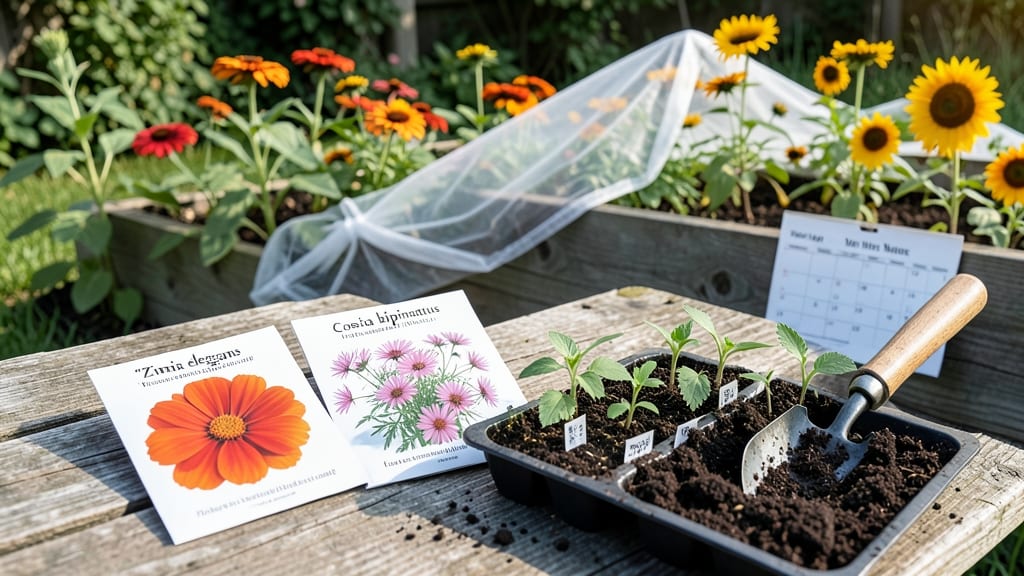
Planting flower seeds in Michigan means timing them perfectly between late April and mid-May — or risk losing your blooms to frost or summer heat before they even sprout.
Michigan gardeners know timing is everything — plant too early and frost will wipe out your delicate blooms, too late and summer heat arrives before flowers even sprout. Mastering the perfect planting window ensures vibrant annuals, hardy perennials, and showstopping blooms all season long.
Your USDA zone (5 or 6) determines the exact dates, but most Michigan regions have a 165-day frost-free window from mid-April to mid-October. Cool-season flowers like pansies thrive in early spring, while heat-lovers like zinnias need warm soil to germinate.
Below, I break down the best planting schedule by zone, variety, and pro tips to extend your season — so you can enjoy nonstop color from May through September without the guesswork.
Michigan flower seed planting deadlines by USDA hardiness zones (4-6)
Michigan’s USDA Zones 4-6 create distinct planting windows for flower seeds, where a single week can mean the difference between thriving blooms and frost-damaged seedlings.
In Zone 5a (northern Michigan), average last frost dates range from May 10-15, while Zone 6a (southern Michigan) sees frost-free conditions by April 25-May 5. These variations force gardeners to adjust timelines for cool-season flowers like pansies and warm-season favorites such as marigolds.
Timing isn’t just about frost—it’s about soil temperatures. Most flower seeds need soil at 50-60°F to germinate, which typically aligns with late April to early May in Michigan.
For Detroit (Zone 6a), this means starting petunia seeds indoors by March 15, while Traverse City (Zone 5b) gardeners should wait until April 1 for direct sowing. Understanding these micro-climate differences prevents costly mistakes.
Here’s the critical frost-free window breakdown for Michigan’s major cities, where 14 days after last frost marks the safest direct-sowing deadline for most annuals:
| Region & Zone | Last Frost Date | Safe Direct-Sowing Window | Cool-Season Flowers | Warm-Season Flowers |
|---|---|---|---|---|
| Detroit (Zone 6a) | April 25 - May 5 | May 10 - 20 | Pansies, Snapdragons (Mar 15 - Apr 15) | Marigolds, Zinnias (Apr 1 - May 10) |
| Grand Rapids (Zone 5b) | May 1 - 10 | May 15 - 25 | Sweet Alyssum, Calendula (Mar 20 - Apr 20) | Cosmos, Sunflowers (Apr 15 - May 15) |
| Traverse City (Zone 5a) | May 10 - 20 | May 25 - June 5 | Lobelia, Stock (Apr 1 - Apr 25) | Petunias, Impatiens (Apr 15 - May 20) |
| Michigan’s Fall Planting (Zones 4-6) | First Frost: Oct 10-20 | Aug 15 - Sep 15 | Alyssum, Dianthus (Aug 1 - Sep 1) | Cosmos, Bachelor’s Buttons (Aug 10 - Sep 10) |
For cool-season flowers, the key is sowing 4-6 weeks before last frost—this gives seedlings time to establish roots before summer heat arrives. Pansies and snapdragons thrive when planted in March or early April, while cosmos and zinnias (warm-season stars) should wait until soil warms to 60°F+, typically late April to early May.
Michigan’s fall planting window (August-September) offers a second chance for gardeners, especially for hardy annuals like cosmos and bachelor’s buttons, which germinate quickly in cooler soil. Seed packets often list days to germination—use this to calculate your last possible sowing date.
For example, cosmos seeds sprout in 7-14 days, so planting by August 15 ensures blooms before frost.
Pro tip: Use frost blankets to extend your spring window by 2-3 weeks for heat-loving flowers like petunias. Simply lay the blanket over seedlings after planting and remove during the day once temperatures rise above 50°F.
This trick lets you plant marigolds as early as mid-April in Zone 6a, shaving weeks off your waiting time for vibrant blooms.
Don’t overlook soil prep—Michigan’s clay-heavy soils benefit from compost amendments 2-3 weeks before planting. Aim for a pH of 6.0-7.0 for most flowers, and mix in perlite or sand to improve drainage. Warm-season flowers like sunflowers need well-draining soil to prevent root rot, while cool-season varieties tolerate heavier soils.
When planning your succession planting, stagger sowings every 2-3 weeks for continuous blooms. For instance, plant zinnias in early May, then again in mid-June to extend your color display into early fall.
This strategy works especially well for Detroit gardeners (Zone 6a), where the growing season stretches 165 frost-free days on average.
For perennials, timing shifts to early spring or fall. Plant coneflowers
Best flower seed planting schedule by variety: annuals vs. perennials
Michigan’s variable climate demands precise timing for flower seeds—whether you’re sowing cool-season annuals like snapdragons or heat-loving perennials such as black-eyed Susans. The key lies in balancing frost dates, soil temperatures, and each variety’s germination speed.
For example, cosmos seeds sprout in just 5–7 days at 70°F, while sunflowers need 10–14 days to emerge. Let’s break down the optimal planting windows for Michigan’s top performers, including whether to start indoors or direct-sow.
Annuals like zinnias and marigolds thrive when planted after the last frost (mid-April to early May in most of Michigan), but perennials such as coneflowers and bee balm can handle cooler spring soils. The trick?
Use indoor starting for delicate annuals (e.g., petunias) 6–8 weeks before your last frost date, while hardier varieties like cosmos can wait until late May for direct sowing. Below, we’ll map out the exact weeks-to-bloom and cold tolerance for each category to help you plan your garden calendar.
🌱 Numbered Highlights: Michigan Flower Seed Planting Timeline
- 🌱 Cool-Season Annuals (Direct-Sow): Snapdragons, Sweet Alyssum, Pansies – Plant 4–6 weeks before last frost (March 15–April 15). Germinates in 7–14 days at 60–70°F. Blooms in 8–10 weeks.
- 🌿 Warm-Season Annuals (Indoor Start): Zinnias, Sunflowers, Marigolds – Start indoors 6–8 weeks before last frost (late February–early March). Transplant after soil reaches 60°F (mid-May). Blooms in 60–90 days.
- 🌼 Perennials (Direct-Sow or Early Start): Coneflowers, Black-Eyed Susans, Lavender – Sow after last frost (late April–May) or start indoors in March. Germinates in 10–21 days at 65–75°F. First blooms in Year 2.
- 🌻 Late-Season Annuals (Fall Planting): Cosmos, Bachelor’s Buttons, Calendula – Direct-sow August 1–15 for fall color. Thrives in cool nights and blooms until frost. Germinates in 5–7 days at 70°F.
- ❄️ Frost-Tolerant Heroes: Sweet Peas, Larkspur, Violas – Can handle light frost after germination. Plant as early as March in protected areas. Blooms in 6–8 weeks.
For annuals, the indoor-starting method gives you a head start, especially for heat-sensitive varieties like impatiens.
Begin seeds in biodegradable pots under grow lights or on a sunny windowsill, then harden off seedlings for 7–10 days before transplanting. Perennials, on the other hand, often benefit from direct sowing once soil temperatures stabilize above 50°F, as their roots establish deeper and stronger outdoors.
For example, bee balm seeds germinate poorly when transplanted, so sow them outdoor in spring.
Don’t overlook fall planting—it’s a Michigan gardener’s secret weapon for longer bloom seasons. Seeds like cosmos and nasturtiums thrive when sown in early August, taking advantage of cool nights and warm days to produce vibrant blooms until the first frost.
These self-seeding annuals often resprout the following year, saving you time and effort. Just be sure to deadhead spent blooms to encourage more flowers and prevent unwanted self-sowing in unwanted areas.
Pro tip: Use a seedling heat mat for slow-to-germinate seeds like sunflowers or dahlias, which need consistent warmth (75–85°F) to break dormancy. Keep the soil moist but not soggy—a spray bottle works best—and cover trays with plastic wrap until germination to retain humidity.
Once seedlings emerge, thin them to 12–18 inches apart (depending on the variety) to avoid competition for nutrients and sunlight.
Remember, Michigan’s microclimates vary dramatically—urban Detroit may warm up faster than rural Traverse City. Always check your local frost dates and adjust your schedule accordingly. With this variety-specific timeline, you’ll enjoy continuous blooms from spring through frost, turning your garden into a year-round spectacle. 🌸