
Flowers
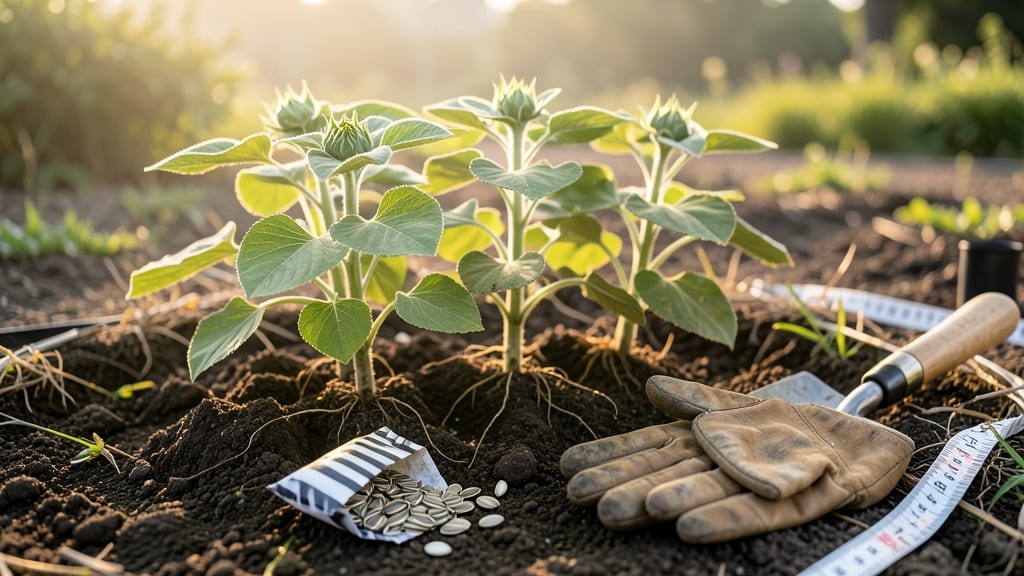
Plant sunflowers in Pennsylvania from mid-April to mid-June after the last frost, when soil temperatures hit 60°F or warmer for faster germination.
You’ve probably seen those towering 🌻 blooms by July and wondered how they got there so fast—only to miss your own planting window. The secret isn’t just the calendar; it’s the soil’s hidden warmth signal that tells seeds, "Now’s the time!"
Pennsylvania’s USDA zones 5b–7a mean frost dates vary wildly—Philadelphia’s last freeze might be weeks earlier than Pittsburgh’s. That’s why testing soil warmth (not just checking the forecast) is the game-changer for avoiding leggy, slow-starting plants.
Below, I’ll break down the exact soil temps to watch for, the best varieties for PA’s short vs. long seasons, and how to adjust your timeline if spring drags on. No more guessing—just fast, reliable blooms by summer.
Best planting months for sunflowers in Pennsylvania (soil temperature guide)
Pennsylvania’s sunflower planting window hinges on soil temperature, not just calendar dates. While most gardeners aim for April to June, your exact timing depends on your region’s last frost date and how quickly the soil warms.
In Pittsburgh (USDA Zone 6a), for example, you can plant as early as mid-April when soil hits 60°F, while Philadelphia (Zone 7a) may wait until late April due to cooler coastal breezes.
Rural areas in central PA (Zone 6b-7a) often see earlier soil warming, allowing March sowing under row covers if you’re brave. The key is soil temperature, not air temperature—sunflowers need consistent warmth to germinate.
A soil thermometer is your best friend here, as surface temps can be misleading. Without one, use the candle wax test (more on this in the next section) to gauge readiness.
Here’s the golden rule: Plant sunflowers when the soil reaches 60°F at 1-inch depth. This typically aligns with late April in Philadelphia, early May in Pittsburgh, and mid-April in rural areas.
For dwarf varieties like ‘Teddy Bear’, you can push the envelope slightly earlier, while giant varieties like ‘Russian Giant’ need the full growing season—so wait until mid-May in cooler zones.
If you’re planting in April, prioritize dwarf varieties like ‘Moulin Rouge’ or ‘Autumn Beauty’—they mature faster (in 60–70 days) and can handle cooler soils better than tall varieties.
For giant sunflowers, wait until mid-May to ensure they have enough time to reach their full 10–16-foot height before frost. In Philadelphia’s urban heat islands, you might even squeeze in a late July planting for fall blooms, though these will be smaller.
Watch for false springs, where warm air temps trick you into planting too early. If nighttime temps dip below 50°F, young sunflower seedlings can suffer. A black plastic mulch or row cover can add 2–4°F to soil temps, extending your planting window by 1–2 weeks
How to test soil warmth for perfect sunflower germination timing
Sunflower seeds need consistent warmth to sprout quickly, and Pennsylvania’s cool springs can delay germination if you plant too early. The key is testing soil temperature at the right depth and time—not just guessing based on air temperature.
I’ve learned that even a 10°F difference can mean the difference between fast sprouts and stubborn seeds.
Most gardeners rely on soil thermometers or simple DIY methods to check warmth before planting. For sunflowers, aim for 60°F or warmer at a depth of 2 inches—this is when seeds typically germinate within 7-14 days.
If your soil is still cold, waiting a few weeks can save you from disappointment. I’ll show you exactly how to test, including a no-tools-needed trick that works in a pinch.
⚡ Quick Soil Warmth Check: 3 Key Steps
- 🌡️ Test at 2 inches deep—sunflower seeds need warmth at their planting level, not just the surface.
- ☀️ Check mid-morning (after sun exposure) for the most accurate reading—soil warms fastest then.
- ⏳ Wait for 60°F+ consistently—if temps dip below 55°F at night, delay planting by 1-2 weeks.
💡 Pro Tip: In PA’s Zone 6b, soil often hits 60°F by mid-May—but rural areas warm faster than cities.
If you don’t have a soil thermometer, try the candle wax test: stick a candle in the ground for 10 minutes, then check the wax’s spread. If it melts 1 inch or more, your soil is warm enough.
This method is surprisingly accurate and costs nothing. I’ve used it for years when my thermometer “went on vacation” during planting season.
Depth matters more than you’d think. Sunflower seeds planted 1 inch deep (standard) need warmer soil than those sown ½ inch deep. Shallow planting can speed up germination in cool soil, but it also risks drying out.
For late springs (like we often get in Pittsburgh), I plant seeds ½ inch deep in early May and cover them with black plastic mulch to trap heat.
Adjust your planting date if tests show cold soil. In Philadelphia’s Zone 7a, you might plant in early April, while Erie’s Zone 5b may need to wait until late May. Always check a 7-day forecast—if nights stay below 50°F, delay planting to avoid seed rot.
I’ve lost entire trays of sunflower starts to cold soil, and it’s a heartbreaking lesson.
Once your soil passes the warmth test, plant seeds 1 inch deep and keep the soil moist (not soggy) until sprouts appear. With the right timing, you’ll see those first green shoots in as little as 5-7 days—a reward worth the wait! 🌱